


Planning a family vacation in Mexico sounds wonderful—until you start trying to figure out what everyone actually wants to do. One child wants to spend the entire day at the beach, another is fascinated by animals, and someone else is asking when they can try the local food. Meanwhile, you’re hoping to see a little history and culture without turning your vacation into a nonstop schedule of tours and activities.
That’s one reason I love the idea of day trips when traveling with kids. Instead of packing up the whole family and moving from hotel to hotel, you can choose one place or experience to explore and then return to the same comfortable home base at the end of the day. You get to see more of Mexico without having to unpack everyone’s suitcase every other morning.
A good family day trip doesn’t have to be packed from sunrise to bedtime, either. Maybe you spend the morning exploring an archaeological site, stop for lunch in a nearby town, and leave the afternoon open for swimming back at your hotel. Or perhaps you spend the day looking for wildlife, wandering through a colorful neighborhood, or enjoying the scenery in the countryside.
And honestly, that bit of flexibility can make a big difference when you’re traveling with kids. Having a familiar place to return to means you can still accommodate snacks, naps, tired feet, and early bedtimes. You can explore somewhere new without feeling like you have to squeeze every possible attraction into one day.
Here are some family-friendly Mexico day trips worth adding to your itinerary.
Why Day Trips Work So Well for Families
Day trips are one of the easiest ways to add variety to a Mexico vacation without constant hotel changes or long transfers with tired children. Parents can plan a single outing, enjoy a different side of the destination, and return in the evening without reshaping the whole trip. This can be especially important for neurodiverse kids, who need something familiar (like your hotel room) during a trip with lots of new sights, sounds and experiences.
This flexibility also matters when traveling with children of different ages. Some days may be right for a short cultural walk or a nearby town. Other days may allow for a longer drive to a lake, an archaeological site, or a countryside destination. With one home base, parents can adjust the schedule around energy levels, weather, and attention spans.
Day trips also give children a clearer way to understand travel. A focused outing centered on murals, traditional crafts, ancient ruins, or local neighborhoods gives them something specific to notice and remember. Instead of moving through a long list of attractions, they can connect with one place in a more meaningful way.
Start with the Kind of Experience Your Family Wants
Before choosing a day trip, think about the type of experience that will suit your family best. Some children enjoy hands-on activities (like my son), open-air markets, and local food. Others may be more interested in nature, animals, legends, music (like my teens), or old buildings. Choosing one main theme helps parents avoid an itinerary that feels scattered.
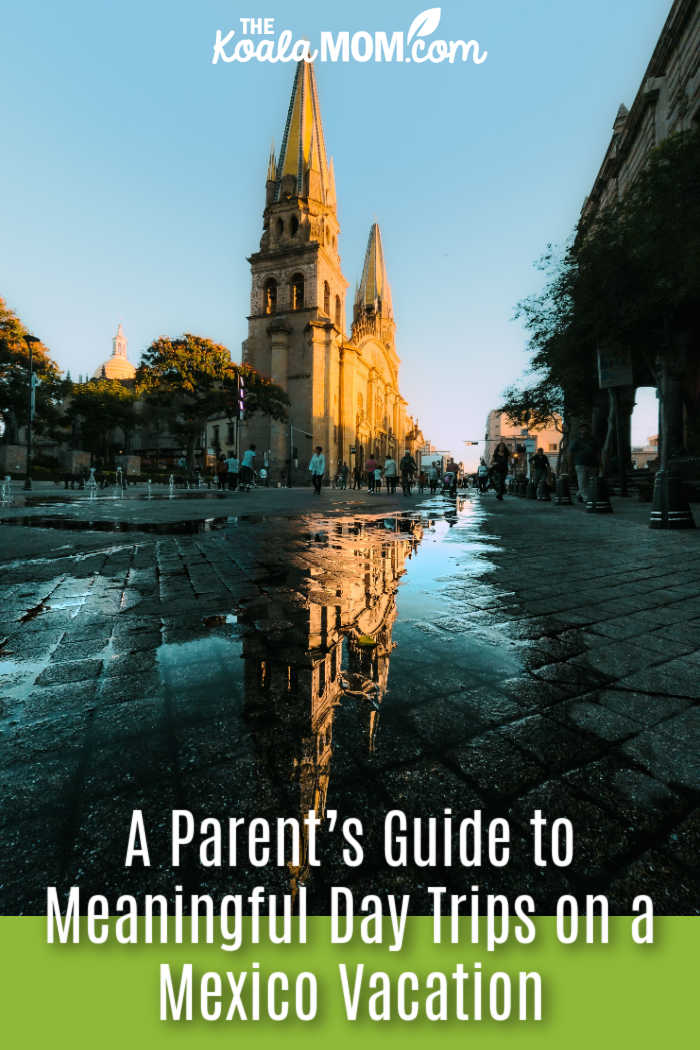
Guadalajara is a strong example because it offers several family-friendly directions within one region. A family could plan a day around creative neighborhoods, lakeside scenery, archaeological sites, murals, architecture, countryside landscapes, or traditional crafts. Resources that help parents explore Guadalajara day tours can make it easier to compare these options and choose an outing that fits the children’s ages, interests, and attention spans.
This kind of planning also helps prevent disappointment. Toddlers may need short walks, shade, and flexible stops. Older children may enjoy more history, conversation, and time to explore independently. When the day matches the family’s rhythm, the outing feels more rewarding and less forced.
Choose One Main Activity, Not Five
A meaningful day trip does not need a packed schedule. Families often enjoy the experience more when there is one main activity, with extra time for meals, photos, bathroom breaks, and unexpected stops. Too many attractions in one day can make the outing feel rushed, especially in heat, crowds, or unfamiliar streets.
Guadalajara works well for this style of planning because it is the capital of Jalisco, a state closely connected with mariachi, tequila, traditional food, historic plazas, and artisan towns. Families can choose one clear direction, such as a cultural walk, a lakeside escape, a food experience, or a visit to a nearby heritage site, instead of trying to combine everything at once.
A focused plan also gives children a stronger memory of the day. A boat ride, a local cooking experience, a market visit, a historic site, or a walk through a colorful neighborhood is easier to remember than several quick stops. Small additions, such as a snack break or a scenic viewpoint, can make the day feel complete without making it exhausting.
Make the Destination Feel Like a Story
Children often connect with a place more easily when it feels like a story rather than a list of facts. Before a day trip, parents can introduce one idea for the family to notice along the way. It might be the shape of old buildings, the colors used in local art, the foods people are known for, or the way a town grew around a lake, plaza, or trade route. Drop by your library to look up books set in Mexico so your kids can start learning about the locale even before you get there.
Around Guadalajara, many day trips give families a chance to connect scenery with history. A visit to the Guachimontones archaeological site can help children picture an earlier civilization through its circular pyramids, open spaces, and surrounding landscape. Instead of treating the stop as a quick photo opportunity, parents can ask what looks different from other ruins, why people may have chosen that location, and how the design of the site shaped daily life.
Story-led travel does not require a formal lesson. A few simple questions can turn the day into a shared conversation. Children might choose one detail they want to remember, compare a new food with something they eat at home, or imagine how people gathered in a historic plaza. These small moments can make the experience stay with them long after the trip.
Balance Learning with Kid-Friendly Pacing
A day trip can include history, culture, art, architecture, and nature without becoming too heavy for children. The key is to plan around realistic energy levels. Long museum visits, crowded streets, or extended walks in the sun can quickly turn an interesting outing into a difficult one.
Parents can make cultural stops easier by breaking the day into smaller parts. In Guadalajara, this might mean pairing a mural or architecture stop with a shaded plaza, a short walk through a historic district, or time to notice how older buildings are designed. Children may learn why public squares became gathering places, how murals were used to tell social stories, or how traditions appear in music, clothing, festivals, and craftwork.
Nature-based outings can offer equally clear lessons. A lakeside visit can lead to conversations about water, birds, habitats, and how communities grow around natural resources. A countryside stop may help children notice agave fields, mountain views, small-town plazas, or artisan workshops. These details give them a fuller picture of daily life beyond the busiest tourist areas.
Quiet pauses matter too. Children often need time to absorb what they are seeing, and parents need room to handle practical needs without rushing. Water, shade, comfortable shoes, and flexible timing can make the difference between a stressful outing and a day that feels enjoyable for everyone.
Think Beyond the Most Famous Tourist Stops
Some of the most meaningful family travel moments happen away from the first stop on every itinerary. Major landmarks can be worthwhile, but quieter places often give children more room to observe, ask questions, and feel part of the surroundings. A small plaza, a family-run workshop, a neighborhood market, or a peaceful viewpoint can leave a strong impression.
Around Guadalajara, families can look for experiences that feel local and personal. Tlaquepaque is known for colorful streets and galleries, but its quieter side streets, artisan courtyards, and small ceramic workshops can be especially valuable for children. They can watch how objects are shaped, painted, arranged, and sold, which shows culture as something people continue to create by hand.
Joining a tour hosted by a local can be a great way to learn more about the area–and to get some insider information. Because we’re a big family, and I have neurodiverse kids, I’ve often tried to book private tours for us. We’ve had some awesome tour guides who were able to customize their tour to my kids’ needs and interests, answer questions, and even give us tips about other activities and places once our tour was done.
A hidden but precious stop might also be a neighborhood chapel, old courtyard, or small community plaza where daily life is unfolding. Children may notice neighbors greeting one another, musicians practicing nearby, vendors setting up, or families resting in the shade. These simple scenes can reveal more about a place than a rushed visit to a famous landmark.
Pack for the Day, Not the Whole Vacation
A good day trip bag should make the outing easier without weighing everyone down. Parents do not need to carry everything from the hotel, but a few practical items can prevent small problems from taking over the day. Water, snacks, sun protection, wipes, hand sanitizer, a small first-aid kit, and a light layer are often enough for a comfortable outing.
The contents should match the setting. A historic center may require comfortable walking shoes and a hat. A lakeside town may call for extra sun protection and a change of clothes for younger children. A countryside outing may be easier with motion-sickness supplies, a small activity for the drive, and a backup snack in case lunch happens later than expected.
Parents can keep the routine simple by preparing one small family adventure bag before leaving for the day. When the essentials are already in one place, the family can spend more energy on the experience and less on last-minute searching.
Let Children Help Shape the Plan
Children are more likely to enjoy a day trip when they feel included in the decision. Parents can keep the choices simple by offering two or three realistic options. For example, the family might choose between a lakeside town, an artisan neighborhood, or a historic site instead of leaving the whole day open-ended.
This gives children a sense of ownership. A younger child may choose the place with more outdoor space, while an older child may be curious about ruins, murals, local legends, or traditional crafts. Even a small choice, such as picking the snack stop or deciding which plaza to explore first, can make the outing feel more personal.
Outings should be ongoing conversations with your children, too; just because you’ve decided to do something doesn’t mean that you can’t pivot when someone didn’t sleep well or the chosen destination is not what was expected. I’ve had to learn that checking in with my kids about their wants and needs during travel often helps prevent snarky, grumpy kids and lets everyone have more fun together.
In Guadalajara and the surrounding region, these choices can be especially varied. One child may be drawn to music and street life, another may want to see colorful buildings or handmade objects, and another may prefer open landscapes away from the city. When parents listen to those interests, the day becomes a shared family experience rather than a fixed schedule everyone has to follow.
Let the Day Feel Memorable, Not Perfect
The best family day trips rarely follow every plan exactly. A child may remember a quiet plaza more than a famous building, a conversation with a local artisan more than a long history explanation, or a small moment of laughter during the drive more than the main attraction. These details often become the stories families repeat later.
During a Mexico vacation, meaningful outings come from choosing experiences with care and leaving enough space to enjoy them. Guadalajara and the surrounding region offer many ways to do that, from cultural neighborhoods and historic sites to lakeside towns, countryside landscapes, and creative local traditions. Parents do not have to see everything to give their children a rich travel experience.
A thoughtful day trip gives children something to notice, ask about, and remember. When the pace is realistic and the plan fits the family, even one well-chosen outing can become one of the most valuable parts of the trip.
No Responses Yet