


Your body is constantly working to keep your cells healthy, but everyday life can put them under stress. Normal metabolic processes, air pollution, cigarette smoke, and exposure to ultraviolet (UV) rays can all contribute to the production of free radicals. These are unstable molecules that can damage cells when too many build up in the body.
This imbalance is known as oxidative stress, and over time, it has been linked to cellular damage and certain chronic health conditions. Fortunately, your body has its own defense system: antioxidants. Some are produced naturally, while others come from the foods you eat. They help neutralize free radicals and protect cells from oxidative damage.
The good news? You don’t need an elaborate supplement routine to support your body’s antioxidant defenses. A varied diet rich in fruits, vegetables, nuts, and other plant foods is a great place to start. Let’s look at eight common antioxidants, what they do, and some easy ways to include more of them in your daily routine.
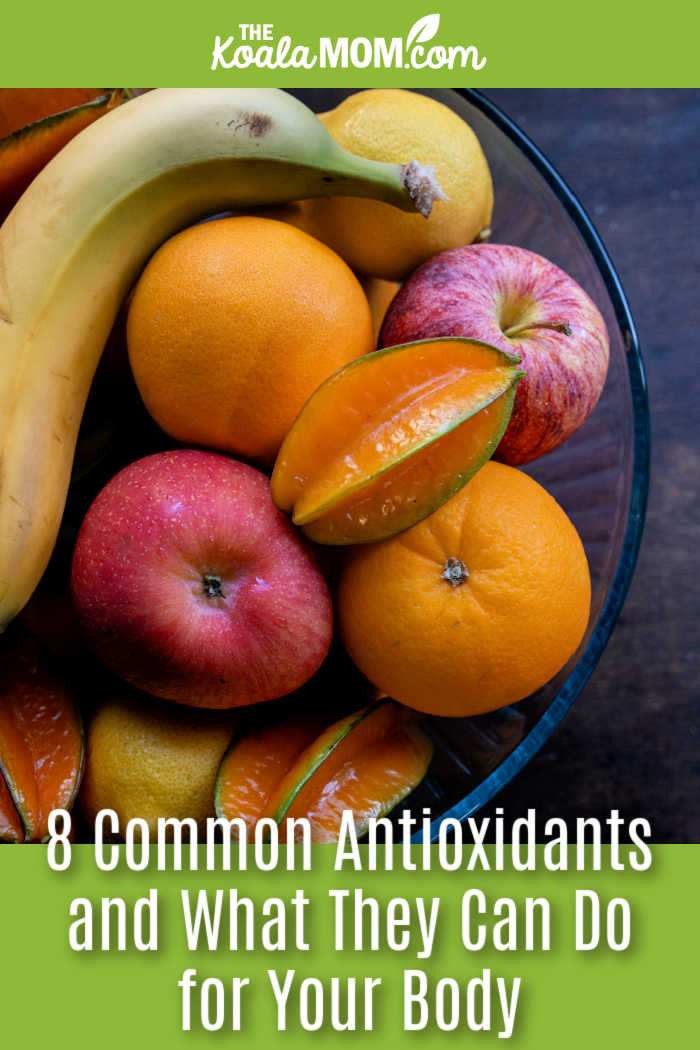
Vitamin C
Vitamin C is probably one of the best-known antioxidants, and for good reason! This water-soluble vitamin helps protect cells from oxidative damage while supporting normal immune function.
It also has several other important jobs. Your body needs vitamin C to produce collagen, a protein that helps keep your skin, blood vessels, and connective tissues healthy. It also supports wound healing and helps your body absorb iron from plant-based foods.
You can find vitamin C in plenty of everyday foods, including oranges, calamansi, strawberries, kiwi, bell peppers, and broccoli.
Practical tip: Add sliced strawberries or orange segments to your breakfast, enjoy bell pepper strips with hummus, or squeeze fresh lemon juice over vegetables. Since vitamin C can be reduced by heat, eating some fruits and vegetables raw is an easy way to get more of it.
Glutathione
Glutathione is sometimes called the body’s master antioxidant because it plays such an important role in protecting cells from oxidative stress. Unlike many antioxidants you get directly from food, your body actually makes its own glutathione using three amino acids: glutamate, cysteine, and glycine.
Glutathione helps neutralize free radicals and supports the recycling of other antioxidants, including vitamins C and E. It also plays a role in normal liver function, helping the body process certain substances so they can be eliminated.
So, how can you support your body’s natural glutathione production? Start with adequate protein. Foods such as eggs, fish, poultry, beans, and other protein-rich options provide the amino acids your body needs. Vegetables such as broccoli, garlic, and asparagus also contain compounds and nutrients involved in supporting glutathione metabolism.
A glutathione supplement is another option some people explore. Available as capsules, tablets, and liquids, these products have been studied for their potential to increase glutathione levels in the body. Some research suggests that oral supplementation can improve certain measures of glutathione status, although the effects and potential health benefits vary.
Practical tip: You don’t need to eat a special diet to support glutathione production. Focus on getting enough protein throughout the day and adding a variety of vegetables to your meals. Think scrambled eggs with spinach for breakfast or broccoli alongside your dinner.
Vitamin E
Vitamin E is another important antioxidant, but it works a little differently from vitamin C. Because it’s fat-soluble, it helps protect the fatty outer membranes of your cells from oxidative damage.
Vitamin E also contributes to normal immune function and overall cellular health.
Some of the best food sources include almonds, sunflower seeds, avocados, spinach, and vegetable oils.
Practical tip: Keep a small container of almonds or sunflower seeds handy for snacking. You can also sprinkle seeds over salads, add avocado to sandwiches, or use a little sunflower oil when preparing vegetables. Since vitamin E is fat-soluble, eating it as part of a meal that contains some healthy fat can help your body absorb it.
Beta-Carotene
Ever wonder what gives carrots, pumpkins, and sweet potatoes their bright orange color? One of the answers is beta-carotene!
This plant pigment belongs to a group of antioxidants called carotenoids. Your body can convert beta-carotene into vitamin A as needed, helping support normal vision, immune function, and healthy skin. You can find beta-carotene in carrots, sweet potatoes, pumpkin, butternut squash, and leafy greens such as spinach and kale.
Practical tip: Add roasted carrots or sweet potatoes to your dinner rotation, blend pumpkin into soups, or toss a handful of spinach into your morning omelet. Cooking some beta-carotene-rich vegetables and eating them with a little oil can actually help your body absorb more of this nutrient.
Lycopene
Lycopene is another carotenoid, best known for giving tomatoes, watermelon, and pink grapefruit their red or pink color.
Like other carotenoids, lycopene has antioxidant properties that help protect cells from oxidative stress. Researchers have also studied its possible connections to cardiovascular and prostate health, although more research is needed to establish whether increasing lycopene intake directly reduces the risk of specific diseases.
Tomatoes are one of the richest dietary sources of lycopene, but you can also find it in watermelon, pink grapefruit, and guava.
Practical tip: Here’s a fun fact: cooking tomatoes can actually make their lycopene easier for your body to absorb! Enjoy tomato sauce, homemade tomato soup, or roasted tomatoes. Adding a little olive oil can help with absorption, too.
Anthocyanins
If you’ve ever enjoyed a bowl of blueberries or a handful of purple grapes, you’ve already eaten anthocyanins. These plant compounds belong to the flavonoid family and give many fruits and vegetables their beautiful red, blue, and purple colors.
Anthocyanins are known for their antioxidant properties, and researchers are studying their potential benefits for blood vessel function, cardiovascular health, and inflammation. Some good sources include blueberries, blackberries, raspberries, purple grapes, red cabbage, and eggplant skin.
Practical tip: Try adding a handful of berries to your breakfast, tossing shredded red cabbage into a salad, or choosing purple grapes for an afternoon snack. Frozen berries are just as convenient as fresh ones and make a great addition to smoothies and oatmeal.
Coenzyme Q10
Coenzyme Q10, commonly known as CoQ10, is a compound your body naturally produces. It’s found in nearly every cell and plays an important role in the mitochondria, the parts of your cells responsible for producing energy.
CoQ10 also acts as an antioxidant, helping protect cells from oxidative damage.
Although your body makes its own CoQ10, you can also get small amounts through food. Sources include fatty fish, beef, chicken, and nuts. Your natural CoQ10 levels can change with age and certain health conditions. Some medications, including statins, may also lower CoQ10 levels.
Practical tip: Include fish such as salmon or sardines in your weekly meal plan, or add nuts to your snacks and salads. If you’re considering a CoQ10 supplement, especially if you take prescription medication, talk with your healthcare provider first.
Catechins
Catechins are natural plant compounds in the polyphenol family. They’re found in foods and drinks such as green tea, black tea, cocoa, and apples. One of the most researched catechins is epigallocatechin gallate (EGCG), which is particularly abundant in green tea. Catechins have antioxidant properties, and researchers are exploring their potential effects on cardiovascular health, blood vessel function, and metabolism.
Practical tip: A cup of green tea is an easy way to add catechins to your day. You can also enjoy unsweetened tea with meals or choose dark chocolate with a high cocoa content for an occasional treat. Just remember that green tea extract supplements are much more concentrated than brewed tea and may carry different risks, including potential liver effects.

Supporting Long-Term Health through Everyday Choices
With so many antioxidants to choose from, it’s tempting to focus on getting more of one particular nutrient. But your body benefits from a variety of antioxidants working together, rather than relying on a single supplement or superfood.
Fortunately, supporting your body’s natural defenses doesn’t have to be complicated. A few everyday habits can make a difference:
- Eat a rainbow of fruits and vegetables. Different colors often indicate different beneficial plant compounds. Try adding at least one new color to your plate each day.
- Choose whole foods regularly. Berries, leafy greens, beans, nuts, seeds, and whole grains provide a combination of antioxidants, vitamins, minerals, and fiber.
- Include healthy fats. Olive oil, avocado, nuts, and seeds help your body absorb fat-soluble antioxidants such as vitamins E and beta-carotene.
- Protect your skin from the sun. Antioxidants aren’t a substitute for sunscreen, protective clothing, or seeking shade when UV levels are high.
- Avoid smoking and limit exposure to pollution where possible. These environmental factors can contribute to oxidative stress.
- Make sleep and exercise priorities. Regular physical activity and adequate sleep support your body’s overall health and natural repair processes.
What about supplements? While they can be useful in certain situations, more isn’t always better. High doses of individual antioxidants may not provide additional benefits and can sometimes cause harm. Some supplements can also interact with prescription medications.
If you’re considering adding an antioxidant supplement to your routine, talk with a healthcare professional about whether it’s appropriate for you and what dosage makes sense.
Ultimately, the best approach is to give your body a steady supply of the nutrients it needs. A colorful, varied diet and healthy everyday habits provide a much stronger foundation for long-term cellular health than any single antioxidant can offer.
No Responses Yet