
Family adventures don’t always unfold as planned. A short walk can turn into an afternoon at the playground. A sunny picnic can be interrupted by rain. A child who insists they aren’t hungry may suddenly need a snack five minutes after leaving home.
A well-packed family adventure bag cannot prevent every scraped knee, soggy sock, or change of plans. It can, however, help parents respond calmly without carrying half the house.
The goal is not to prepare for every imaginable situation. It is to pack a practical collection of items based on where you are going, how long you will be away, and what your children are likely to need. With a little organization, one bag can support everything from neighborhood walks and beach trips to family hikes and day-long road trips.
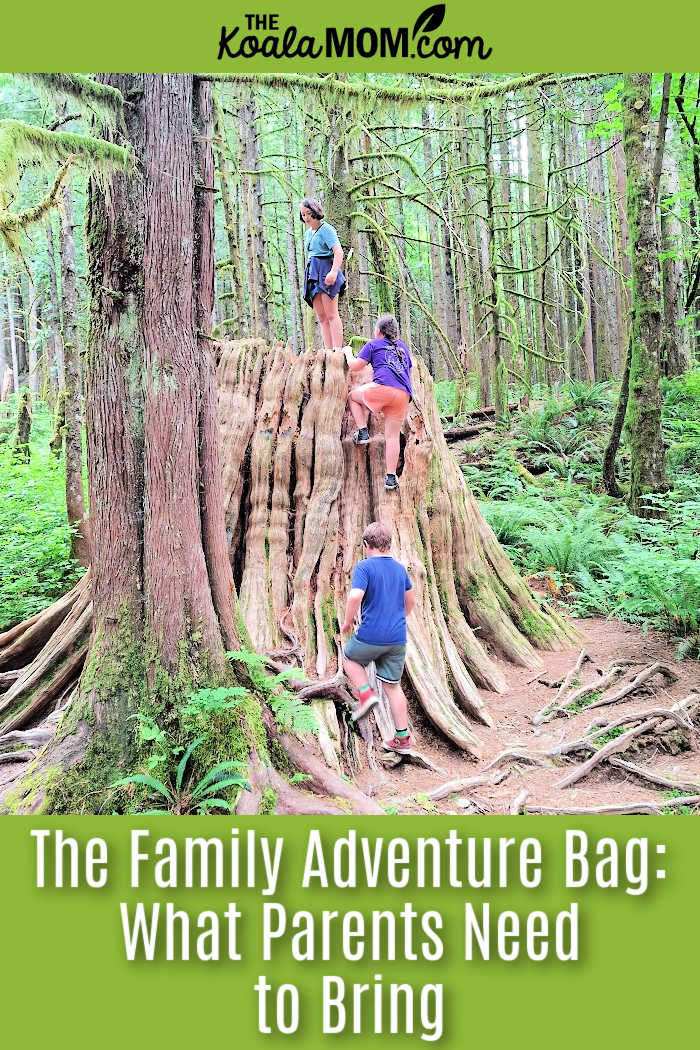
Start with the Adventure, Not the Packing List
Before filling a bag, take a moment to think through the outing.
Consider the expected weather, length of the trip, distance from your vehicle and access to food, water, shelter, and washrooms. A morning at an urban park requires less preparation than a hike where the family will be several miles from help.
The National Park Service recommends adjusting outdoor supplies to the activity and conditions. Its well-known “Ten Essentials” cover navigation, sun protection, insulation, illumination, first aid, fire, repair tools, food, water, and emergency shelter. The agency describes these as items that can help during “minor injuries, sudden weather changes, or unexpected emergencies.”
Parents do not need to carry a wilderness-level kit to the library or local splash pad. Still, the same principle applies: pack for what could reasonably happen, not only for the ideal version of the day.
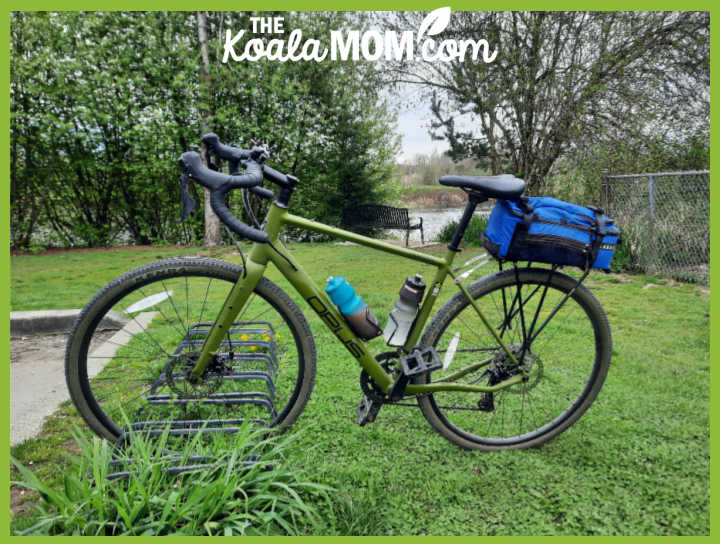
For me, this means having several different “adventure bags.” I have one family hiking backpack that has most of the essentials needed, so that when we go for a hike, I just need to add snacks and water. I have a rack bag on the back of my bike that carries everything we could possibly need while out biking. I have a different bag that I grab for a trip to the beach or swimming pool, etc.
Choose a Bag That Works for Your Family
The right bag is comfortable, easy to organize, and suited to the outing. A backpack usually leaves both hands free, which matters when holding a toddler’s hand, pushing a stroller, or helping a child over a slippery section of trail.
Look for adjustable straps, secure closures, and compartments that make frequently used items easy to reach. Families comparing different sizes and layouts can browse practical options from Ozzi Gear and other retailers before choosing a bag that suits their usual outings.
Whichever bag you use, avoid filling every available pocket simply because the space is there. A bag that becomes uncomfortable after 20 minutes is unlikely to be useful on a longer day out.
Packing smaller items in separate pouches can also save time. Consider having one pouch for first aid, another for snacks, and a waterproof bag for wet or dirty clothing. Parents can then find what they need without emptying the entire backpack onto a park bench.
Bring Enough Water and a Few Reliable Snacks
Water should be one of the first things packed, particularly during warm weather or active outings. The exact amount will depend on the weather, activity level, duration, and whether safe drinking water is available at the destination. I love the fact that more and more places around the lower mainland are installing water bottle refill stations, but this is not always a guarantee.
Reusable bottles are often easier to track than several disposable ones. Label each child’s bottle and keep it within reach so they can drink regularly rather than waiting until they feel very thirsty. (This also helps you know how much water each child has had during the day, so that you can encourage someone to finish their bottle to prevent dehydration or heat exhaustion.)
Pack snacks that travel well and are easy to distribute. Crackers, fruit, sandwiches, cheese, granola bars, and cut vegetables can work, depending on your children’s ages and dietary needs. Avoid relying entirely on foods that melt, crush easily, or require complicated preparation. Include at least one snack you know each child will eat. An adventure is not the ideal time to discover that nobody likes the new protein bar you bought.
For longer walks or remote outings, carry a little more food than you expect to need. Delays happen, and an extra snack can make the journey home much more pleasant.
Prepare for Sun, Rain, and Changing Temperatures
Children can become uncomfortable quickly when the weather changes, so pack layers rather than one bulky item. A lightweight sweater, a rain shell, spare socks, and an extra outfit for younger children can cover many common problems.
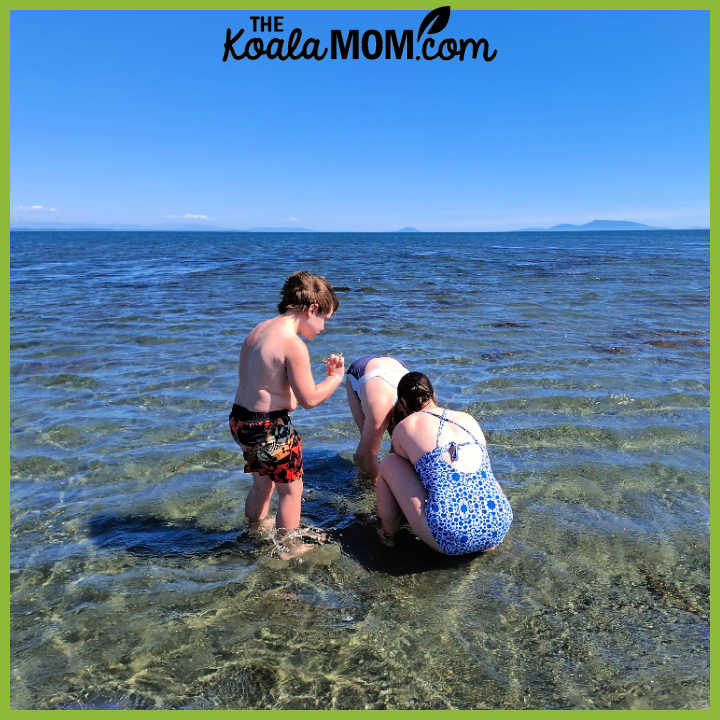
Sun protection deserves a permanent place in the bag. The Centers for Disease Control and Prevention recommends combining shade, protective clothing, and sunscreen rather than relying on only one method. It also notes that protection remains important when people are in the shade or on overcast days.
Pack hats and sunglasses where appropriate (or tolerated by sensory kids), and a broad-spectrum sunscreen suitable for your family. The American Academy of Pediatrics advises that a broad-spectrum sunscreen protects against both UVA and UVB rays. Follow the product directions for application and reapplication.
Cold or windy weather requires its own adjustments. Gloves, warm hats, and dry layers may be necessary even when the outing begins in mild conditions. Checking the forecast helps, but families should also prepare for small temperature shifts, especially near water or at higher elevations. After getting very cold on several bike rides, I’ve learned that it’s better to have that extra layer and not need than to need it and not have it.
Carry a Compact First-Aid Kit
Minor injuries are part of active family life. A basic kit allows parents to deal with common cuts, blisters, splinters, and insect bites until further help is available. I keep one in my purse, bike bag, hiking bag, and in my vehicle.
A compact family kit should include:
- adhesive bandages in several sizes
- sterile gauze and medical tape
- antiseptic wipes
- tweezers
- disposable gloves
- cold pack
- any prescribed emergency medication
- simple first-aid guide
The American Red Cross offers family kits designed to address common problems such as cuts, scrapes, swelling, sprains, and strains. Parents should tailor their supplies to their family rather than assuming a pre-packed kit contains everything they require.
Check expiration dates regularly and replace anything that has been used. For example, we use up band-aids and antiseptic wipes on a regular basis so I keep a box of these at home and regularly restock all the first aid kids. Medication should remain in its original packaging and be stored according to its instructions.
A first-aid kit is most useful when the adult carrying it knows how to use the contents. Taking a recognized first-aid course can give parents greater confidence during both everyday mishaps and more serious situations. I’ve also had my teens take a first aid course around age 13 (when they start babysitting) so that they can help with emergencies too.
Add Hygiene and Cleanup Supplies
A few cleanup items can make messy moments easier to manage.
Pack hand sanitizer for times when soap and water are unavailable, along with tissues and a small number of wipes. A roll of waste bags is useful for rubbish, muddy shoes, wet swimsuits, soiled clothing, or emergency diaper changes.
Families with babies or toddlers will need diapers, changing supplies, and more spare clothing. Older children may still benefit from clean socks or a fresh shirt after water play, spills, or unexpected rain.
A small, quick-drying towel or cloth can serve several purposes. It can wipe a bench, dry wet hands, clean a spill, or provide a clean surface for a snack.
Try to avoid overpacking disposable items. Bring a sensible quantity based on the length of the outing, then restock the bag when you return home.
Keep Navigation and Communication in Mind
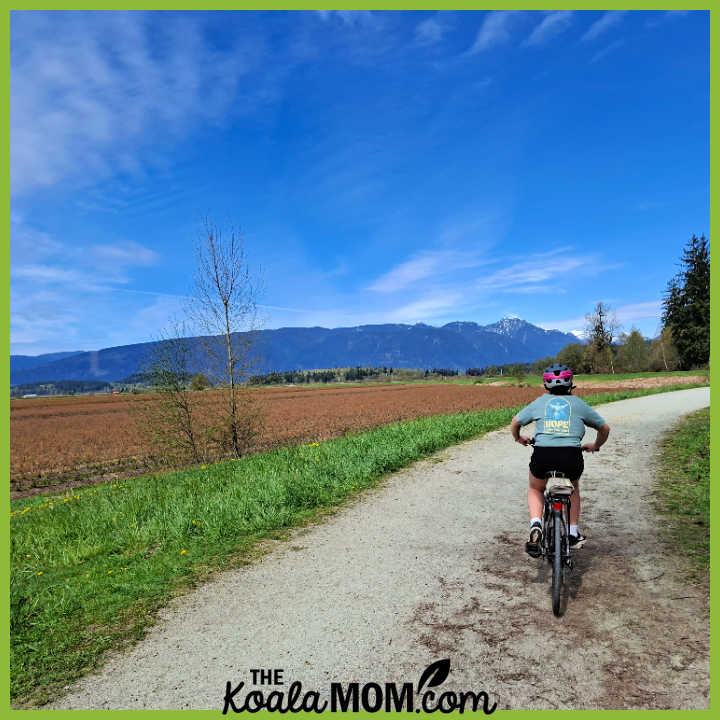
Even familiar destinations can present problems when trails close, phone batteries run low or family members become separated.
Carry a charged phone, but do not depend on it as your only source of information in remote areas (and remember that any app using GPS will drain the battery faster). Download maps before leaving, when mobile coverage may be unreliable. On longer outdoor trips, carry an appropriate paper map and know how to read it.
Tell someone where you are going and when you expect to return if the family will be hiking or visiting a less populated area. When you return from the hike, let that person know you are back. If they don’t hear from you by a certain time, they should be prepared to start putting in calls for help.
Children should also know what to do if they lose sight of their parents. A simple family rule like “stop moving, stay visible, and call for help” can be easier to remember than a complicated set of instructions. We often play “marco polo” on the trail if our group starts to get spread out; my kids know that if I yell “marco,” they need to respond with “polo,” and if I can’t hear someone’s voice, then we’ll be gathering up to make sure we’re all there.
A small power bank and charging cable are useful on longer days. Keep emergency contact information somewhere accessible in case another adult needs to assist your child.
Give Children a Role
Packing can become part of the adventure rather than another parental chore.
Older children can carry a small backpack containing a water bottle, a snack and a light layer. Younger children can choose a comfort item or help count the snacks. Giving children age-appropriate responsibility may help them understand that outdoor trips require planning and cooperation.
Parents should still check every bag before leaving. A child’s idea of an important hiking supply may consist of three toy cars and a sparkly rock.
Keep heavier safety items in the adult’s bag, and make sure anything a child carries is light enough to remain comfortable for the entire outing.
Create a Simple Reset Routine
The most useful adventure bag is one that is ready when the family needs it.
After each trip, remove rubbish, dry wet items, and replace used supplies. Wash bottles and food containers rather than leaving them in the bag until the next outing. Check the first-aid pouch, recharge the power bank, and return hats or rainwear to their usual places.
A short reset prevents unpleasant surprises and makes spontaneous outings much easier. Some families also keep a small checklist inside the bag so that different adults can pack it consistently.


A family adventure bag does not need to contain a solution for every possible problem. It needs to cover the most likely needs while remaining comfortable enough to carry.
Water, snacks, weather protection, basic first aid, cleanup supplies, and communication tools provide a strong starting point. From there, parents can adjust the contents to suit their children, destination, and plans.
Thoughtful packing leaves families with more time to concentrate on the reason they went out in the first place: walking together, discovering somewhere new, and enjoying the small moments that become family memories.
References
American Academy of Pediatrics. “Sun Safety: Information for Parents About Sunburn and Sunscreen.” HealthyChildren.org.
American Red Cross. “Family First Aid Kit.” American Red Cross.
Centers for Disease Control and Prevention. “Sun Safety Facts.” CDC.
National Park Service. “Ten Essentials.” U.S. Department of the Interior.
No Responses Yet