


Motherhood can be deeply meaningful, but it can also stretch a woman’s time, energy, and sense of self. Between feeding schedules, school runs, work responsibilities, household tasks, and emotional caregiving, personal well-being can easily become an afterthought.
Finding balance does not mean doing everything perfectly. It means creating a life where your needs have a place alongside everything else that matters. And for some of us, who were given faith-based advice that tells us to put our husbands and our kids first all the time, creating such a life can mean re-examining not just our time but also our beliefs about our self-worth and priorities.
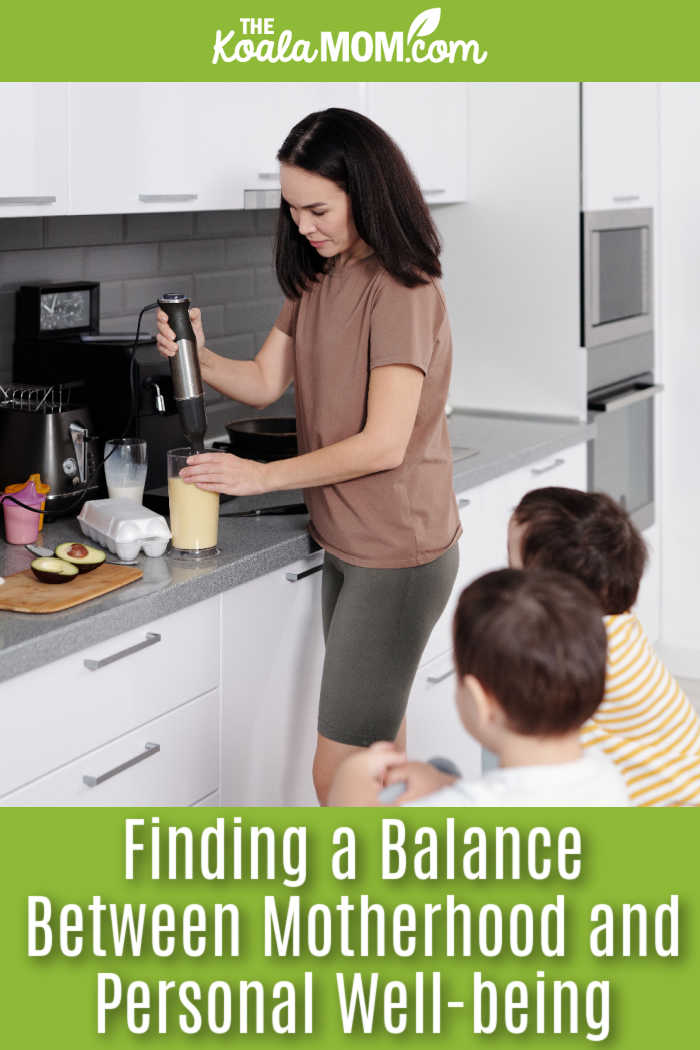
The most sustainable approach is to find small ways to look after yourself that feel realistic for your daily routine. That might mean making time for movement with your kids or spouse, keeping nourishing foods within easy reach for everyone, planning a few meals ahead, or adding supergreens to a morning smoothie when you want a convenient way to support your nutrition.
These choices may seem simple, but together they can create a stronger foundation for well-being. Loving yourself in these small ways can enable you to better love those around you. Looking after yourself is not another responsibility to add to the list; it is part of having the energy and resilience to show up for the people you love.
Redefine What Balance Means
Many moms imagine balance as an equal division of time between children, work, relationships, and themselves. And there are plenty of Instagram memes and reels about this, joking that moms can have only a clean house and happy kids but not look nice, or any other combination of two out of three options.
In reality, some seasons will demand more from you than others. A newborn, a sick child, a demanding job, or a major life change can temporarily shift your priorities. There may be times when the house is not cleaned weekly because you are caring for a new baby. There may be times when you are eating more take-out or simple meals because of a move or an illness.
A better definition of balance is flexibility with intention. Instead of asking, “Am I giving everything equal attention?” ask, “Am I regularly making space for what helps me function, recover, and feel like myself?” This shift removes the pressure to measure every day perfectly and encourages you to focus on what is sustainable.
Protect Small Pockets of Time
Personal well-being does not always require long spa days, silent retreats, or hours at the gym (although those are great if you can fit them in annually or monthly). Many moms need smaller, more practical options, because one silent retreat a year is not enough to recover from the other 362 days of listening to the kids yell, “Mom! Mom! Mom!”
Ten minutes of stretching, a quiet cup of coffee, a short walk, journaling before bed, or listening to music alone in the car can all help restore a sense of calm. Kids can learn that if Mom is sitting in a specific chair, drinking from a specific cup, or holding her rosary, she isn’t to be bothered for ten minutes.
The key is to treat these moments as necessary, not optional. Put them on the calendar when possible. Communicate them to your partner, family, or children. Even young children can learn that parents sometimes need a few minutes to breathe, reset, or finish a thought.
Don’t feel guilty for taking time away from your kids; rather, remind yourself that you are setting an example of healthy self-care for them. If you are eating healthy, staying active, and making time to de-stress, your kids will learn those habits too—and that will benefit them long into adulthood!
Build a Supportive Village
Moms are often told they should be able to manage everything, but that expectation is both unrealistic and unhealthy. More and more studies are showing that moms need other moms. We were not meant to do life alone, and our kids will also benefit from having other supportive adults in their lives.
As a homeschool mom, I’ve often fallen into the trap of believing that I have to be everything to my kids. As they’ve gotten older, I’ve come the realization that I cannot do so. I’ve helped find other teachers and supports for them, both at their schools and in our churches and community, and I’ve grown to deeply appreciate those who mentor and support my kids in ways I cannot.
Support is a necessary part of a balanced life, not a luxury. This support might come from relatives, friends, neighbors, or parent groups. It might be an “auntie” or “grandma” at church or an awesome daycare provider or babysitter.
Asking for help can feel uncomfortable, especially if you are used to being the person others rely on. Start with specific requests: “Can you watch the baby for 30 minutes?” or “Could you handle dinner on Tuesdays?” Clear requests are easier for others to respond to and can prevent resentment from building.
Another way that moms can support one another is to exchange childcare or to get out together for self-care. For a time after my third was born, I met another mom once a week (in the evening while our husbands watched our kids) to go for a swim. Knowing that she was at the pool to swim with me kept me accountable to get out the door, even if the kids were a bit grumpy or dinner was a bit late.
Caring for Your Body without Perfectionism
Physical well-being plays a major role in emotional resilience. Sleep, nourishing meals, hydration, movement, and medical checkups all affect mood, patience, and energy. However, motherhood often makes routines unpredictable, so perfectionism can quickly lead to discouragement.
Instead of aiming for an ideal wellness routine, focus on what is possible. If a full workout is not realistic, try a walk around the block. If cooking from scratch is overwhelming, choose simple balanced meals. If sleep is interrupted, rest when you can and lower nonessential expectations. Small choices, repeated often, can make a meaningful difference.
It’s also worth noticing when something isn’t working and looking for solutions. Don’t completely give up something because it cannot be perfect. For example, my children didn’t sleep very well as babies and toddlers. For a while, I just went along with their random naps and sleep habits. Then I realized that this needed to change so we could all sleep better, and I deliberately took small steps towards better sleep for all of us.
Making Room for Identity Beyond Motherhood
Being a mother may be one of the most important parts of your life, but it doesn’t have to be your entire identity. Hobbies, friendships, career goals, creativity, learning, and personal dreams still matter. Staying connected to these parts of yourself can reduce burnout and increase fulfillment.
Children can benefit from seeing their mothers set boundaries, pursue interests, and care for their own well-being. It teaches them that love and self-respect can exist together. It also teaches them that motherhood is a worthwhile and valuable occupation, unlike the annual “exhausted Mom” Halloween costume that everyone laughs at.
Choosing Progress Over Guilt
Guilt often appears when mothers take time for themselves. Yet constant self-sacrifice is not the same as good parenting. A depleted mother may find it harder to be patient and emotionally available.
Finding a better balance between motherhood and personal well-being is an ongoing practice. Some days will feel smooth while others will feel chaotic. What matters is returning to the belief that your needs are valid. Making small, steady adjustments will help you create a healthier life for yourself and a more grounded environment for your family.
No Responses Yet