


The first cold morning of the year often reveals how prepared a house really is for winter. A window that seemed perfectly fine in September may suddenly let in a noticeable draft, while a slow drain or a loose roof shingle can become a bigger problem once rain, frost, and snow arrive.
Preparing the home for winter does not necessarily mean making major changes. Often, it comes down to noticing small issues early and taking care of them before colder weather makes it more difficult to repair. Checking the roof, heating system, plumbing, and outdoor areas can make the season much more comfortable.
Start with the Parts of the House You Rarely Notice
Most homeowners focus on the rooms they use every day, but winter preparation should also include less visible areas. The attic, basement, crawl space, and utility rooms can reveal problems that are easy to overlook during warmer months.
Check the attic for damp insulation, signs of moisture, or gaps around vents. If you notice water stains or a musty smell, investigate the source before it develops into a bigger problem. In the basement, look for foundation cracks, water marks, and areas where moisture tends to collect after heavy rain.
Checking that rainwater from downspouts is not directed to the foundation is also advisable. Such a drainage problem may become a source of trouble when the weather starts changing.
Give the Roof and Gutters Some Attention
The roof is exposed to rain, wind, falling branches, and, in colder regions, snow and ice. Before winter arrives, look for missing shingles, damaged flashing, loose panels, and signs of any previous leaks.
A little attention to the roof before winter can go a long way toward keeping the rest of the house comfortable and protected. Check for loose panels, worn sealant, and areas around fasteners where moisture might get in. Metal roofs are generally durable, but occasional maintenance helps them perform well over time. If an inspection reveals anything that needs attention, timely metal roof repairs can help preserve the roof’s condition and provide homeowners with greater peace of mind throughout the colder months.
Gutters also need a thorough cleaning. Leaves and twigs can block water flow, allowing moisture to collect and freeze. Clearing debris, check that the gutters are securely attached, and make sure downspouts carry water away from the house.
Make Sure Your Heating System Is Ready
A heating system that works perfectly in autumn might struggle once it has to run for several hours every day. Rather than waiting for the first freezing night, check that everything is working properly beforehand.
Replace or clean furnace filters according to the manufacturer’s recommendations. Make sure vents are not blocked by furniture or curtains, and pay attention to rooms that take unusually long to warm up.
If your home has radiators, check whether they need bleeding to release trapped air. It is also a good idea to test the thermostat and arrange routine heating maintenance if the system has not been serviced recently.
For homes with fireplaces or wood-burning stoves, have the chimney and flue inspected and cleaned when necessary. Creosote buildup can increase the risk of chimney fires, so this is one task worth taking seriously.
Keep Cold Air from Getting Inside
Small gaps around windows and doors can make a noticeable difference once temperatures drop. Weatherstripping and caulking are simple ways to reduce drafts, but insulation also plays an important role in keeping indoor temperatures steady. Homeowners can learn more about whole-house weatherization, including insulation, air sealing, and heating system improvements.
Weatherstripping can help seal gaps around doors and windows, while caulk is useful for stationary cracks. Door sweeps are another simple option for preventing cold air from entering underneath exterior doors.
Don’t overlook less obvious openings around plumbing pipes, cable entries, and dryer vents. Seal gaps with suitable materials without blocking necessary ventilation.
Heavy curtains can also help make bedrooms and living spaces more comfortable. Open them during sunny afternoons to let in natural warmth, then close them after sunset to reduce heat loss.
Protect Pipes before the First Freeze
Frozen pipes can cause considerable damage. When water freezes inside a pipe, it expands and can eventually cause the pipe to crack or burst.
Pay particular attention to plumbing in garages, basements, attics, and other unheated spaces. Insulating exposed pipes with foam sleeves can provide additional protection.
Before winter, disconnect garden hoses and drain outdoor faucets where possible. If you have an irrigation system, arrange to have it winterized. During particularly cold nights, keeping the indoor temperature reasonably consistent can also help prevent pipes from freezing.
If you plan to travel during winter, avoid switching the heating off completely. It is also useful to know where the main water shutoff valve is located in case a pipe bursts while you are away.
Prepare the Yard and Outdoor Areas
Winter preparation should extend beyond the house itself. Start by trimming weak or dead branches that could fall during strong winds or under the weight of snow. Trees growing close to the roof, garage, or power lines deserve extra attention.
Store outdoor furniture, cushions, garden tools, and decorations in a shed or garage. Larger items that cannot be moved should be covered and secured properly.
Check driveways, steps, and walkways for cracks or uneven surfaces. Water can enter small openings, freeze, and gradually make existing damage worse. Taking care of these areas beforehand can also reduce the risk of slips and falls.
Keep a snow shovel, ice scraper, and suitable ice melt somewhere accessible. It is much easier to find these things before the first snowfall than during a winter storm.
Put Together a Small Winter Emergency Kit
Even a well-maintained home can experience unexpected problems during winter. Severe storms may cause power outages or interrupt essential services, so having basic supplies ready is worthwhile. Following winter storm preparedness guidance can help homeowners prepare their properties with proper insulation, weatherstripping, and working smoke and carbon monoxide detectors.
A household emergency kit should include:
- flashlights and spare batteries
- bottled water and nonperishable food
- a first-aid kit and essential medications
- warm blankets and extra clothing
- portable phone chargers
- a battery-powered radio.
Check smoke and carbon monoxide detectors as well. Heating equipment and fireplaces make these devices particularly important during colder months. Test them according to the manufacturer’s instructions and replace batteries when needed.
If you have children, keeping a few books, puzzles, or board games nearby can also make an unexpected evening without electricity a little easier.
Make Winter Prep a Regular Habit
Winter preparation does not have to happen in one weekend. Spreading the tasks across a few weeks makes it easier to notice problems and arrange repairs without rushing.
Start with the roof and gutters, move on to heating and plumbing, and finish with outdoor storage and emergency supplies. Keep a simple checklist of completed tasks and anything that needs further attention.
Keeping a home in good condition is an ongoing process, not something that needs attention only when the weather changes. Paying attention to roofing, siding, and other exterior features throughout the year can help prevent small issues from becoming larger repairs. Homeowners can also learn more about the importance of durable home exteriors and why choosing materials that withstand changing weather is an important part of long-term home maintenance.
Once the colder weather arrives, continue checking the house occasionally. Look for leaks after heavy rain, pay attention to unusual changes in heating performance, and keep outdoor paths clear.
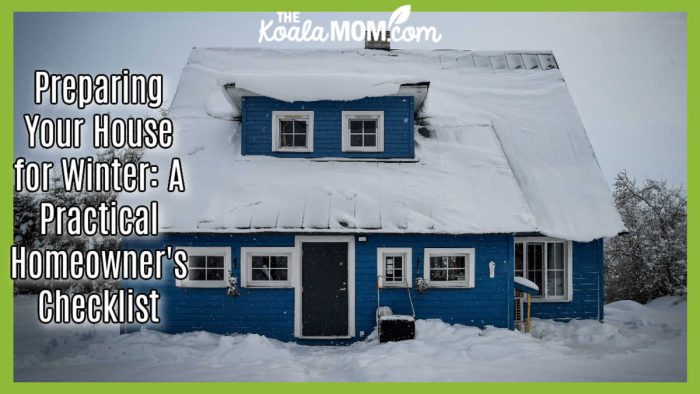
A winter-ready home is not necessarily one with expensive upgrades or the newest equipment. It is a home where small problems are noticed before they become major ones. With a little planning and regular maintenance, homeowners can spend less time worrying about household issues and more time enjoying the comfort of home during the colder months.
No Responses Yet