


When you think about changing the look of a room, you might picture painting the walls, buying new furniture, or starting a major renovation. But sometimes, you don’t need to change the room itself at all. A few well-chosen textiles can make a surprisingly big difference.
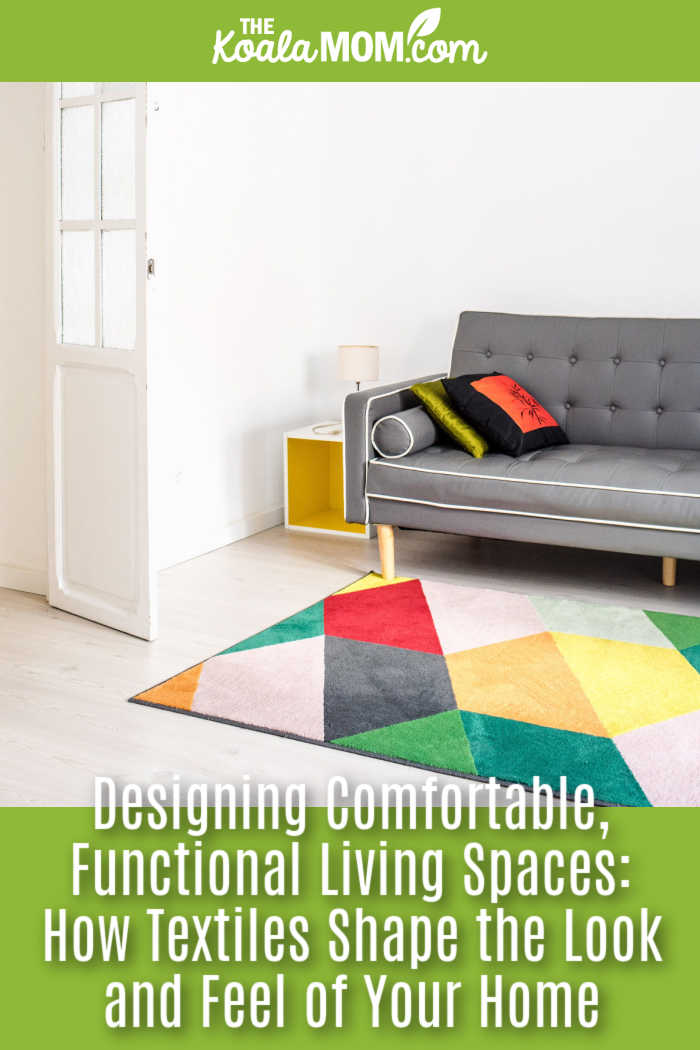
Think about curtains, cushions, rugs, blankets, and throws. These might seem like small details, but they can change how a room looks, sounds, and even feels under your feet. Add a rug to a room with hard floors, for example, and suddenly it feels warmer and less likely to echo. Hang curtains over bare windows, and the space can feel softer and more finished.
That’s part of why textiles are such a useful place to start when you’re refreshing a room. They’re relatively easy to change, and you don’t have to commit to a full renovation to see an immediate difference.
How Textiles Change the Feel of a Room
Hard surfaces have their advantages, but too many of them together can leave a room feeling cold, stark, or prone to echoes (especially if you have kids who don’t have an “inside voice”). Textiles help soften all those hard edges.
A rug can make a floor feel warmer and more comfortable underfoot. Curtains add softness around windows, while cushions and throws make sofas and chairs feel more inviting. These materials can also help absorb some of the sound bouncing around a room.
You may notice this especially in large or open-plan spaces. If your living room has hardwood or laminate floors, bare walls, and large windows, you might hear an echo when people are talking. Adding an area rug, curtains, and a few upholstered or fabric-covered pieces can help reduce that effect.
The material you choose matters, too. Wool, cotton, linen, and synthetic fabrics all have different textures and care requirements. A soft wool rug may feel wonderful in a bedroom, while a durable, easy-to-clean material might make more sense in a busy family room.
Start with a Simple Color Palette
If you’re not sure where to begin, textiles can also make it easier to pull a room’s colors together.
One simple approach is to start with neutral walls and larger pieces of furniture, then bring in color through rugs, cushions, curtains, and throws. That gives you plenty of flexibility if your tastes change later.
You don’t need a dozen different colors, either. Choosing three or four colors and repeating them throughout the room can create a much more cohesive look. For example, you might choose a soft neutral, a muted green, and a warm terracotta, then work those colors into your rug, cushions, curtains, and other accessories.
Don’t be afraid to mix patterns. They don’t all have to match perfectly. Patterns in different sizes can work well together when they share some of the same colors.
And before you buy a large rug or a set of curtains, try a few fabric or color samples in the actual room. A color that looks great in a store can look very different in your home’s natural and artificial light.
Add Texture without Making the Room Feel Cluttered
Color isn’t the only way textiles add interest. Texture can make a room feel much more layered and comfortable, particularly if you prefer a minimalist style with relatively little pattern.
Try mixing different finishes: perhaps linen curtains with a wool rug and a smooth leather sofa. The materials feel different from one another, but they can still work together because they aren’t all competing for attention.
Layering can be as simple as adding a throw to the sofa or a couple of textured cushions to a chair. You don’t need to fill every available surface.
In fact, if a room is starting to feel too busy, try taking something away before you add anything else. One statement rug or a few carefully chosen cushions can often have more impact than a room full of decorative accessories.
Choosing Textiles for Different Rooms
Different rooms have different needs, so the best textile choices aren’t necessarily the same throughout your home.
Living rooms: Rugs can help define a seating area, particularly in an open-plan space. When choosing a rug, consider the furniture arrangement rather than simply the size of the room. A rug that’s too small can make the furniture feel disconnected from one another.
Bedrooms: This is a good place to focus on softness and comfort. A rug beside the bed can feel much nicer underfoot than a cold floor first thing in the morning. Curtains can also help create a darker, quieter-feeling space.
Entryways and hallways: Here, practicality matters. Look for durable, low-profile textiles that won’t create a tripping hazard. A rug or runner can also help protect the flooring in an area that sees plenty of foot traffic.
The goal isn’t simply to make every room look beautiful. The right textiles should also make the room work better for the people who use it.
Think about Materials and Maintenance
Before falling in love with a particular rug or fabric, think about how it will hold up in your everyday life.
Natural materials such as cotton, wool, and jute each have their own advantages and drawbacks. Some are wonderfully soft, while others are better suited to heavy traffic. If you have young children or pets, an easy-to-clean and durable fabric may be more important than choosing the most delicate option.
Check the care instructions before buying, too. A textile that needs professional cleaning may not be the best choice for a busy family room, no matter how much you love the pattern.
And you don’t necessarily need to replace everything when you’re ready for a refresh. Start with what you already have. Try moving a rug, swapping cushions between rooms, or adding a throw in a new color. If you do want to buy something new, consider starting with a larger piece, such as an area rug, and then choosing smaller accents to complement it.

Creating a Home that Feels Like You
Textiles might be easy to overlook, but they can have a surprisingly big effect on how your home feels. They can soften a room, reduce echo, add warmth and texture, protect your floors, and bring different colors and furniture pieces together.
You don’t have to redesign your entire home to see the difference. Start with one room and experiment. Try a rug, add some cushions, change the curtains, or bring in a cozy throw. Pay attention to what makes the room feel more comfortable and more like you.
After all, the goal isn’t to create a room that looks like it belongs in a showroom. It’s to create a home that works for your life—and feels good to come home to.
No Responses Yet