


If you live in areas with hard water, such as Ontario or Florida, your home’s water can carry a heavy mineral load that quietly creates trouble behind the scenes. Hard water is common in many areas, and it doesn’t just leave spots on your glasses. It can affect your pipes, appliances, skin, and cleaning routine. Once you know what to look for, it gets much easier to protect your home and avoid expensive plumbing headaches.

Why a water softener can make daily life easier
A water softener removes the minerals that cause hardness before they move through your plumbing. Most systems do this through an ion exchange process, replacing calcium and magnesium with sodium or potassium. It sounds technical, but the result is simple: water that behaves better.
Soft water helps soap rinse away more cleanly. Your dishes come out clearer. Your towels feel softer. Your water-using appliances can operate with less mineral stress slowing them down.
You may also notice practical benefits pretty quickly:
- less scrubbing in bathrooms and kitchens
- lower soap and detergent use
- better performance from water heaters and dishwashers
- smoother skin and softer hair
- longer life for pipes and fixtures
For homes in Florida, where mineral-heavy water is common, getting a water softener installation can be a smart step if you want to reduce wear on your plumbing system and simplify basic cleaning.
What hard water is actually doing inside your home
Hard water contains high levels of minerals, mostly calcium and magnesium. Those minerals sound harmless, and technically they are safe to drink, but they’re rough on your plumbing system.
As water moves through your pipes, minerals build up along the inside walls. Over time, that buildup narrows the path water needs to travel. Your plumbing starts working harder, while your water pressure can start acting a little dramatic.
You’ll also see the evidence in everyday places:
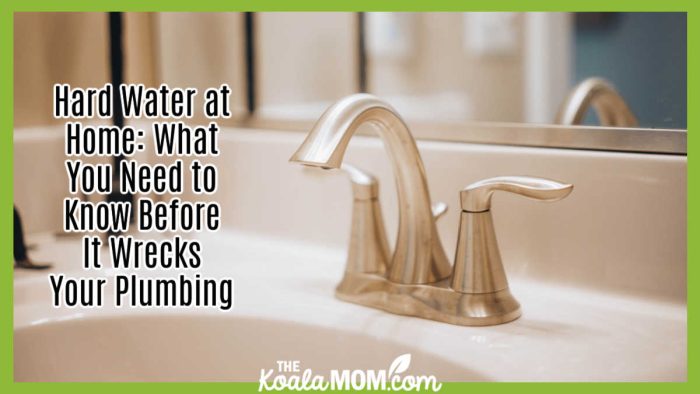
- white chalky residue on faucets
- spots on dishes and shower doors
- soap that doesn’t lather well
- dry skin after bathing
- stiff laundry that feels less clean
Your water heater feels it too. Mineral scale settles inside the tank and around heating elements, which can reduce efficiency and shorten the unit’s lifespan. It’s not exactly a glamorous villain, but hard water is persistent.
The signs you shouldn’t ignore
Some hard water issues look cosmetic at first, which makes them easy to brush off. A few spots on the sink don’t seem urgent. A crusty showerhead feels annoying, not serious. Then the pattern grows.
If your appliances seem to wear out early, hard water could be part of the problem. Dishwashers, washing machines, and water heaters all struggle when mineral deposits start collecting inside them. Even your coffee maker can end up clogged and sluggish.
Watch for these red flags:
- reduced water pressure in sinks or showers
- frequent plumbing repairs
- soap scum that keeps coming back fast
- faded clothes after washing
- hair that feels dull or brittle
- a water heater that makes popping or rumbling noises
Those little clues often point to a larger issue running through your whole house. Ignoring them can mean paying more later, especially when damaged fixtures and blocked pipes enter the chat.
What to consider before choosing a system
Not every water softener is the same, and picking one based on price alone can backfire. You want a system that matches your household size, water usage, and hardness level.
A home with two people has different needs than a busy family running laundry, dishes, and showers back to back. Capacity matters. Regeneration style matters too. Some systems run on timers, while others regenerate based on actual water use, which can be more efficient.
Before choosing a unit, look at:
- your water hardness level
- number of people in the home
- daily water consumption
- available installation space
- maintenance requirements
- salt-based versus salt-free options
Salt-free systems don’t technically soften water in the traditional sense. They condition it, which may reduce scale but won’t always deliver the same results. That detail matters if you’re trying to solve noticeable buildup or appliance strain rather than just tweak water quality on paper.
Why professional installation matters more than you think
A water softener isn’t a plug-it-in-and-forget-it purchase. It needs to connect correctly to your plumbing, drain setup, and sometimes your electrical supply. Placement and sizing matters. Incorrect installation can lead to leaks, poor performance, or a unit that never really solves the problem.
A professional can test your water, recommend the right system size, and make sure the installation supports your home’s layout. That’s especially useful if your plumbing is older or if space is limited in a garage, utility room, or exterior setup.
Professional installation also helps with practical details such as:
- correct bypass valve setup
- safe drain line routing
- proper programming for regeneration cycles
- leak prevention and code compliance
- testing after installation
A badly installed water softener can be like buying running shoes two sizes too small. Technically, you have them. Practically, you’re still uncomfortable.
How to keep your system working well for years
Once your water softener is installed, it still needs a little attention. The good news is that maintenance is usually straightforward. Most salt-based systems need the brine tank checked regularly so salt levels stay where they should be.
You’ll also want to watch for salt bridges, which happen when hardened salt forms a crust and stops the system from using it properly. Resin beds can last a long time, but they may need occasional cleaning depending on your water quality.
Good maintenance habits include checking the salt levels every month and breaking up any salt bridges in the tank. You should also clean the brine tank as recommended and schedule periodic inspections. Finally, you’ll want to monitor for changes in water feel or pressure.
If the water starts feeling hard again, don’t assume the system is failing immediately. It may just need service, a setting adjustment, or a refill. Catching that early keeps small maintenance from becoming another expensive home repair story.
The long-term payoff for your home and budget
A water softener can feel like one of those upgrades you don’t fully appreciate until you’ve lived with it for a while. Then you notice your faucets stay cleaner, your laundry feels better, and your appliances stop fighting mineral buildup every day.
Over the long run, soft water can help reduce plumbing repairs, improve appliance efficiency, and extend the life of water heaters, dishwashers, and washing machines. It also cuts down on cleaning products and detergent use, which adds up more than many homeowners expect.
If hard water is affecting your home, solving it early can protect both your plumbing and your routine. You get fewer household hassles, better water performance, and less time scrubbing stubborn residue that seems to regenerate like it’s on a mission. That’s a strong trade for one smart home improvement.
No Responses Yet