


Indoor plants have long been an easy way to soften the hard edges of a room, but they can do more than fill an empty windowsill. Whether you’re adding a small plant to your desk or using a single large indoor plant to anchor a living room or hallway, the key is choosing plants that actually work with your space. Plant size and room design need to complement each other.
And while plants certainly look good, they can also contribute to a more comfortable home. Research has linked indoor greenery with benefits such as reduced stress, improved mood, and better attention, while plants can also add humidity and help make a space feel less stale. Of course, plants aren’t a replacement for good ventilation or medical care, but they can be one small part of creating a home that feels healthier and more inviting.
Here’s how to bring more greenery into your home while keeping your space, lighting, and actual capacity for plant care in mind.
Understanding How Indoor Plants Support a Healthier Home
Research in horticulture and environmental health has linked indoor greenery with improved mood, reduced stress, and better attention. On the physical side, plants can increase humidity and may help reduce airborne dust, which can make an indoor space feel more comfortable.
But more plants aren’t necessarily better. Their potential benefits depend on things like how many plants you have, their size and placement, your home’s ventilation, and existing indoor pollutants. Think of house plants as one piece of a healthy home rather than a substitute for opening a window, using proper ventilation, or getting medical care when you need it.
Matching Plant Size and Type to Your Space
The size of your room—and the height of your ceilings—can help determine what plants will work best. A spacious room can easily accommodate a tall statement plant, while a large plant squeezed into a small room can make the space feel crowded.
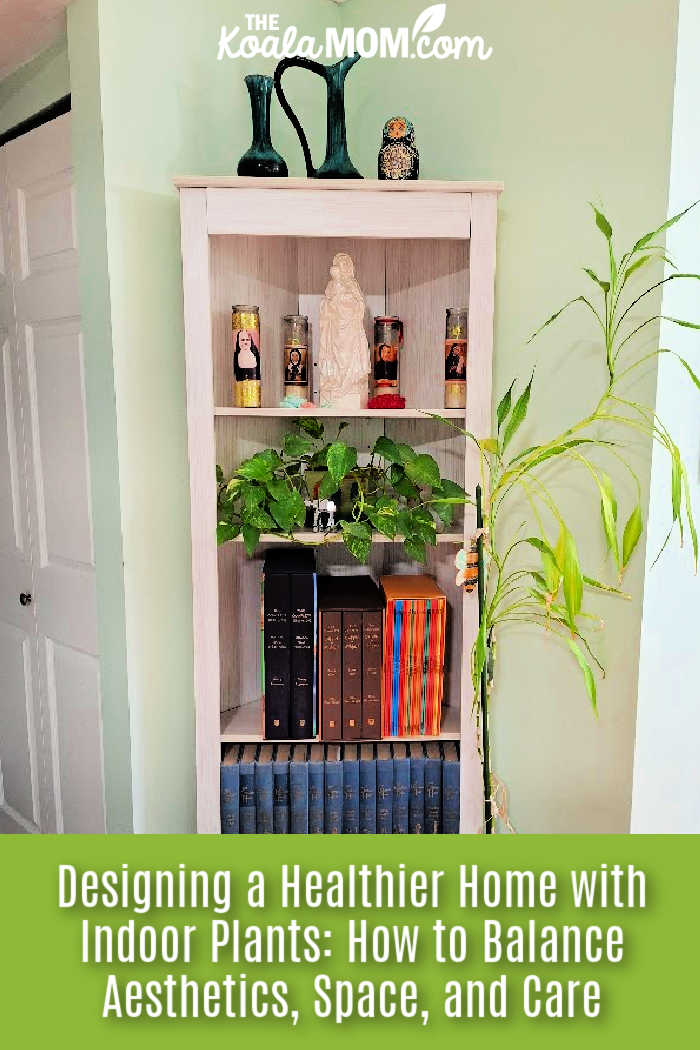
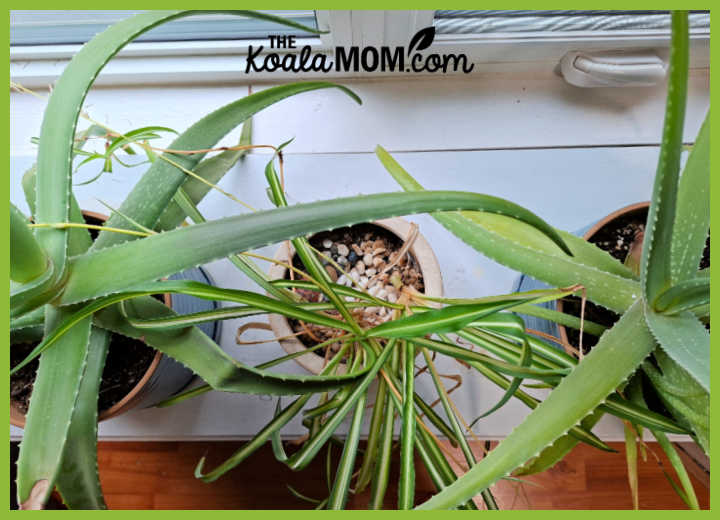
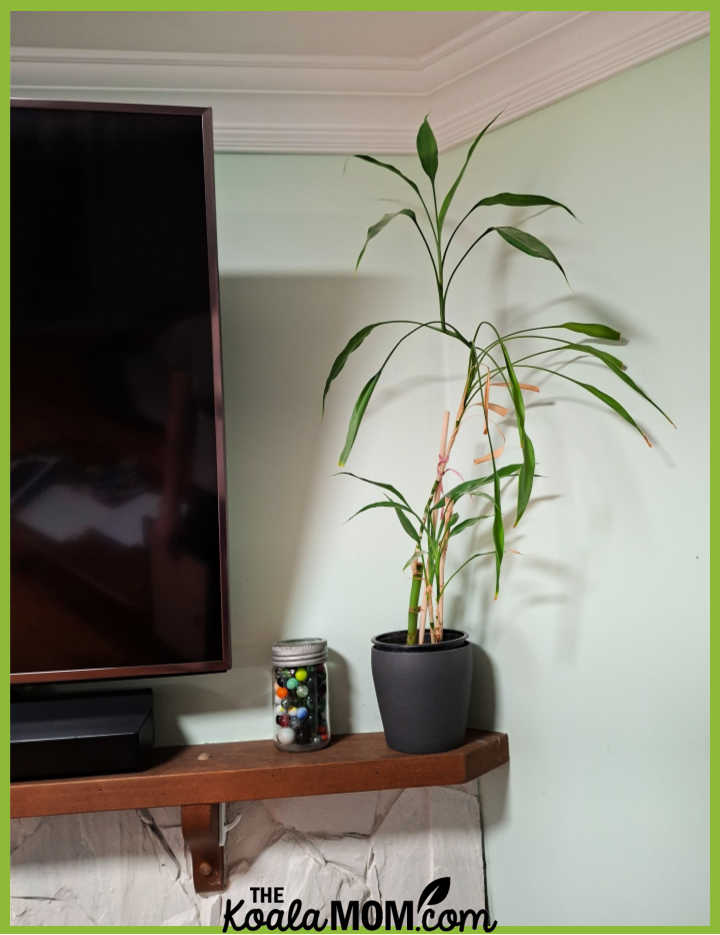
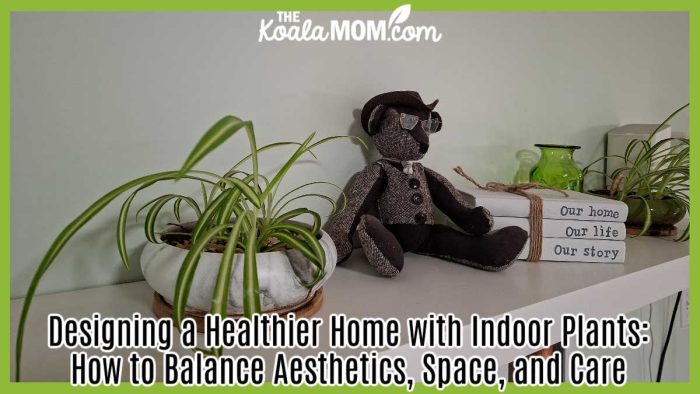
Here in the Lower Mainland, we’ve always lived in smaller homes where space is at a premium. I have a collection of ivy, aloe, spider plants, snake plants, dracaena, and a few other varieties that don’t take up much space but still add greenery and texture to our home. My ivy plants work well perched on top of tall bookshelves, where their long vines drape over the side, while snake plants and dracaena fit nicely into corners without taking up much floor space.
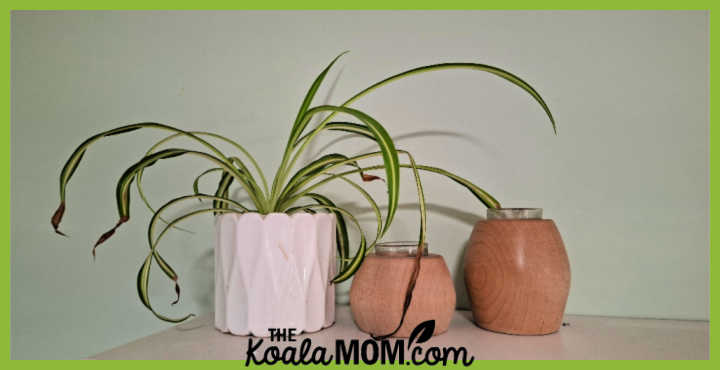
Tabletop plants, medium floor plants, and large floor plants all create different effects, so think about how a plant’s shape and mature size will work in your room before you buy it. When choosing a container, a pot with a diameter of roughly one-third of the plant’s height can help provide stability. And don’t forget to check the plant’s expected mature size—you may have plenty of room for that cute little plant now, but it could eventually outgrow its spot.
Light, Placement, and Environmental Fit
Light is probably the biggest factor in whether a house plant actually thrives. Terms such as low, medium, and bright indirect light describe how much usable sunlight a plant receives, but you don’t necessarily need fancy equipment to figure out what you have. Pay attention to how the sunlight and shadows move through your home during the day.
Window orientation, curtains, and even the distance between a plant and the glass can make a big difference. Sometimes, though, finding the right spot is simply a matter of trial and error. Every time we’ve moved, I’ve had to figure out where my plants are happiest. Some want to sit right beside a window, while my ivy plants are perfectly happy on top of a tall shelf. Others can handle a windowless bathroom.
Larger plants have more leaves to support, so they generally need more consistent light. The best plant for your home is the one that matches the light you actually have—not the light you wish you had. Pale leaves can be a sign that a plant isn’t getting enough light, while scorched patches may indicate too much direct sun. If a plant isn’t thriving in one spot, try moving it before giving up on it.
Choosing Containers and Groupings for Safety and Stability
The right container matters, too. Pot size, material, and drainage all affect root health, so choose a plant pot that’s appropriate for the plant’s current size and expected growth.
Grouping plants with similar needs can also make caring for them much easier. Instead of trying to remember a different watering schedule, humidity level, and light requirement for every plant in your house, put plants with similar needs together.
Plants that enjoy higher humidity may do well near a kitchen or bathroom. Taller plants should be placed somewhere stable and away from high-traffic areas where they could easily be knocked over. And if you have children or pets, check a reliable source for plant toxicity before bringing a new variety into your home.
Integrating Plants into Interior Design without Overcrowding
Plants can be a simple way to give a room more character. They can soften an empty corner, frame a doorway, add some height behind a desk, or bring a little life to an otherwise plain shelf.
The trick is not to put plants everywhere just because you can. Give them some breathing room and think about how they work together with the rest of your furniture and decor. An entryway, a corner near a window, or an empty spot on a shelf can all be good locations—as long as there’s enough room to actually water and care for the plant.
Long-Term Care: Keeping House Plants Healthy
Of course, bringing a plant home is the easy part. Keeping it alive is where things get interesting. I’ve never had a happy African violet, but I currently have a lovely collection of hardier house plants. Sometimes, having a green thumb simply means finding the plants that like your home’s lighting and your habits of watering.
Regular care usually involves watering, feeding, pruning, cleaning the leaves, and occasionally repotting. Larger plants may need more water, although they don’t necessarily need to be repotted as often as you might expect.
Keep an eye out for changes such as yellowing leaves, brown edges, or spindly growth. These can be early signs that something isn’t quite right. And when it comes to house plants, consistent, moderate care is usually better than ignoring them for weeks and then trying to make up for it with a burst of attention. My plants get watered every Sunday night because that’s when I remember to do it. Plants that like more or less water don’t survive.
If you’re dealing with an ongoing problem, look for advice from reputable horticultural resources rather than assuming every yellow leaf means the same thing.
Bringing It Together: Creating a Sustainable Indoor Plant Plan
You don’t need to turn your home into a jungle to enjoy the benefits of indoor plants. Start with one room. Look at the available light, consider how much space you actually have, and think honestly about how much plant care fits into your routine. For example, I’d love to have a few more plants around my bedroom, but the space by the window is limited so more plants wouldn’t work.
From there, choose plants in different sizes and shapes that suit both your home and your lifestyle. A well-placed plant can make a room feel calmer, soften an awkward corner, and add a little life to your everyday surroundings.
The goal isn’t to have the most plants. It’s to create a home where the plants you have can actually thrive—and where you can enjoy them without adding another chore to your list.
No Responses Yet