


Winter pulls many dogs indoors and closer together. Between holiday boarding or crowded grooming appointments before family photos, the colder months give coughs and colds plenty of chances to pass from one dog to the next.
Most winter respiratory illnesses in dogs are mild and clear with rest and veterinary care. The signs to know are a lingering cough, nasal discharge, low energy, a poor appetite, fever, faster or harder breathing, and a change in gum colour, which can mean your dog needs help right away.
Below, you’ll learn what each sign looks like at home, which ones can wait for a regular appointment, and which mean a trip to the emergency clinic tonight.
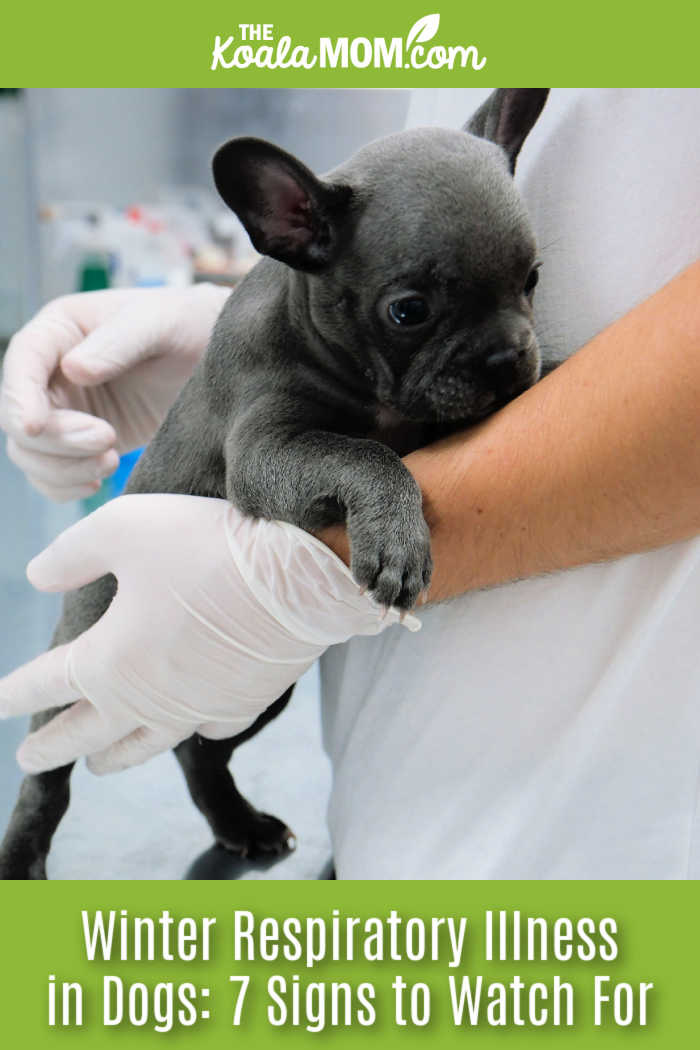
1. A Cough that Hangs On
The most common winter culprit is kennel cough, a group of contagious viral and bacterial infections that spread wherever dogs share air, such as boarding kennels, daycares, and groomers. The cough is usually dry and harsh, often with a honking sound, and it can end in a gag that looks like your dog is about to vomit.
Many dogs with kennel cough still eat, play, and act like themselves, and mild cases often improve over one to three weeks. Call your veterinarian if the cough lasts more than a few days, turns wet or productive, or shows up alongside any of the other signs on this list.
Record a short video of the cough on your phone if you can. Coughs rarely happen on cue in the exam room, and a 20-second clip lets your vet hear exactly what you’re hearing at home. Until your vet clears them, keep a coughing dog away from other dogs.
2. Sneezing and Nasal Discharge
A few sneezes and a little clear, watery discharge from the nose can come with a mild infection. Watch the colour and amount. Thick yellow or green discharge can point to a bacterial infection settling in, and that deserves a call to your vet.
Discharge from only one nostril, or any bloody discharge, is also worth a prompt appointment, since those can come from a dental problem or something lodged in the nose. Watery or goopy eyes often show up at the same time as nasal symptoms.
3. Less Energy and Less Interest in Play
Plenty of dogs nap more in winter, so the question is whether your dog is acting differently from their own normal. Skipping the walk they usually beg for, ignoring a favourite toy, or not getting up when the kids come home from school are all changes to pay attention to.
Children often notice these shifts first, since they spend so much time playing with the family dog. If your kids mention that the dog “doesn’t want to play,” take it seriously. Low energy paired with a cough or poor appetite is a good reason to book a vet visit.
4. Eating Less (or Not at All)
A congested dog can’t smell food well, and dogs rely heavily on smell to decide whether dinner is worth eating. Your dog might sniff the bowl and walk away, eat only treats, or pick at half a meal.
One skipped meal in an otherwise bright dog isn’t cause for alarm. Refusing food for more than a day is a reason to call your veterinarian, and puppies and small dogs should be checked sooner. Watch water intake too, since a sick dog that stops drinking can become dehydrated.
5. Fever
A dog’s normal temperature runs warmer than ours, roughly 101 to 102.5°F (38.3 to 39.2°C). A warm ear or a dry nose won’t tell you much. A digital rectal thermometer is the only reliable way to check at home, and your vet can show you how to do it calmly.
A reading above about 103°F (39.4°C) means it’s time to call your veterinarian. Never give your dog fever or pain medicine from your own cabinet. Ibuprofen, naproxen, and acetaminophen can all be toxic to dogs, even in small amounts.
6. Breathing Faster or Harder than Usual
Changes in breathing need the quickest attention, because they can mean an infection is moving from the upper airways into the lungs. Kennel cough and canine influenza can sometimes progress to pneumonia, especially in puppies, older dogs, and dogs with heart or airway disease.
The easiest check is your dog’s resting breathing rate. While your dog is asleep or lying quietly, count each rise and fall of the chest for 30 seconds, then double it. Most healthy dogs take fewer than 30 breaths a minute at rest, and a rate that stays above 40 calls for a same-day vet visit.
Effort matters as much as speed. Watch for the belly pushing hard with each breath, flaring nostrils, elbows held out from the chest, a stretched-out neck, or a dog who won’t settle and lie down because breathing is easier sitting or standing.
7. Pale, Grey, or Blue Gums
Lift your dog’s lip and look at the gums. In most dogs, they’re a healthy bubblegum pink. If your dog has dark pigmented gums, check the inside of the lower eyelid instead.
Blue, purple, grey, or very pale gums mean your dog isn’t getting enough oxygen, and this is an emergency. So are collapse, gasping, or open-mouth breathing that doesn’t settle with rest. Go straight to the nearest emergency veterinary clinic, and call ahead so the team is ready.
Call the Vet or Go Now?
It helps to sort these signs before you need to, so you aren’t deciding under pressure.
Call your veterinarian within a day if your dog has:
- a cough lasting more than a few days, or a cough that turns wet
- thick yellow or green nasal discharge
- low energy, or a skipped meal plus other symptoms
- a temperature above about 103°F (39.4°C).
Go to an emergency clinic now if your dog has:
- blue, grey, purple, or very pale gums
- fast or laboured breathing at rest, or breathing that won’t let them lie down
- collapse, extreme weakness, or gasping
Dogs Who Need a Closer Eye this Winter
Some dogs have less breathing room to spare when an infection hits. That includes puppies, senior dogs, flat-faced breeds like pugs, bulldogs, French bulldogs, and shih tzus, and dogs already living with heart disease, collapsed trachea, or chronic bronchitis.
Before holiday boarding, ask your veterinarian whether vaccines for Bordetella or canine influenza make sense for your dog. Switching from a collar to a harness also takes pressure off the windpipe of a dog who is coughing.
Some families with higher-risk dogs also work out an emergency plan for breathing trouble with their veterinarian. That plan usually covers the nearest 24-hour clinic and the fastest route there. For some dogs, it also includes a portable pet oxygen kit from a company like Pawprint, whose kits are used by veterinary teams too. A kit like this is meant for the drive to the clinic. It can ease the strain on your dog’s breathing while you get them to the veterinarian, who treats the infection itself.
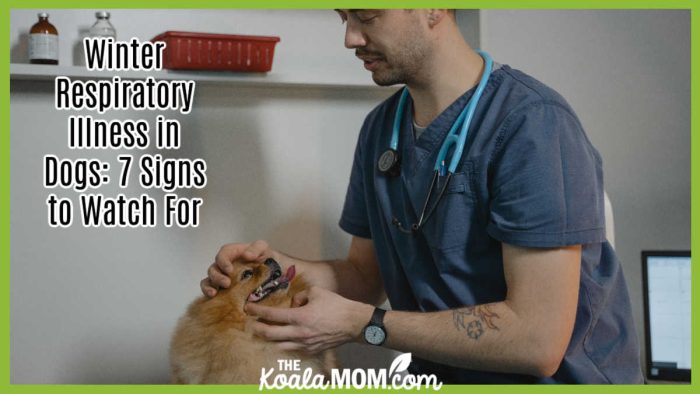
Know Your Dog’s Normal before the Coughing Starts
The most useful thing you can do this week takes about five minutes. While your dog is healthy, count their resting breaths, look at their gum colour, and note how much they usually eat. Those numbers make every change on this list easier to spot.
Save your vet’s number and the nearest emergency clinic’s address in your phone, and keep a coughing dog home from daycare or boarding kennels. Then you’ll know whether a winter cough means rest on the couch, a call to the vet, or getting in the car right now.
No Responses Yet