


Have you ever struggled to get out of bed because your knees felt stiff, or noticed your fingers aching when you tried to open a jar? Joint aches and pains are a common part of life for many people. Whether caused by arthritis, overuse, an old injury, or simply getting older, joint discomfort can make everyday activities more challenging. Even simple tasks like buttoning a shirt, climbing stairs, gardening, or carrying groceries can become frustrating when your joints aren’t cooperating.
While joint pain can slow you down, there are gentle ways to improve your comfort at home. You don’t necessarily need fancy equipment or expensive treatments to start caring for your joints. Natural approaches, including regular movement, nourishing foods, and a few practical lifestyle changes, may help reduce stiffness and support better mobility.
Of course, persistent or worsening joint pain deserves medical attention, particularly if it comes with significant swelling, redness, warmth, or sudden loss of movement. But if you’re looking for everyday ways to support your joint health, these simple strategies are a good place to start.
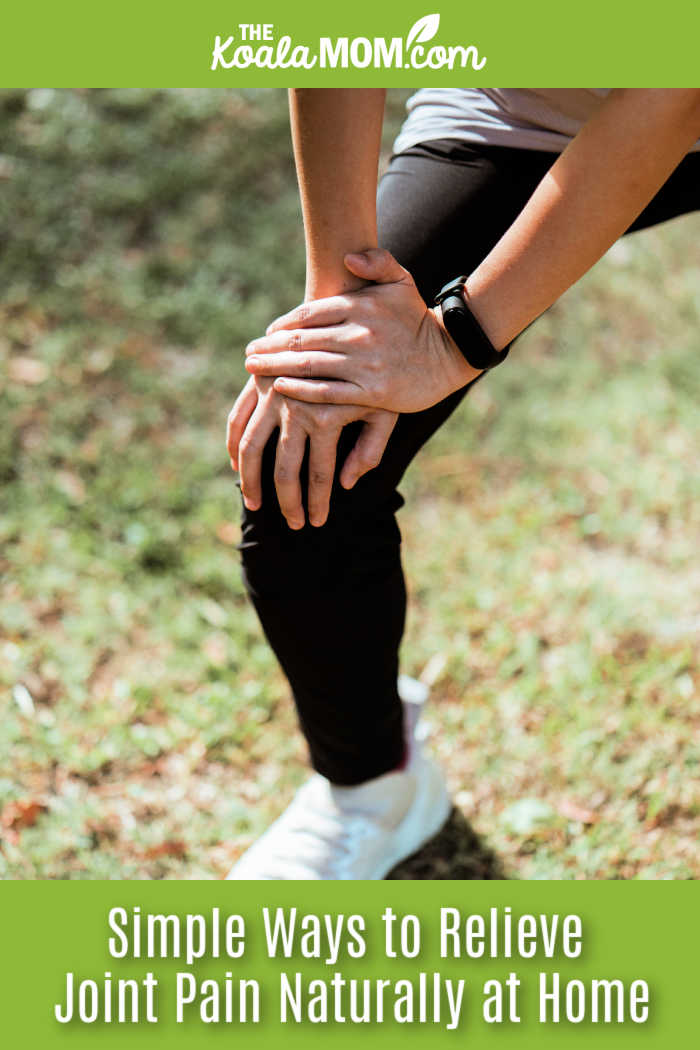
Gentle Movement for Stiff Joints
When your joints hurt, your first instinct might be to rest and avoid movement. While taking breaks is important, staying inactive for too long can actually make stiffness worse. Regular movement helps maintain flexibility, strengthens the muscles that support your joints, and encourages better circulation.
You don’t have to start with an intense workout. Gentle morning stretches can help loosen stiff muscles and joints before you begin your day. Try slowly rotating your ankles, bending and straightening your knees, or opening and closing your hands a few times. Move within a comfortable range rather than forcing a stretch or pushing through pain.
Low-impact activities are particularly helpful for people with sore joints. Consider adding some of these to your routine:
- Walking: A short walk around your neighbourhood can help keep your knees and hips moving without requiring special equipment.
- Swimming or water aerobics: The buoyancy of water supports your body weight, reducing pressure on your joints while allowing you to exercise.
- Cycling: A stationary bike or leisurely outdoor ride can strengthen the muscles around your knees with relatively little impact.
- Yoga or tai chi: Gentle poses and controlled movements can improve balance, flexibility, and body awareness.
Try to incorporate some movement into each day, even if you only have five or ten minutes. You can also break activity into shorter sessions throughout the day. Consistency matters more than intensity, especially when you’re managing joint discomfort.
Warmth and Cold for Relief
Sometimes the simplest home remedies can make a noticeable difference in how your joints feel. Both warmth and cold can provide temporary relief, but they work in different ways.
Heat helps relax tight muscles, increase circulation, and ease stiffness. It’s particularly useful first thing in the morning or before gentle exercise. Try taking a warm shower, soaking in a comfortable bath, or placing a warm towel over a stiff joint. A heating pad can also help, especially when you’re relaxing in the evening.
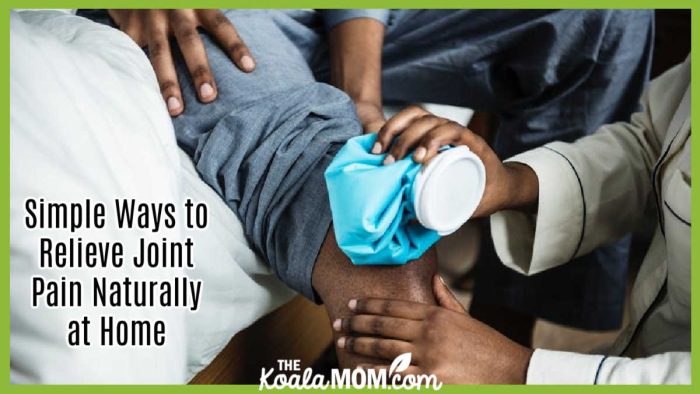
Cold, on the other hand, can help numb discomfort and reduce swelling. If a joint feels hot, swollen, or irritated after activity, try applying a cold pack for 10–15 minutes. A bag of frozen vegetables wrapped in a thin towel works in a pinch!
A few precautions can help you use these remedies safely:
- Always place a towel or cloth between your skin and a heating pad or cold pack.
- Avoid applying extreme heat or cold directly to your skin.
- Don’t fall asleep with a heating pad switched on.
- Give your skin time to return to its normal temperature between applications.
As a general rule, try warmth for stiffness and cold for swelling. Pay attention to how your body responds, since different people find different approaches more comfortable.
Anti-Inflammatory Foods for Joint Health
What you eat can also play a role in how your joints feel. While no single food can cure arthritis or eliminate joint pain, a balanced diet rich in nutrients may help support overall health and manage inflammation.
Start by adding more colourful fruits and vegetables to your meals. Berries, oranges, spinach, broccoli, and other leafy greens provide antioxidants and vitamins that help protect your cells. These foods are easy to incorporate into everyday meals, whether you add berries to breakfast, toss spinach into a salad, or serve roasted vegetables with dinner.
Healthy fats are another important part of a joint-friendly eating pattern. Fatty fish such as salmon, sardines, and mackerel contain omega-3 fatty acids, which have been studied for their potential anti-inflammatory benefits. If you don’t eat fish, walnuts, chia seeds, and ground flaxseed are plant-based sources of omega-3 fats.
Other helpful additions include:
- Nuts and seeds: Almonds, walnuts, pumpkin seeds, and chia seeds provide healthy fats and other nutrients.
- Olive oil: Use extra-virgin olive oil in salad dressings or when preparing meals.
- Whole grains: Oats, brown rice, and whole-grain bread provide fibre and support a balanced diet.
- Beans and lentils: These affordable protein sources also contain fibre, minerals, and antioxidants.
It’s also worth limiting highly processed foods, sugary drinks, and snacks that offer little nutritional value. You don’t have to eliminate your favourite treats, but focusing on whole, minimally processed foods most of the time can support your overall well-being.
And don’t forget to drink enough water! Although water doesn’t directly lubricate your joints, staying hydrated supports the normal function of cartilage and other tissues throughout your body.
Simple Home Habits for Comfort
Sometimes improving joint comfort is less about adding something new to your routine and more about making everyday activities easier on your body.
For example, if your knees ache while sitting, try placing a small cushion or rolled towel under your legs for support. If you spend a lot of time standing in the kitchen, consider using a cushioned mat to reduce pressure on your feet and legs. Comfortable, supportive shoes can also make a difference, particularly if you walk or stand for long periods.
People who experience pain in their hands and fingers may benefit from a few simple adjustments around the house:
- Choose kitchen tools with larger, easier-to-grip handles.
- Use jar openers rather than struggling with tight lids.
- Keep frequently used items on shelves that are easy to reach.
- Consider electric can openers or other assistive tools to reduce repetitive hand movements.
If you have arthritis, you may also find that certain medications help you manage symptoms when lifestyle changes alone aren’t enough. You can explore affordable arthritis medications online today as one possible source of additional support. Talk with your healthcare provider or pharmacist about which options are appropriate for your symptoms, other medications, and health history.
Finally, remember to pace yourself. Instead of trying to complete every household chore in one afternoon, divide larger tasks into smaller jobs. Alternate activities that require repetitive movements with opportunities to rest. Taking a few short breaks throughout the day can help prevent unnecessary strain.
Mindful Weight Management
Carrying extra body weight can put additional pressure on weight-bearing joints, particularly the knees, hips, and ankles. Over time, this added stress may contribute to discomfort and make everyday movement more difficult.
If weight management is something you’re working on, focus on sustainable habits rather than quick fixes. Eating balanced meals, choosing satisfying snacks, and finding enjoyable ways to stay active can all help you maintain a healthy weight.
Even modest weight loss may help reduce pressure on the knees for people who are heavier. However, you don’t need to make dramatic changes to support your joints. Small, consistent steps are often easier to maintain.
Choose activities that are gentle on your joints, such as walking, swimming, or cycling. If traditional exercise feels uncomfortable, a physiotherapist can help you find appropriate movements and build strength gradually.
Most importantly, be patient with yourself. Celebrate improvements in mobility, stamina, and everyday comfort rather than focusing only on the number on the scale.
Sleep and Stress for Joint Relief
It’s easy to overlook the connection between sleep, stress, and physical discomfort. However, getting enough quality rest is an important part of looking after your body.
During sleep, your body carries out essential repair and recovery processes. Poor sleep can also make pain feel more difficult to manage, creating a frustrating cycle in which discomfort interferes with rest and lack of rest makes discomfort worse.
Try to establish a consistent bedtime and wake-up time, even on weekends. A relaxing evening routine can help signal to your body that it’s time to wind down. Read a book, take a warm bath, listen to calming music, or spend a few minutes doing gentle stretches.
Stress management matters, too. When you’re stressed, you may unconsciously tense your muscles, which can add to existing discomfort. Simple practices such as deep breathing, meditation, or spending time outdoors can help you relax.
You don’t need to set aside an hour every day for self-care. Even a few quiet minutes between household responsibilities or during your lunch break can give you an opportunity to slow down and reset.
Finding Everyday Comfort for Your Joints
Living with joint discomfort doesn’t mean giving up the activities you enjoy. While there’s no one-size-fits-all solution, a combination of gentle movement, nutritious food, practical home adjustments, and adequate rest can help support your joints and improve everyday comfort.
Start with one or two manageable changes. Perhaps you’ll take a short walk after dinner, add more vegetables to your meals, or try a warm shower to ease morning stiffness. As these habits become part of your routine, you can gradually build on them.
Remember that natural remedies and lifestyle changes are not substitutes for appropriate medical care, especially if you have ongoing arthritis or another joint condition. Work with your healthcare provider to find an approach that meets your needs.
With a little consistency and patience, small daily adjustments can help you stay active, maintain mobility, and feel more comfortable doing the things that matter to you.
No Responses Yet