
A dining table is an essential piece of furniture that can influence the overall look and feel of your dining area. Choosing one that complements your interior while meeting your everyday needs can make a real difference. We’ve had a couple different tables, in many different home, and really appreciate our current extendable rectangular table (despite the wear it shows after many years of hard use).
With so many styles and designs available, finding the right dining table can feel challenging. This guide will help you make an informed decision and choose a table that works well in your space.
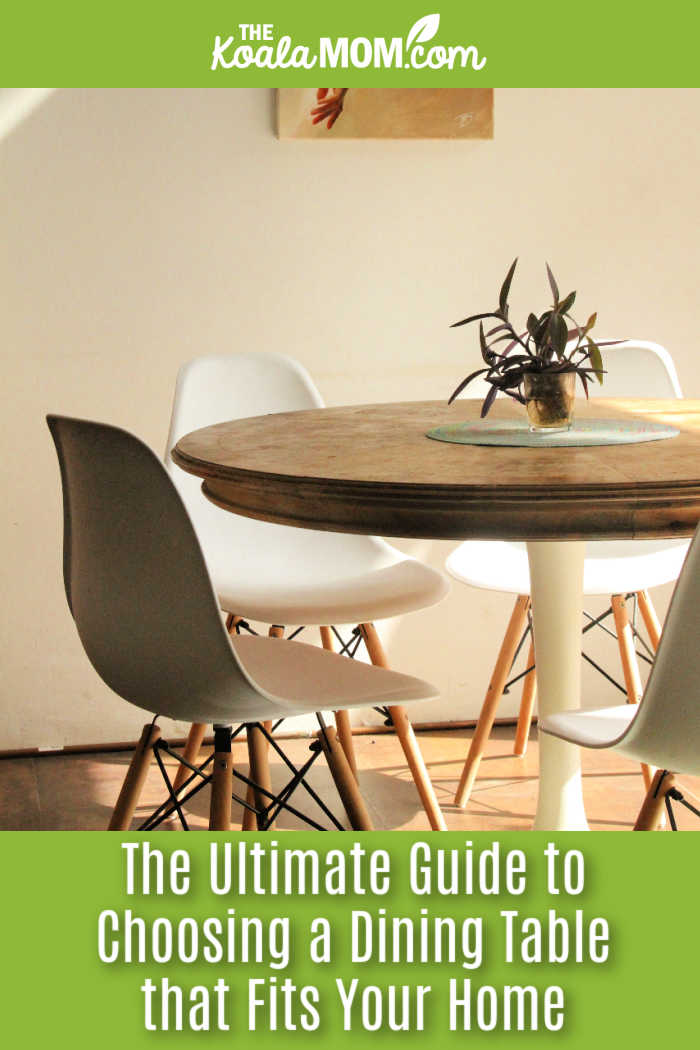
Finding the Right Dining Table Size for Your Household
The number of people using a dining table regularly is a good starting point when choosing its dimensions. How many people usually eat at your dining room table? However, the size should also allow enough elbow room and space for serving dishes.
For four people: A rectangular table measuring approximately 120–150 cm long and 80–100 cm wide generally provides comfortable seating. A round table measuring around 120 cm in diameter is another practical choice, particularly for smaller dining areas.
For six people: Rectangular tables measuring around 180–210 cm long and 90–100 cm wide are suitable for most households. Alternatively, a round table measuring approximately 135–150 cm in diameter can accommodate six people comfortably.
For eight people: A rectangular table measuring approximately 240–270 cm long and 100–110 cm wide generally provides sufficient space. Rectangular or oval designs are usually more practical than round tables for larger groups.
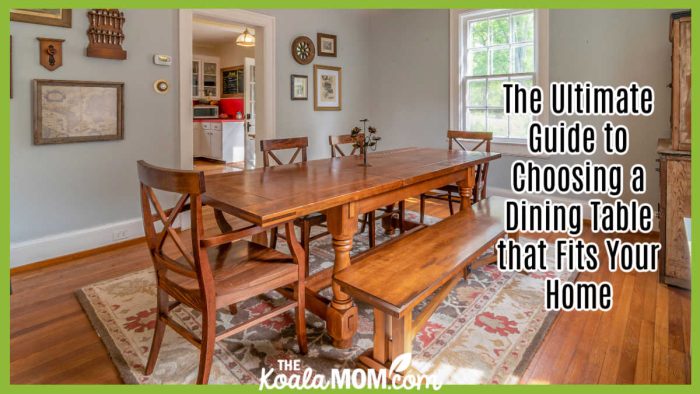
The number of people a table can accommodate may also depend on chair width, table legs and the design of the base. For example, we have 4 chairs and a bench at our dining table to accommodate 7 people. My mom’s dining table has more ornate chairs which require more space, so it feels harder to seat all of us for dinner there.
How Much Clearance Does a Dining Table Need?
A dining table needs enough surrounding space for people to pull out chairs and move around comfortably. Before buying, measure the room and consider how much floor space will remain once the table is in place.
Allow approximately 90 cm between the table edge and nearby walls or furniture. For frequently used walkways, 100–120 cm provides additional room, especially when people need to pass behind occupied chairs. In our dining room, we need space on one wall to walk from the kitchen to the living room.
Also, consider nearby doors, kitchen cabinets and sideboards. A table may fit within the room but still restrict movement or access to storage.
Round, Rectangular or Extension: Which Shape Works Best?
The shape of a dining table can influence how the room functions and how people interact during meals.
Round Dining Tables for Smaller Spaces
Round tables encourage conversation because everyone faces towards the centre. Without sharp corners, they can also make movement easier in compact or square-shaped rooms. They work particularly well for smaller households, although larger round designs require considerable floor space.
Rectangular Tables for Everyday Dining
Rectangular tables suit longer dining rooms and open-plan living spaces (like ours). Their shape provides a generous dining surface and makes it easier to arrange seating for larger families. They can also be positioned parallel to walls or kitchen islands to create a balanced room layout.
For households comparing different designs, The Furniture Gallery offers a range of dining tables in various shapes and materials, allowing you to explore options that suit your space.
Extension Tables for Flexible Seating
Extension dining tables are a practical choice for households that occasionally need extra seating for guests. They provide a smaller surface for everyday meals and expand when additional seating is needed. We currently have a rectangular table with two leaves that we regularly pull out when we have other friends over.
Before choosing one, check the extended dimensions and ensure sufficient clearance remains around the table. The extension mechanism should also be easy to operate and suitable for regular use.
Timber or Stone: Which Dining Table Top Should You Choose
Once the dimensions and shape are decided, the tabletop material becomes another important consideration. Timber and stone offer different appearances, maintenance requirements and everyday benefits.
Timber Dining Tables
Timber tables bring natural grain patterns and earthy tones into dining spaces. They complement contemporary, coastal and traditional interiors, making them versatile for different decorating preferences.
Solid timber is a durable choice for everyday dining and can maintain its appearance for years with proper care. Using place mats and coasters and cleaning spills promptly can help protect its natural finish.
Stone Dining Tables
Stone dining tables, including marble designs, offer a refined appearance with distinctive patterns and finishes. Their smooth surfaces complement contemporary interiors and can create an elegant focal point in the dining area.
Stone tabletops are also valued for their solid construction and durability. However, natural stone such as marble may require sealing and careful cleaning to protect against stains and surface damage. Using coasters and place mats can help maintain the table top’s appearance over time.


Choosing a dining table involves more than matching its finish to the surrounding furniture. The right dimensions, adequate clearance, suitable shape and practical material all contribute to an enjoyable dining experience.
Whether you prefer a classic timber table or a contemporary stone design, The Furniture Gallery’s dining tables offer a variety of options to complement your home. With different sizes, shapes and finishes available, you can find a table that works for everyday meals and special occasions.
Frequently Asked Questions
Is a pedestal dining table better than a four-legged table?
A pedestal table offers more flexibility when arranging chairs, while a four-legged table provides stability for longer designs.
What is the standard height of a dining table?
Most dining tables are approximately 75 cm high and pair well with dining chairs that have a seat height of around 45 cm.
Can a rug be placed under a dining table?
Yes. Choose a rug that extends approximately 60–70 cm beyond the table edges so chairs remain on the rug when pulled back.
Is a bench seat suitable for a rectangular dining table?
Yes. A bench seat pairs well with a rectangular dining table, offering flexible seating while helping maintain an open and uncluttered dining area.
Can you mix and match dining chairs with a dining table?
Yes. Mixing dining chairs with different materials, colours or finishes can create a personalised look while complementing your existing furniture.
No Responses Yet