


If you’ve ever armed your home alarm and wondered, “Wait, which sensors are actually on right now?”, you’re not alone. Home security systems can seem complicated at first, especially when you’re trying to protect your family without setting off the alarm every time someone gets up for a glass of water.
Modern alarm systems are designed to work a little differently depending on whether you’re home, sleeping, or heading out for the day. They use different security modes, sensors, and programmed settings to decide which parts of your home need to be monitored at any given time.
For example, you might want your doors and windows protected while your family is sleeping, but you probably don’t want a motion detector sounding the alarm when someone walks down the hallway at 2 a.m. Understanding how these settings work can help you get the most out of your home security system — and avoid those frustrating false alarms.
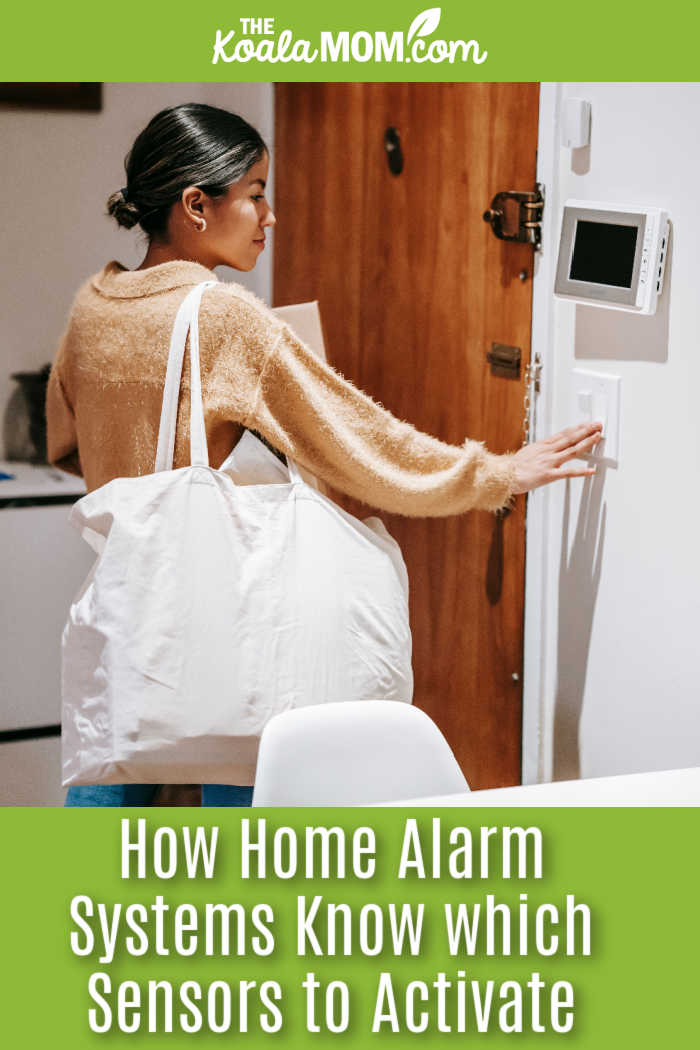
Security Modes Tell Your Alarm What to Watch
Think of your alarm system’s control panel as the brain of the operation. When you choose an arming mode, the panel uses its programmed settings to decide which sensors should be active.
Most systems have different options for when you’re home and when you’re away. For example, an “armed stay” setting generally protects the outside of your home while allowing people inside to move around normally. An “armed away” setting can activate additional sensors throughout the house because no one is expected to be moving around inside.
You can learn more about how these different settings work in this guide to armed stay and away settings.
This flexibility is especially helpful for families. You don’t necessarily need the same level of monitoring while you’re home making dinner as you do when everyone has left for school, work, or errands.
Perimeter Sensors Watch Your Doors and Windows
One of the simplest parts of a home alarm system is also one of the most important: the sensors on your doors and windows.
These contacts can detect when a protected door or window is opened while the alarm is armed. Since these are potential entry points into your home, they’re often monitored even when you’re inside.
For example, you might arm your system at bedtime so that your exterior doors and first-floor windows are protected while everyone is sleeping. Your family can still walk around the house without setting off the alarm.
For busy families, that’s a pretty useful balance: you get protection around the edges of your home without turning bedtime into an obstacle course.
Motion Sensors Work a Little Differently
Motion detectors provide another layer of protection by watching for movement inside the house. You may see them installed in hallways, living rooms, stairways, or other areas where someone would likely pass if they entered the home.
Many motion detectors work by sensing changes in infrared energy associated with movement. (You can learn more about motion detectors if you’re curious about the technology.)
Here’s where your alarm’s different modes become particularly useful.
If you’re home, you may not want your motion detectors active. After all, someone walking from the kitchen to the bathroom shouldn’t cause the alarm to go off.
When everyone leaves, however, those same motion detectors can be activated. If someone gets into the house through a door or window, the motion sensor can provide another opportunity to detect them.
Entry and Exit Delays Make Everyday Life Easier
Your alarm system also needs to know the difference between an intruder and you trying to get through the front door with three grocery bags and a toddler. That’s where entry and exit delays come in.
When you arm the system and leave through a designated door, an exit delay gives you a short amount of time to get out before the alarm fully activates. Similarly, when you come home, an entry delay gives you time to disarm the system before it triggers an alarm.
These delays are programmed into specific doors or zones. Without them, your alarm could go off immediately every time you opened the front door while the system was armed.
The goal is to catch an unexpected entry quickly while still allowing your family to use the home normally.
Zones Tell the Alarm How to Respond
Your alarm system doesn’t necessarily treat every sensor in your house the same way. Instead, sensors are typically organized into zones.
A zone might be a front door, a bedroom window, a garage door, or a motion detector in the hallway. Each zone is programmed with instructions that tell the control panel what to do when that sensor is triggered.
That’s why the system can respond differently when you open the front door versus when a motion detector notices movement upstairs.
The installer can configure these zones based on your home’s layout and your family’s needs. A frequently used entrance might have an entry delay, while a less frequently used window could be monitored differently.
Once everything is programmed, the control panel combines those zone instructions with your selected security mode to determine what should happen.
Smart Technology Gives You More Control
Today’s home security systems can also connect with smartphones and other smart-home devices. Depending on your system, you may be able to check whether your alarm is armed, receive an alert when a sensor is triggered, or make changes remotely through an app.
That’s handy when you’re already halfway to school and suddenly wonder, “Did I actually arm the alarm?”
Some systems can also work with smart locks, lights, cameras, and other connected devices. You might be able to create routines that fit your family’s schedule, such as adjusting your security settings when everyone leaves the house.
The technology may be more sophisticated than older alarm systems, but the basic idea is still the same: the system follows a set of instructions to determine which sensors should be watching and how it should respond.
Proper Setup Makes a Big Difference
Of course, your alarm system can only do its job properly if it has been set up correctly.
Sensor placement, zone programming, and your family’s everyday habits can all affect how well the system works. A poorly positioned sensor or incorrectly programmed zone could create unnecessary false alarms — or leave an area less protected than you intended.
That’s one reason professional installation and testing can be valuable. A technician can make sure each sensor is assigned to the right zone and that the system responds as expected.
It’s also worth taking a few minutes to learn the basic modes on your particular alarm system. Knowing what “stay” and “away” actually mean, for example, makes it much easier to choose the right setting before bed or when everyone heads out for the day.
And if your alarm suddenly starts beeping or sends you an unexpected notification, knowing which sensors are supposed to be active can make troubleshooting much less confusing.
A Little Knowledge Makes Your Alarm Easier to Use
Your home alarm isn’t simply deciding whether to sound a siren or stay quiet. It’s constantly following the instructions you’ve programmed into it.
By combining security modes, sensor types, zones, and entry and exit settings, the system can provide different types of protection depending on what’s happening in your home.
When you’re home, you can generally protect your doors and windows while still moving around freely. When everyone heads out, additional sensors can help monitor the inside of the house.
Once you understand what those different settings are doing, your alarm system becomes much less mysterious — and much easier to use as part of your family’s everyday routine.
No Responses Yet