


When you’re caring for aging parents while raising kids of your own, even a simple family outing can take a lot of planning. Between packing snacks, organizing everyone’s schedules, and making sure your parents have the mobility equipment they need, getting out the door can feel like a workout before the day even begins.
One of the biggest challenges is figuring out how to transport wheelchairs, mobility scooters, and other bulky equipment without hurting your back. Thankfully, there are ways to make these trips easier. Exterior hitch carriers and automated lifts can take much of the heavy lifting off your hands, leaving you with more energy to enjoy time with your family.
How do hitch-mounted carriers and automated lifts make travel easier?
If you’ve ever tried lifting a heavy wheelchair or mobility scooter into the back of your minivan, you know how awkward it can be. You might have to bend, twist, or lift more weight than you’re comfortable with, all while trying not to bump the vehicle or damage the equipment.
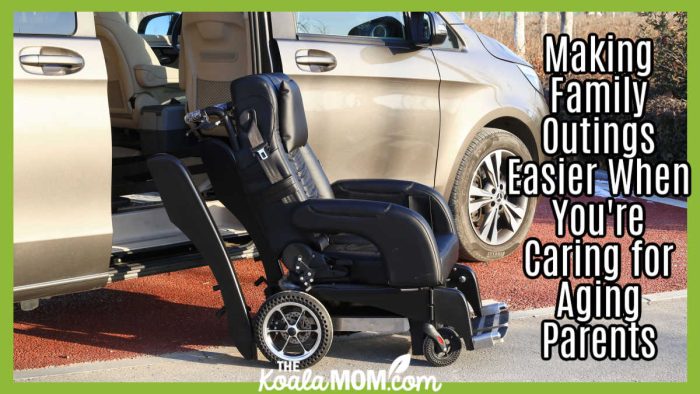
An exterior hitch-mounted lift offers another option. It attaches to the back of your vehicle and provides a platform for transporting mobility equipment outside the passenger cabin. Instead of lifting the device into your trunk, you guide it onto the platform and let the powered lift do the hard work.
Some models use electric or hydraulic mechanisms to raise and lower the platform at the push of a button. Others have a gentle tilt that makes loading easier. These mobility scooter transport solutions can make everything from medical appointments to family visits and weekend getaways more manageable.
For moms juggling childcare and caregiving, that extra help can make a real difference. You can save your energy for the people you’re caring for instead of spending it wrestling with heavy equipment.
Why can lifting mobility equipment be so exhausting?
Caregiving often involves a lot of physical work that nobody really prepares you for. You might help a parent in and out of a vehicle, carry groceries, manage household chores, and then discover that you also need to lift a wheelchair or fold up a heavy ramp before you can go anywhere.
Loading mobility equipment into a regular vehicle can involve awkward bending, twisting, and reaching over the trunk. Repeating these movements can leave your back, shoulders, and arms sore. Over time, the strain may contribute to injuries that make your caregiving responsibilities even harder.
There’s also the mental and emotional side of it. When getting everyone ready for an outing already involves coordinating medications, snacks, bathroom breaks, and the kids’ needs, struggling with equipment can add unnecessary stress. You want to spend time with your parents, not arrive at their house already exhausted.
A BraunAbility article on inclusion highlights the physical challenges caregivers face. It’s a reminder that looking after your own well-being matters, too. Finding ways to reduce repetitive lifting isn’t about taking shortcuts; it’s about making caregiving more sustainable for the long haul.
What should you check before installing a hitch-mounted carrier?
Before choosing an exterior lift, make sure it’s compatible with your vehicle and the mobility equipment you need to transport. A little research now can save you frustration later.
- Check your vehicle’s towing and hitch specifications. The hitch receiver needs to support the combined weight of the carrier and the mobility device. Remember that a hitch’s maximum towing capacity isn’t necessarily the same as its permitted tongue weight.
- Consider a swing-away attachment. Depending on the model, a swing-away adapter can move the carrier to the side so you can access your rear hatch or tailgate. Check how much clearance it provides and whether it’s compatible with your lift.
- Look for a stable, secure fit. Anti-rattle devices and stabilizing hardware can help reduce movement and noise while you’re driving. Follow the manufacturer’s installation and weight-limit instructions.
- Think about everyday access. If you regularly load groceries, strollers, sports equipment, or luggage into your vehicle, consider how the carrier will affect access to your cargo area.
If you’re unsure which setup will work for your vehicle, ask a qualified installer or mobility equipment specialist to help you assess your options.
How do you choose the right lift for your family’s needs?
Start with the equipment your parent actually uses. A lightweight manual wheelchair has different requirements from a heavy power wheelchair or a mobility scooter, so you’ll want to choose a lift designed for that specific device.
Think about your family’s usual routine, too. Are you mainly driving to nearby medical appointments, visiting relatives across town, or taking longer road trips? How often will you load and unload the equipment? Will you need to transport more than one mobility device?
You’ll also want to consider how the equipment stays in place during travel. Depending on the lift, compatible tie-down straps or retractable securement systems can help keep the device stable. Make sure the securement method is approved for your particular equipment and carrier.
It’s worth looking beyond the initial installation, as well. Consider how easy the system is to operate, whether you can manage it comfortably on your own, and what maintenance it may require. The best option is one that fits into your family’s real life, not just one that looks good on paper.
How can you protect mobility equipment from rain and road debris?
When you transport a wheelchair or scooter outside your vehicle, it’s exposed to the elements. Rain, road grit, and winter salt can damage finishes and affect sensitive components, depending on the device.
A fitted weather cover can help protect equipment during travel, provided it’s suitable for the particular wheelchair or scooter. Secure it according to the manufacturer’s instructions so it doesn’t flap in the wind or come loose on the road. Check the equipment manufacturer’s guidance, too, since some devices have specific restrictions on covering electrical components or control systems.
You’ll also need to consider visibility and road safety. An exterior carrier may obstruct your vehicle’s license plate, brake lights, or turn signals. If that happens, you may need an auxiliary lighting kit and a license plate bracket that keeps the plate visible. Check local regulations and have the setup inspected if you’re unsure what’s required.
Finally, remember that an outdoor carrier doesn’t replace proper equipment care. Check the device after trips, especially in wet or winter conditions, and follow the manufacturer’s recommendations for cleaning and maintenance.
Make more room for the moments that matter
Caring for aging parents while raising children can feel like managing two full-time jobs. There are appointments to keep, family schedules to coordinate, and plenty of little tasks that somehow become big ones when you’re already stretched thin.
Making transportation easier won’t solve every caregiving challenge, but it can remove one of the more physically demanding parts of getting out and about. An appropriate hitch-mounted carrier or automated lift can help you transport mobility equipment with less strain, while keeping the inside of your vehicle free for passengers and everyday essentials.
Most importantly, it can make family outings feel more doable. Whether you’re heading to a medical appointment, attending a school event together, or planning a weekend visit, you deserve to have enough energy left to enjoy the time you spend with your parents.
No Responses Yet