


Baby teeth start appearing earlier than many new parents expect. Protecting those tiny milk teeth sets a strong foundation for a lifetime of healthy smiles, because early preventive care stops painful tooth decay and helps little ones chew comfortably. Taking simple daily steps now makes oral hygiene second nature as your child grows.

Early Care Starts before the First Tooth
Caring for a newborn’s mouth begins long before the first pearly white pops through the gums. Wiping down infant gums with a clean, soft cloth after feedings removes lingering milk sugars. This simple routine cleans the mouth and gets babies accustomed to daily oral hygiene.
Milk residue can cling to gums and feed harmful oral bacteria if left untreated. Wiping the gums twice daily establishes a consistent habit before teeth even emerge. Soft silicone finger brushes work well to massage tender gums during early teething phases.
Many parents wait until several teeth appear before thinking about professional checkups. A pediatric health guide recommends taking an infant to a dental professional within 6 months of their first tooth or by 12 months of age. Early checkups allow professionals to spot early signs of decay and offer tailored advice.
Finding a Dentist Early On
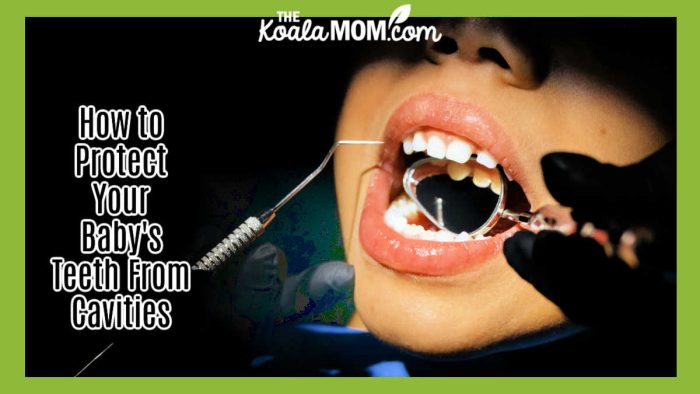
First visits set a relaxed tone for future dental appointments. Scheduling a meeting with a dentist for infants helps parents address concerns about teething and proper oral habits early. Pediatric offices feature child-friendly spaces designed to keep little ones calm during exam routines.
Early appointments give providers a chance to inspect tooth alignment and jaw development. Practitioners answer questions about pacifier use, bottle feeding, and nighttime routines. Starting care early keeps small issues from becoming bigger problems later.
Pediatric dental teams specialize in gentle examination techniques made for squirmy babies. They guide parents on proper brushing angles and recommend infant-safe cleaning tools. These early visits build trust so young children feel comfortable returning every 6 months.
Daily Cleaning Habits for Tiny Mouths
Brushing should begin as soon as the first tooth breaks through the gumline. A soft baby toothbrush works best for cleaning small enamel surfaces gently. Gentle circular motions clear away plaque without causing discomfort to tender gums.
Parents often wonder how much toothpaste to squeeze onto the bristles. Expert advice from a leading medical research institute notes that children under 3 years old only need a tiny smear of toothpaste about the size of a grain of rice. Swallowing too much fluoride can lead to mild spotting on emerging teeth.
Establishing a regular brushing schedule twice every day forms a lifelong pattern. Morning and bedtime cleanings keep enamel free of buildup while children sleep. Parents should supervise all brushing sessions until children develop enough dexterity to brush independently.
Dietary Choices That Keep Cavities Away
What goes into a baby’s bottle plays a massive role in protecting new enamel. Sugary liquids like juice, flavored milk, or sweetened drinks coat teeth in sugar for extended periods. Bacteria feed on these sugars and produce acids that break down enamel.
Putting a baby to bed with a bottle filled with anything other than water increases cavity risks dramatically. Building healthy oral habits early sets kids up for strong teeth throughout life. Simple daily steps protect young teeth from early decay:
- Swap sugary juices for plain tap water during daytime feedings.
- Clean gums and teeth right after morning and evening meals.
- Avoid letting infants sleep with a bottle in their crib.
Snack choices affect pediatric dental health as infants start trying solid foods. Fresh vegetables and plain water support healthy enamel development far better than sticky processed snacks. Offering healthy choices early shapes positive eating habits for years to come.
Consistent care during infancy pays off as your child grows into a toddler. Taking simple preventive steps safeguards primary teeth and creates positive dental experiences. Parents who make oral health a daily focus give their children a strong start toward lifelong healthy smiles.
No Responses Yet