


The most sustainable, easy natural living swaps involve gradually replacing daily items like plastic food storage, synthetic cleaning sprays, and commercial pet diets as they empty, rather than purging an entire house in one weekend.
Articles demanding you immediately overhaul the pantry and bathroom cabinet simultaneously only create deep overhaul fatigue.
Adopting a slow, step-by-step approach allows these physical changes to hold up under the pressure of a busy schedule. This family made seven specific replacements over several months, moving from the lowest friction to the most impactful.

1. Natural Toothpaste for the Whole Family
Updating the sink routine requires minimal physical effort while heavily reducing daily chemical exposure. Conventional paste stands out as one of the few personal care products children use twice a day and regularly swallow. This creates a direct ingestion pathway that shampoo or body lotion lacks.
Health guidelines state that toddlers under age three should use an amount of paste no larger than the size of a grain to minimize ingestion risks.
Switching to Wellnesse’s natural toothpaste for the whole family with a hydroxyapatite-powered formula that remineralizes enamel without synthetic dyes introduces a much better ingredient profile. A mineralising option in appealing flavors like strawberry or vanilla berry makes this the easiest repeat purchase in the bathroom cabinet.
The children never even notice the change, providing a practical proof point for clean living for families. Using third-party certifications like EWG Verified or backing from a Dental Advisory Board helps filter this category quickly. These labels highlight formulas that deliver clinical credibility without extra additives.
| Key Insight: Children swallow toothpaste twice daily, giving it a direct ingestion pathway unlike shampoo. Swapping to a fluoride-free, hydroxyapatite formula reduces this daily chemical load significantly. |
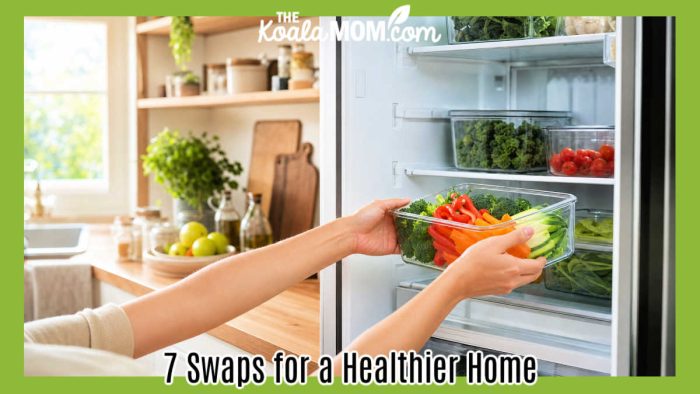
2. Glass Food Storage Instead of Plastic
Switching containers represents the lowest-friction entry point because you simply replace cracked or warped plastic items as they naturally wear out. Prioritize buying glass alternatives specifically for holding hot leftovers or long-term freezer items first. The cold-storage plastic bins can be cycled out later.
Glass naturally resists absorbing lingering food odors, tomato stains, or greasy residue over months of heavy use. Tempered glass containers also stack more securely on refrigerator shelves without buckling. As a result, the lunchboxes eventually stop coming home smelling faintly of last Tuesday’s garlic pasta.
3. What the Family Pet Eats
Pet food ingredient standards sit significantly lower than human food regulations across the board. By-products, starchy fillers, and synthetic additives that would never reach the dinner plate remain standard in commercial kibble. Finding healthy pet food alternatives requires looking past marketing claims on colorful bags.
Moving to human-grade frozen raw meals provides complete formulations that require zero cooking. Facilities earning a human-grade claim must prove that all ingredients and raw materials are fit for human consumption.
Setting up a recurring raw pet food delivery from Viva Raw takes minutes and removes pet nutrition from the weekly mental load entirely.
Single-protein recipes effectively support pets dealing with specific food sensitivities, while visible whole-food chunks confirm exactly what fills the bowl. The immediate sensory changes in coat quality, steady afternoon energy levels, and firmer stool consistency provide clear results.
| Key Insight: Pet food ingredient standards sit far below human food regulations, allowing by-products and fillers banned from human plates. Human-grade raw meals can transform coat quality, energy, and stool consistency. |
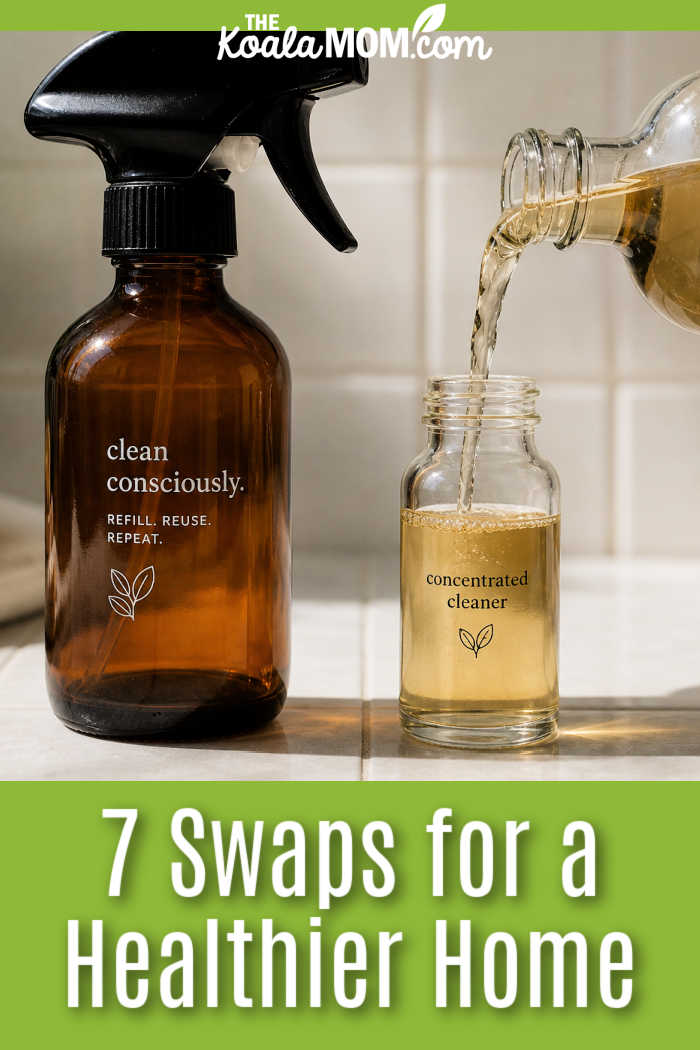
4. Cleaning Concentrates Over Single-Use Sprays
Conventional cleaning sprays mostly consist of water packaged in single-use plastic along with synthetic fragrances that offer low value per unit. Buying concentrated formulas requires only one reusable bottle that yields dozens of refills. This approach significantly lowers both cost and packaging waste per surface clean.
Removing synthetic fragrance from daily wipe-downs heavily reduces the airborne chemical load trapped inside enclosed spaces.
Americans spend approximately 90 percent of their time indoors, where the concentrations of some pollutants often run two to five times higher than typical outdoor levels. This adjustment matters significantly when wiping down poorly ventilated bathrooms or sanitizing a nursery.
5. Whole Ingredients Over Processed Options in the Weekly Shop
Adjusting the weekly grocery run works best when treated as a gradual shift in trolley choices rather than a restrictive diet overhaul. Picking up dried black beans instead of canned ready meals or plain yogurt instead of heavily flavored tubs builds a cleaner pantry over time.
Swapping whole rolled oats for instant packets requires no extra cooking knowledge but immediately improves the morning meal.
The accumulation of these small substitutions leaves you with far fewer ingredient labels to manage. Shoppers naturally achieve an incidental reduction in sodium and added sugar without having to actively track either metric. This strategy limits the mental fatigue usually associated with strict meal planning.
6. Air Quality in the Bedroom
Household members spend the most consecutive hours sleeping in their bedrooms, yet these spaces are frequently the last areas evaluated for daily air quality. Swapping synthetic candles and plug-in fresheners for pure beeswax alternatives removes heavy indoor pollutants immediately.
Introducing a HEPA-filter air purifier into children’s rooms helps clear overnight dust accumulation. A compact purifier positioned near the door captures dust before it settles on the bedding.
When outdoor conditions permit, opening a window remains the simplest and cheapest ventilation method available for any household.

7. Natural Skincare for the Children
Children possess a much higher surface-area-to-body-weight ratio than adults, making topical absorption rates a highly relevant factor during bath time.
Parents should evaluate the daily body lotion and foaming wash first. Swap each bottle for a simpler alternative only after the current one runs empty to avoid wasting expensive products.
Many conventional baby washes rely on harsh surfactants that strip natural moisture from sensitive skin. Look strictly for fragrance-free formulas with minimal ingredient counts to limit unnecessary dermal exposure.
Relying on established third-party certifications acts as a highly practical label shortcut in the aisle.
The Bottom Line
None of these seven easy natural living swaps requires a grueling pantry audit or a lost weekend. Each step simply exchanges a product the family already buys for a straightforward alternative.
Adopting a mineralizing oral care formula fits directly into the existing morning sink routine. Receiving frozen single-protein pet meals on a delivery schedule eliminates meal prep work for the dog.
No Responses Yet