


Most homeowners don’t plan to live with an inconvenient bathroom for years. It just happens. A fan that thumps louder than it needs to, a shower that feels cramped, lighting that makes mornings harder than they should be. These things seem minor at first, so they get pushed aside. Over time, they become part of your routine, even though they slow you down every single day.
The surprising part is how often people say the same thing after finally upgrading: they wish they had done it sooner.
I’ve been wanting to upgrade my bathrooms since moving into my duplex three years ago. Two of the bathrooms have original, 40-year-old vanities with no storage organization underneath and the other has a new Ikea vanity that is equally bad for storage and surface clutter. I’ve repainted one bathroom and another still needs that. I’d also love to replace the old linoleum with tiles.
This article breaks down why this upgrade gets delayed, what actually changes when you move forward, and how to approach it the right way.
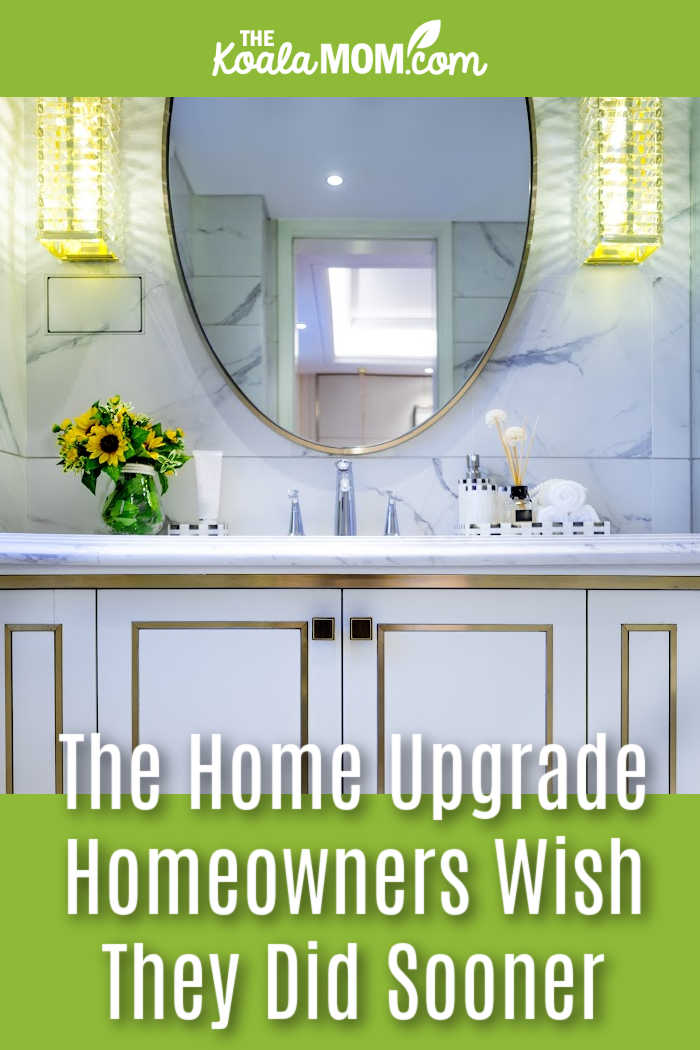
The Daily Annoyances You’ve Learned to Ignore
You probably notice the big issues in your home right away, but smaller problems tend to fade into the background. A bathroom is full of these quiet frustrations. Maybe you don’t have enough counter space, so everything feels cluttered. Maybe the lighting is too dim, making simple tasks harder than they should be, or too bright, making your eyes hurt every single morning as you stumble into the shower before you’ve had any coffee yet. Storage often becomes a guessing game, with items tucked into corners that don’t make sense or requiring you to dig past the pile of spare toilet paper rolls to find the hair spray.
Over time, you adjust your habits to work around these problems. That adjustment feels normal, which is why many people don’t realize how much it affects their routine. The moment you step into a well-designed space, the difference becomes obvious. Daily tasks feel smoother because the space finally supports how you actually live.
What Changes Once You Finally Upgrade
The biggest shift happens in your daily routine. Simple tasks take less effort when the layout makes sense, when there’s a place for everything you need.
Comfort improves in ways people don’t expect. Better lighting makes mornings less stressful. Updated fixtures improve water flow and temperature control. Even small upgrades like improved ventilation can make the space feel fresher. This is where well-planned bathroom remodeling starts to show its real value in everyday use.
There’s also a mental shift. You feel more relaxed in a space that works properly. Instead of noticing flaws, you move through your routine without thinking about the room at all. That kind of ease is what most homeowners appreciate the most.
Looking Beyond Surface-Level Improvements
A lot of people focus on how a bathroom looks, but its function has a bigger impact on everyday use. A space can look modern and still feel frustrating if the layout doesn’t support how you move through it. Good design solves real problems first.
For example, placing storage where you actually need it reduces clutter right away. Proper lighting placement improves visibility instead of creating shadows. Choosing durable materials cuts down on maintenance and prevents early wear.
Safety also plays a role. Slip-resistant flooring, easy-to-reach fixtures, and accessible layouts make a difference over time. These decisions may not stand out at first glance, but they shape how comfortable and practical the space feels every day.
Design Choices that Shape Everyday Use
The way a bathroom is designed directly affects how easy it feels to use each day. Storage placement is one of the biggest factors. When cabinets and shelves sit within reach of where you actually get ready, you avoid clutter building up on counters. I really want vanities with drawers underneath for organization, instead of dumping all the bathroom supplies into one big drawer or one big cabinet.
Lighting also plays a major role. Overhead lights alone often create shadows, especially around mirrors, which makes basic tasks harder. I understand that my teens need bright lights by the vanities to do their makeup, but I’d really like dimmer options in the rest of the bathroom for early morning showers.
Fixture height and spacing matter more than most people expect. A poorly placed sink or tight layout can make the room feel awkward. In my bathrooms, fixtures placed too close to the edge of the sink cause a lot of water to get splashed onto the counters.
Choosing materials also affects daily use. Surfaces that resist stains and moisture reduce cleaning time. These decisions may seem small during planning, but they shape how comfortable and practical the space feels over time. I’ve often grumbled about who on earth designed toilets with so many curves to wipe around (can I get a square toilet, please?).
Mistakes that Lead to Long-Term Regret
Many homeowners focus on appearance first and only realize later that the layout doesn’t support their routine. One common mistake is choosing trendy features without thinking about maintenance. Some materials look great at first but require constant upkeep. Another issue is underestimating storage needs. A clean design can quickly feel cluttered if there’s nowhere to put everyday items.
It’s also worth considering that what’s trendy today may not be trendy in a decade. You want a bathroom that will stand the test of time, not one that you have to redo every decade. While I dislike my 40-year-old vanities, they don’t look that terrible because the fixtures themselves are rather timeless.
Poor lighting choices also create frustration. Relying on a single light source often leaves the space unevenly lit. Ventilation is another area people overlook. Without proper airflow, moisture builds up and leads to long-term damage. Put some thought into how the lights and fans are wired; one of my bathrooms has these wired together, so the light is on when the fan is on (not helpful if you need to run the fan longer to clear a stink) and the fan is on when the light is on (which adds noise to a small space).
Hiring based on the lowest price can also backfire. Inexperienced work often leads to repairs that cost more than doing it right the first time. The one bathroom renovation I have already done is to change the light fixtures, because the original fixtures were installed improperly and could have been a fire hazard.
Clear Signs You’re Ready for a Change
You don’t need a major failure to know it’s time for an upgrade. Frequent small repairs are one of the clearest signs. If you keep fixing leaks, replacing fixtures, or dealing with worn surfaces, the space is no longer holding up well. Another sign is daily frustration. When simple tasks feel inconvenient, the layout likely isn’t working.
Outdated features can also affect comfort. Older designs often lack proper storage, efficient lighting, and modern water control. If you plan to stay in your home for years, it makes sense to improve the spaces you use the most. A bathroom should support your routine without slowing you down. When it doesn’t, that’s a strong signal it’s time to move forward.
What the Renovation Process Looks Like Today
Modern renovation projects are more organized than many homeowners expect. It usually starts with a consultation where your needs and preferences are discussed in detail. From there, a clear plan is created, including layout, materials, and timeline. Good contractors explain each step so you know what to expect.
Installation has also improved over time. Many components are designed for faster and cleaner setup, which reduces disruption in your home. Communication plays a big role throughout the process. Regular updates help avoid confusion and keep everything on schedule. While every project involves some level of adjustment, a well-managed renovation feels controlled and predictable rather than overwhelming.
How this Upgrade Supports Your Home Long-Term
A well-planned upgrade improves how your home functions every day. It reduces the need for constant repairs and lowers the chance of issues like leaks or poor ventilation. Durable materials last longer and hold up better under daily use. This means fewer replacements and less
maintenance over time.
It also makes your home easier to live in as your needs change. Features like accessible layouts and better lighting continue to add value as the years go by. While resale value can improve, most homeowners benefit from the daily comfort first. A space that works well stays useful for years, which makes the investment feel worthwhile long after the project is complete.
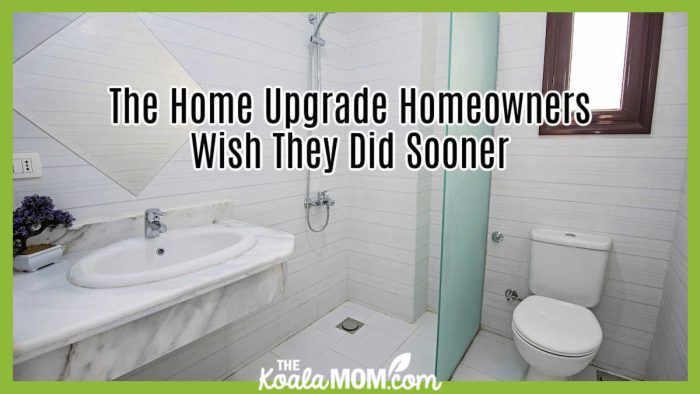
Many homeowners live with the same bathroom issues for years because they seem manageable. Over time, those small problems add up and affect daily comfort more than expected. Once the upgrade is complete, the difference becomes clear right away. Tasks feel easier, the space works better, and the frustration disappears.
Delaying the decision often means putting up with inconvenience longer than necessary. A well-planned upgrade improves how your home functions without adding extra stress when done correctly. If your current space feels outdated or difficult to use, it’s worth taking a closer look. Making the change sooner allows you to enjoy the benefits every day instead of waiting for the right moment.
No Responses Yet