


Have you ever ignored a tiny crack in the wall because life felt too busy to deal with it? Most homeowners have done exactly that at some point. Between rising grocery bills, endless app notifications, and the modern habit of postponing everything until “next weekend,” home maintenance often slips down the list. Yet many of the biggest safety risks inside North American homes start with small structural problems that quietly grow worse over time, especially as stronger storms and aging infrastructure become more common across the country.
Why Small Problems Turn into Big Repairs
Modern homeowners live in a strange era where people will track every step on a smartwatch but ignore water stains spreading across a ceiling. Structural maintenance rarely feels exciting because there is no dramatic payoff. Nobody posts a photo online celebrating a repaired support beam. Still, small issues often lead to dangerous conditions if left alone for months or years.
A loose gutter can redirect rainwater toward the foundation. A tiny roof leak can rot wooden framing. Cracked concrete can allow moisture to weaken basement walls during freeze and thaw cycles. The National Association of Home Builders has repeatedly warned that deferred maintenance is one of the leading causes of expensive residential repairs in the United States. The damage usually grows quietly until homeowners face a bill that feels more painful than preventive care ever would have been.
Roof Maintenance Matters More than Ever
Across the country, weather patterns have become harder to predict. Heavy rainstorms, sudden wind gusts, and intense summer heat place constant pressure on residential roofs. Many homeowners only think about roofing after shingles start flying into the neighbor’s yard like oversized playing cards during a storm.
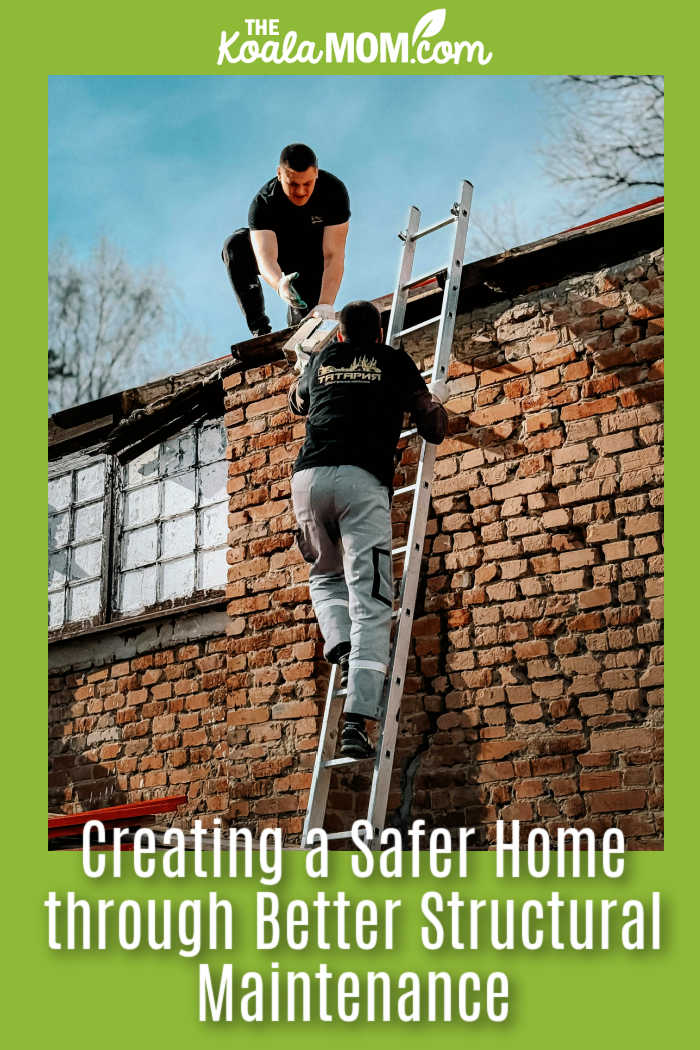
Many residents rely on experienced roofing contractors in Cherry Hill NJ, to inspect flashing, ventilation systems, and drainage before seasonal weather causes major damage. Preventive inspections often reveal soft spots, hidden leaks, or clogged gutters that would otherwise remain unnoticed. A roof does far more than keep people dry. It protects insulation, electrical wiring, attic framing, and indoor air quality. Ignoring roof problems can create a chain reaction that affects nearly every part of a home.
Foundations Quietly Hold Everything Together
Foundation problems rarely announce themselves with dramatic movie-style cracks splitting through living room floors overnight. Most warning signs appear gradually through uneven doors, sloping floors, or gaps around windows. Homeowners often blame these issues on “old house quirks,” which sounds charming until repair estimates arrive.
Changing climate conditions have increased stress on foundations in many states. Long dry periods shrink the soil while sudden heavy rainfall expands it rapidly. This constant movement creates pressure against basement walls and footings. Installing proper drainage systems, extending downspouts away from the home, and sealing visible cracks can prevent long-term instability. Regular inspections become especially important in older neighborhoods where many homes were built decades before modern waterproofing standards existed.
Moisture Is the Real Villain
People often imagine structural damage as dramatic collapse scenes from disaster movies, yet moisture causes far more problems than sudden accidents. Water quietly weakens wood, corrodes metal fasteners, and encourages mold growth behind walls. In many homes, hidden moisture damage spreads for years before anyone notices a musty smell or warped flooring.
The irony is that Americans spend billions every year on scented candles and air fresheners while ignoring the damp conditions causing those odors in the first place. Moisture control starts with practical habits like checking plumbing connections, cleaning gutters, inspecting caulking around windows, and running exhaust fans in bathrooms. Dehumidifiers also help reduce excess indoor humidity, especially in basements during humid summers. Small actions consistently prevent large structural headaches later.
Older Homes Need Extra Attention
Older homes often carry a sense of charm that newer construction struggles to match. Original hardwood floors, decorative trim, and unique layouts attract buyers looking for personality. Unfortunately, aging structures also come with outdated materials and decades of hidden wear.
Electrical systems in older homes may not support modern energy demands safely. Wooden support beams can weaken from long-term moisture exposure. Masonry may begin deteriorating after years of freeze and thaw cycles. Homeowners should schedule professional inspections every few years to identify hidden vulnerabilities before they become emergencies. Preservation works best when maintenance stays proactive rather than reactive. Waiting until a visible failure occurs usually means repair costs increase dramatically.
Storm Preparedness Starts Before the Forecast
Recent years have shown how quickly severe weather can disrupt entire communities. Hurricanes, flash floods, and intense winter storms have caused billions in property damage nationwide. Structural maintenance has become part of emergency preparedness, not just cosmetic upkeep.
Securing loose shingles, trimming overhanging tree branches, reinforcing garage doors, and checking sump pumps all reduce storm-related risks. Backup power systems also protect homes during outages, especially when heavy rainfall threatens basement flooding. Many homeowners focus on stocking bottled water and batteries before storms while overlooking the condition of the structure itself. A home functions as the first layer of protection during extreme weather, so maintaining it properly directly supports family safety.
Neglect Often Costs More than Prevention
One reason people delay structural repairs is simple financial anxiety. Homeowners already face rising insurance premiums, expensive utility bills, and unpredictable repair costs. Spending money on preventive maintenance feels frustrating when no visible crisis exists. Yet postponing repairs usually increases expenses significantly over time.
A minor plumbing leak might cost a few hundred dollars to fix today, but lead to thousands in mold remediation and flooring replacement later. Replacing damaged flashing early costs far less than rebuilding rotted roof decking. Preventive maintenance also helps preserve property value, which matters in competitive housing markets. Buyers increasingly request detailed inspection reports before closing deals, especially as awareness about hidden structural problems continues growing.
Creating a safer home rarely requires glamorous renovations or luxury upgrades. It usually comes down to consistent attention, practical inspections, and a willingness to address small issues before they become dangerous. In a culture that often rewards quick fixes and endless distractions, structural maintenance represents something surprisingly valuable: long-term thinking.
No Responses Yet