


Cold weather changes the rhythm of family life. There are more layers to put on, more wet things to dry, and more decisions about whether an outdoor plan is worth braving the wind or snow. If you have a dog, winter adds another family member to that routine.
The good news is that keeping your dog comfortable does not have to mean filling a closet with seasonal pet products. A few thoughtful habits, the right layer for the right conditions, and some flexible family routines can make cold-weather care much easier.
Here are seven practical ways to help your family dog stay warm, active, and comfortable through winter without making pet care more complicated than it needs to be.
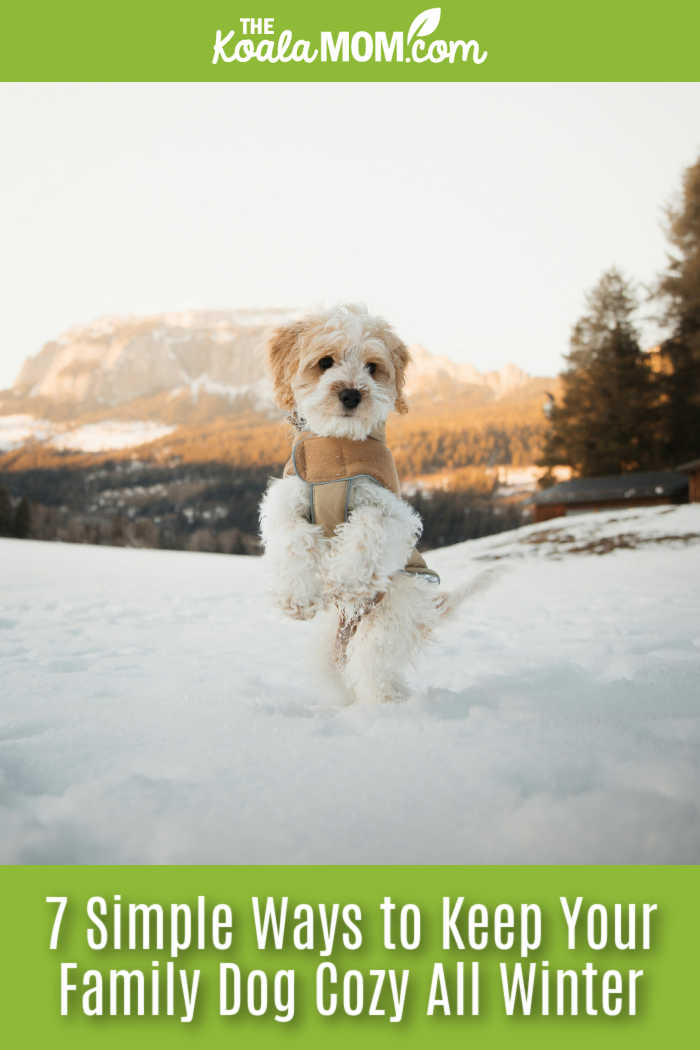
1. Make Winter Dog Care Part of the Family Routine
Cold-weather days already require extra planning for families: coats, boots, school bags, wet mittens, and the usual rush to get everyone out the door. Adding a dog to the mix can make mornings and after-school walks feel even busier, so it helps to give your pet a simple winter routine too.
Keep the leash, a dog towel, waste bags, and any cold-weather gear in one easy-to-reach spot near the door. Before heading out, check the temperature, wind, and conditions rather than relying on the same walking plan every day. If your children are old enough to help, give them small jobs such as grabbing the towel, filling the water bowl, or putting toys away after indoor play.
A predictable routine makes winter care easier for everyone and can also help you notice when something is missing before you are already standing outside in the snow.
2. Choose a Light Layer for Cool, Dry Days
Not every winter outing calls for a heavy coat. On a crisp but dry day, some dogs may be perfectly comfortable with their natural coat, while others – especially small dogs, short-haired breeds, older dogs, or dogs that simply dislike the cold – may appreciate a little extra warmth.
For those milder days, a cozy dog hoodie for everyday chilly walks can be an easy layer for neighbourhood strolls, school-run tag-alongs, or a quick trip into the yard. The important thing is fit: your dog should be able to walk, sit, stretch, and use the bathroom without the clothing pulling, bunching, or restricting movement.
Choose something washable and practical rather than treating every change in weather as a reason to buy a new outfit. One comfortable layer that gets used often is usually more useful than a drawer full of seasonal pieces.
3. Use a More Protective Layer When the Weather Turns
Wind, wet snow, slush, and freezing drizzle can change what your dog needs outside. A soft indoor-style layer may add warmth, but it will not do much to keep a dog dry on a messy winter walk.
When the forecast is rougher, a weather-ready dog coat or jacket can make more sense for dogs that need extra protection. Look for coverage across the back and chest, enough room for natural movement, and a design that stays in place once your dog starts walking. Water resistance can also be useful if your winters tend to be wet rather than simply cold.
You do not have to dress every dog the same way. Pay attention to how your own pet responds outdoors and choose gear based on the conditions you actually face as a family.
4. Set Up a Paw-Cleanup Spot by the Door
One of the least glamorous parts of winter dog ownership is what comes back inside on four paws. Snow, mud, grit, and sidewalk residue can quickly spread through an entryway, especially when children are coming in at the same time.
A simple cleanup station can save a lot of frustration. Put an absorbent mat near the door and keep an old towel or washable cloth within reach. After a walk, wipe your dog’s paws and take a quick look between the toes for packed snow, irritation, or anything that looks uncomfortable.
This is another routine kids can help with, although an adult should handle the actual paw check. If you notice persistent redness, limping, or a sore spot that does not improve, contact your veterinarian rather than trying to solve it with more gear.
5. Change the Walk When the Weather Is Miserable
Families are used to adjusting plans around weather, and dog walks can be flexible too. On bitterly cold, windy, or icy days, several short outings may be more comfortable than one long walk. If possible, go out during the warmer part of the day and choose routes that are less exposed to wind or heavily treated sidewalks.
Watch your dog instead of trying to reach a fixed number of minutes. Shivering, repeatedly lifting paws, slowing down, or trying to head home are good reasons to shorten the outing.
A shorter walk is not a failed walk. You can make up some of the activity indoors, and sometimes getting everyone home warm and dry is the most sensible choice.
6. Turn Indoor Exercise Into Family Time
Bad-weather days are a good excuse to involve the kids in your dog’s enrichment. You do not need expensive puzzle toys to keep a dog busy for a little while indoors.
Try hiding a few pieces of your dog’s regular kibble around one room and letting your dog sniff them out. Practice simple cues such as sit, stay, touch, or come for a few minutes. You can also rotate familiar toys so they feel more interesting, or create a small supervised obstacle course with cushions, boxes, and safe household items.
Children can hide a favourite toy, help set up a scent game, or take turns practising an easy training cue with adult supervision. It gives your dog mental stimulation while also creating a small family activity for days when nobody wants to be outside for long.
7. Take Care of the Gear You Already Own
Winter pet care gets expensive when useful items are constantly being replaced. A little maintenance can stretch the life of the things you already have.
Let damp clothing dry completely before storing it. Wash mud and salt residue according to the care instructions, check straps and seams now and then, and keep the dog’s winter items together in one basket or bin. At the end of the season, clean everything before putting it away so it is ready for the first cold day next year.
This also makes it easier to see what you genuinely need before shopping again. You may find that one dependable hoodie, one protective coat, a couple of old towels, and a few good routines cover most of the season.

A Winter Routine that Works for the Whole Family
The best winter setup is the one your family can actually keep up with. Pay attention to your dog’s comfort, adapt walks to the weather, make indoor play part of the plan, and spend selectively on items that solve a real problem.
When the routine is simple, everyone benefits: your dog stays more comfortable, the entryway stays a little cleaner, and winter outings feel less stressful for the humans holding the leash.
No Responses Yet