


Picking window treatments sounds easy enough—until you’re standing in a showroom surrounded by dozens of fabric samples and suddenly wondering whether you actually know anything about curtains. I’ve definitely found that choosing something that looks pretty is only half the battle. You also need to think about how much light you want, how much privacy the room needs, whether the windows make the room too hot or cold, and how much wear and tear the treatment will get.
The right choice can make a room more comfortable and functional, while the wrong one can leave you wishing you’d chosen differently a year later. Before you get distracted by colors and patterns, start by thinking about what you actually need the window treatment to do.
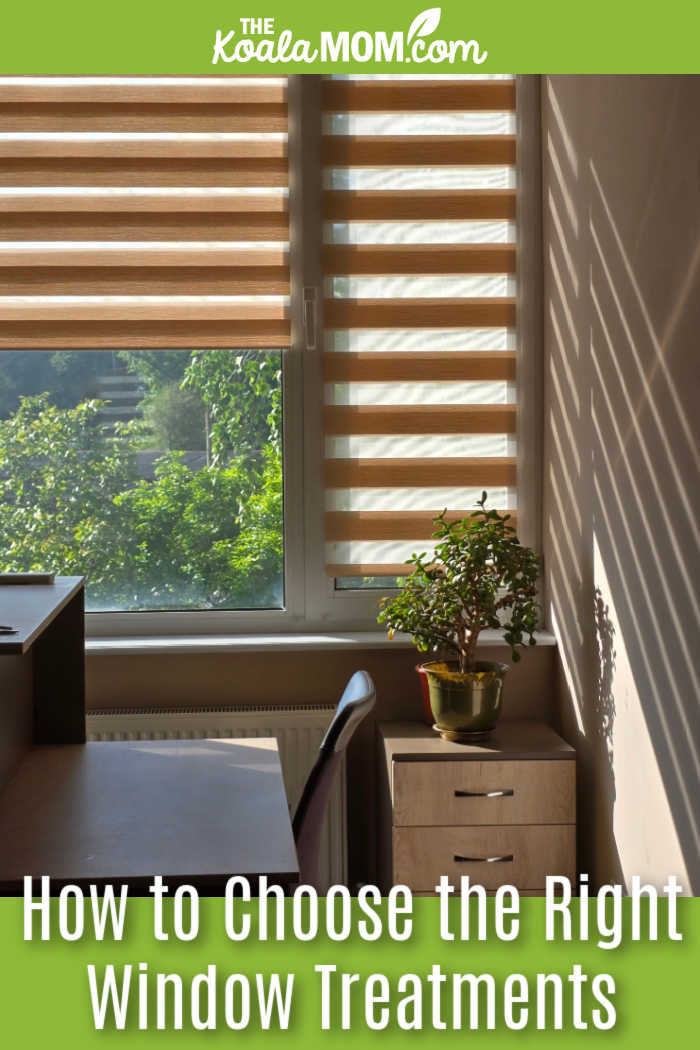
Start with What the Room Needs Most
Every room has different priorities. A bedroom might need serious blackout coverage if you—or your kids—sleep better in a dark room. A kitchen treatment needs to stand up to splashes, cooking grease, and frequent cleaning. In a living room, you may want to let plenty of natural light in while still having enough privacy in the evening.
Before you start shopping, make a quick list for each room:
- Bedroom: Do you need blackout or room-darkening shades?
- Kitchen: Will the treatment be easy to clean and safely away from the stove?
- Living room: Do you want to maximize natural light, increase privacy, or both?
- Bathroom: Can it handle humidity without becoming a maintenance headache?
- Children’s rooms: Is it durable enough to survive everything your kids are likely to throw at it?
Starting with function makes the rest of the decision much easier. Once you know what a window treatment needs to do, you can narrow down the colors, fabrics, and styles that will actually work in your home.
The prettiest option isn’t necessarily the best option. A beautiful curtain that lets bright morning sunlight pour into your bedroom at 6 a.m. might look fantastic in the showroom, but you’ll feel differently about it when you’re trying to get another hour of sleep.
When I replaced my windows, I went with nearly the same window treatment on every window: cordless blinds. However, three bedrooms have blackout blinds. One of my daughters says early morning light doesn’t bother her, so she has curtains over blackout blinds (if she wants them). The other room has a blackout curtain and then a more decorative curtain over top.
Understand the Real Cost of Bare or Poorly Fitted Windows
Window treatments aren’t just about making a room look finished. Your windows can also be one of the weaker points in your home’s insulation. According to the Department of Energy’s guide, about 30% of a home’s heating energy can be lost through windows, while tightly installed cellular shades can reduce that heat loss by 40% or more.
That doesn’t mean you need to cover every window in your house with the most expensive insulating shade you can find. It does mean that the right window treatment can do more than look pretty. In a room that gets especially cold in winter or hot in summer, a well-fitted shade or curtain can make the space more comfortable while potentially helping with energy costs.
Pay particular attention to older or drafty windows. If you can feel cold air around a window in the winter or notice that a room heats up quickly in the summer, look for treatments designed to provide an additional insulating layer. And make sure they’re properly fitted—a beautiful shade with large gaps around the edges isn’t doing nearly as much as it could.
Work Through Your Light-Control Options
One of the easiest mistakes to make is assuming every window needs the same treatment. Think about what you actually want to do in the room. A kitchen might benefit from lots of natural light, while a bedroom may need to block nearly all of it. While I did put cordless blinds both upstairs and downstairs, the blinds upstairs do more to block the light than the blinds downstairs, which merely need to maintain privacy.
Here are some common options:
- Sheer fabrics: Let in plenty of soft, filtered daylight while offering some visual privacy.
- Light-filtering shades: Reduce glare while keeping the room relatively bright.
- Room-darkening shades: Block considerably more light without necessarily making the room completely dark.
- Blackout curtains or shades: Best when you really want to control light, such as in bedrooms, nurseries, or media rooms.
You don’t necessarily have to choose just one. Layering can give you much more flexibility. For example, sheers behind heavier curtains let you enjoy natural light during the day while giving you more privacy and light control when you need it.
And if you’re a parent, don’t underestimate the value of good light control in children’s bedrooms. Being able to make a room darker for an afternoon nap—or keep early summer sunshine from waking everyone at 5:30 a.m.—can make a surprisingly big difference.
Factor in Maintenance Before You Buy
Before you fall in love with a particular window treatment, ask yourself one important question: How much work am I actually willing to put into keeping it looking nice?
Some treatments look beautiful but come with more upkeep than most busy households really want. Heavy drapes can collect dust and may need periodic dry cleaning, while cellular shades can collect dust inside their honeycomb-shaped pockets and require careful vacuuming. After some recent water damage in our home, we had to clean water stains out of our blinds. Thankfully, the fabric washed up much more easily than I expected.
If you’d rather spend your weekend doing something other than cleaning blinds, consider lower-maintenance options such as:
- Faux wood blinds: Easy to wipe down and practical for busy rooms
- Vinyl or PVC shutters: Moisture-resistant and relatively simple to clean
- Washable fabric shades: A good option when you want a softer look without committing to professional cleaning
And if you have kids or pets, think about what your window treatments are likely to encounter. A washable shade that can survive sticky fingers and the occasional muddy-paw incident may be a much better choice than a delicate fabric that looks beautiful but needs to be treated like fine art. My white blinds have a few dark edges where the cat pushes his way past to sit on the windowsill.
Consider Motorization for Hard-to-Reach Windows
Some windows are difficult to operate simply because of where they’re located. If you’ve ever dragged a chair across the room to reach a high window, you already understand the appeal of motorized shades.
They’re particularly useful for tall windows, skylights, or windows tucked behind furniture. Instead of reaching, stretching, or finding a step stool every time you want to adjust the light, you can operate the shade with a remote or app.
Smart shades can take things a step further by following a schedule. For example, you could have them close during the hottest part of a summer afternoon and open again when the sun is less intense. That’s one less thing to remember, which is a pretty good feature for a busy household.
Budget for Quality Where It Matters
It can be tempting to look at the price tag and choose the least expensive option for every window. But if a treatment starts sagging, fading, breaking, or otherwise looking worn after only a few years, replacing it isn’t really a bargain.
You don’t necessarily have to spend a fortune on every window, either. Prioritize the windows where the difference will matter most. Large south- or west-facing windows may be worth investing in because of their sun exposure, while bedroom windows may deserve more attention if blackout and privacy are important to you.
For less critical windows, there’s nothing wrong with starting with a simpler option and upgrading later when the budget allows. You don’t have to finish the entire house in one weekend. For example, when I first installed blinds in my home, I didn’t install blinds in two bedrooms, because those kids didn’t want blinds. I’ve since added blinds to one bedroom window (when we changed where the kids slept) but the other still has only curtains.
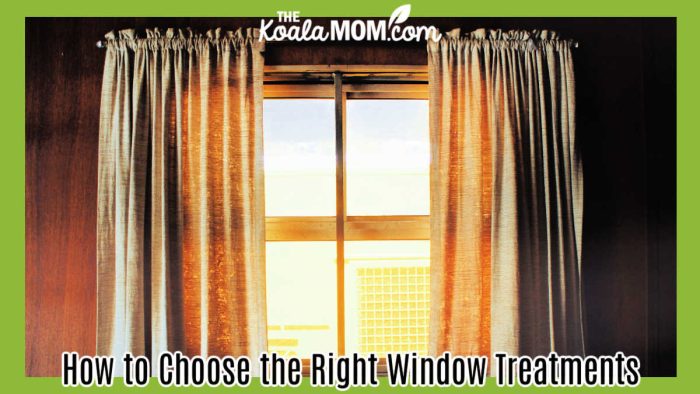
Make the Final Decision Room by Room
There isn’t one perfect window treatment for every window in your home. A humid bathroom, sunny living room, dark bedroom, and busy kitchen all have different requirements.
Instead of trying to choose one style for the entire house, walk through each room and think about what you actually need from its windows. How much light do you want? How much privacy do you need? Will the treatment get wet, dusty, or covered in fingerprints? Is the window difficult to reach? How much maintenance are you realistically willing to do?
Once you’ve answered those questions, the options become much easier to narrow down.
And that’s really the goal: not just choosing window treatments that look good when they’re brand new, but choosing ones that continue to work for the way your family actually lives.
No Responses Yet