


If you’ve ever heard a mysterious thump in the attic right after bedtime, you know how fast a cozy home can feel a little less cozy. In neighborhoods where mature trees and wooded neighborhoods provide plenty of habitat for squirrels, raccoons, and other wildlife, these surprise visitors are more common than many homeowners realize.
The good news is that you don’t need to become a backyard detective in a safari hat. A few simple habits can help you spot trouble early and make your home much less inviting to uninvited furry guests.
Why Animals Show Up
Wild animals usually aren’t trying to be rude house guests. They’re looking for the same basic things you are: food, water, and a safe place to rest. If your yard has overflowing trash, pet food on the porch, or tree branches touching the roof, your home can start to look like a pretty sweet deal.
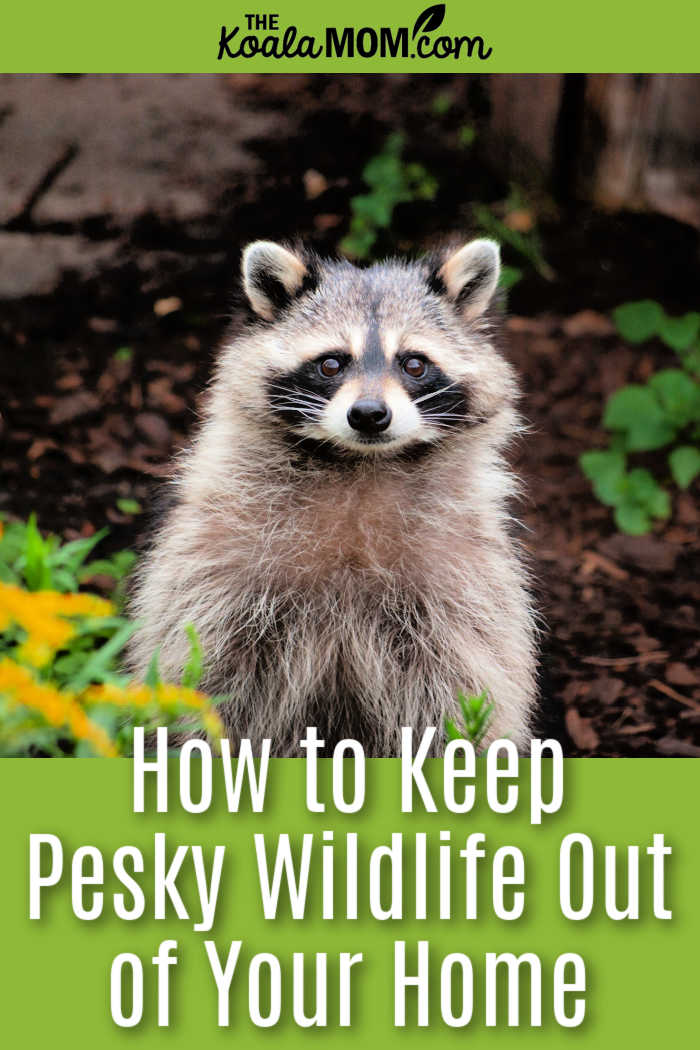
For example, in one home where my trash cans were in a carport underneath my room, I woke up one night to hear thumping below. I went downstairs to look out the back door and found a raccoon sitting on top of my compost bin. I’d only connected one latch on the bin, so the enterprising fellow was trying to lift the other corner and get at the food scraps. After that, I made sure to secure the bins, and he didn’t return.
Season changes also matter. In colder months, attics and crawl spaces feel warm and protected. In spring, some animals look for quiet spots to have babies. That means your garage, chimney, or shed may seem perfect from their point of view.
Neighborhood design plays a part too. Homes near woods, creeks, parks, or even thick landscaping often see more wildlife activity. You don’t need to live in the middle of nowhere either. Raccoons, squirrels, skunks, and other critters do just fine in busy suburbs. They’re basically tiny opportunists with very good climbing skills.
First Signs to Notice
A wildlife problem often starts small. You might hear scratching, rustling, or light thumping in the walls or ceiling, especially early in the morning or after dark. Sometimes the first clue is a weird smell that doesn’t go away, even after you’ve taken out the trash and blamed the dog.
Other signs are easier to see. Look for droppings, chewed cardboard, torn insulation, or little entry gaps around vents and roof lines. Pets can also tip you off. If your cat keeps staring at one corner of the ceiling like it holds the secrets of the universe, something may be moving up there.
If the signs keep coming back, it may be time to talk with the professionals about what to do. For example, a wildlife removal company in Vestavia Hills can help you handle animal intrusions safely and quickly. That makes sense when you’re dealing with something more serious than one strange noise, and you want to protect both your home and your family.
Spots to Check
Some parts of your home are prime wildlife real estate. Attics are at the top of the list because they’re warm, dark, and usually quiet. (My brother recently found a colony of bats in his attic.) Roof edges, vents, and soffits can give animals a sneaky way in. If you haven’t looked up there in a while, it’s worth a careful check from the ground or during a home maintenance day.
Crawl spaces are another common hideout. They stay out of sight and often have small openings nearby. Garages and sheds can attract animals too, especially if you store birdseed, grass seed, or pet food inside like I do.
Don’t forget the outside areas close to the house. Check under decks, around trash bins, near chimney openings, and behind dense shrubs. These spots offer cover and can be easy places for animals to settle in before trying to move closer. A quick walk around your home every few weeks can help you catch little problems before they become full-blown wildlife soap operas.
Simple Prevention Habits
The best prevention steps are usually the least dramatic. Start with food sources. Keep trash can lids tight, clean up fallen fruit, and bring pet food indoors. If you feed pets outside, don’t leave leftovers sitting around like an open dinner invitation. I use plastic bins inside my shed to store the pet food, bird seed, grass seed, and bunny’s hay, to keep it away from any possible pests.
Next, look at your yard. Trim tree branches away from the roof and cut back shrubs near the house. This makes it harder for animals to climb, hide, and scope out entry points. If you have bird feeders, place them away from the house and clean up spilled seed below.
It also helps to inspect your home for gaps. Check around vents, eaves, utility lines, and doors. Even small openings can become welcome mats for determined critters. Keep firewood off the ground and away from the house when possible.
A simple family checklist can work wonders:
- secure trash weekly
- trim branches seasonally
- check for gaps monthly
- listen for new noises
None of this has to be perfect. The goal is just to make your home less convenient for wildlife.
What Not to Do
When you suspect an animal is inside your home, your first instinct may be to fix it fast. That’s understandable, but rushing can make things worse. One common mistake is sealing an entry hole before you know whether the animal is still inside. That can trap the pest in your attic or walls, which usually leads to more damage and a much worse smell.
It’s also smart to avoid handling wild animals yourself. Even smaller animals can bite, scratch, or carry parasites. Homemade solutions can create problems too, especially if you use unsafe traps or chemicals around children and pets.
Another mistake is ignoring the issue because the sound stopped for a day or two. Wildlife activity often comes and goes. Quiet doesn’t always mean gone. Just because we don’t see the rats, skunks or raccoons during the day doesn’t mean that they aren’t around.
If you’re ever unsure, pause before turning into a weekend wildlife warrior. This is one of those home problems where “I watched a video once” may not be the best plan.
When to Get Help
Sometimes prevention is enough, and sometimes you need backup. If you hear repeated noises in the walls or attic, see droppings regularly, or notice damage around entry points, it’s wise to bring in professional help. The same goes for nests, baby animals, strong odors, or any situation that feels unsafe.
This matters even more if anyone in your home has allergies, asthma, or a weaker immune system. Animal waste and nesting materials can affect indoor air quality, and that’s not something to shrug off.
Professional help can also be useful when the problem seems solved but keeps returning. Recurring wildlife issues often point to an access spot you haven’t found yet. A proper inspection can connect the dots and help you avoid repeat visitors. For example, my strata has an ongoing contract with a pest removal company to inspect for and trap the rats in our area.
Your home doesn’t need to be perfect to stay protected. You just need to stay observant, act early, and know when the job is bigger than a broom and a brave attitude. A little attention goes a long way toward keeping your family home calm, clean, and comfortably animal-free.
No Responses Yet