


Watching someone you love struggle with addiction can leave you feeling overwhelmed and unsure what to do next. When substance use reaches the point where stopping suddenly could be dangerous, medical detox provides a safe place for that first step toward recovery. Understanding what happens during detox can help families make informed decisions and know what to expect during a difficult time.

Recognizing the Need for Immediate Support
It isn’t always easy to know when someone needs medical detox. Family members often hope things will improve on their own, or they may not realize that withdrawal from certain substances can be medically dangerous.
If you’re concerned about a loved one, a trusted detox treatment center in California can assess their situation and provide around-the-clock medical care during withdrawal. Doctors and nurses monitor symptoms, manage complications if they arise, and help make the process as safe and comfortable as possible.
Getting professional help early can prevent serious health complications while also giving families some much-needed reassurance. Instead of trying to manage a crisis alone, everyone has a clear plan for moving forward.
Understanding the Medical Detoxification Process
Many people think detox and addiction treatment are the same thing, but they’re actually different stages of recovery.
Medical detox focuses on helping the body safely withdraw from drugs or alcohol. Depending on the substance involved, doctors may prescribe medications to reduce withdrawal symptoms or monitor patients closely for complications.
Detox alone doesn’t treat addiction, however. Once the body has stabilized, most people continue with counseling, inpatient treatment, or outpatient programs to address the emotional and behavioural aspects of recovery.
For families seeking specialized, individual-focused care during this next step, exploring luxury inpatient rehab services Malibu offers a supportive and serene environment designed to foster holistic healing and lasting wellness.
Exploring Available Options Across the Country
Not every treatment program looks the same, so it’s worth taking some time to explore your options. Some people benefit from inpatient care, where medical staff are available around the clock, while others may be able to recover safely through outpatient services with strong support at home.
For many, transitioning into sober living housing for women offers a crucial middle ground by surrounding them with a structured, substance-free community. This supportive environment helps bridge the gap between initial detox and long-term independence, allowing individuals to practice daily life skills while receiving ongoing clinical care.
As you compare programs, ask about medical staffing, accreditation, family involvement, and what happens after detox. Finding the right fit is just as important as finding help quickly.
How Substance Misuse Affects Family Dynamics
Addiction doesn’t just affect the person using substances—it affects the whole family. Parents, spouses, siblings, and children may all find themselves carrying extra responsibilities while also dealing with fear, frustration, or uncertainty.
Children, in particular, often benefit from as much stability as possible. Keeping familiar routines, maintaining open communication, and reminding them that the situation isn’t their fault can help them feel more secure during an uncertain time.
Families can take active steps to maintain stability during a crisis, such as:
- establishing clear personal boundaries
- seeking individual counseling or support groups
- maintaining normal daily routines for children
Healthy coping mechanisms prevent burnout among caregivers. Support networks give relatives the strength needed to navigate difficult decisions. If your family is facing addiction, it can feel incredibly isolating. In reality, hundreds of thousands of people seek professional treatment every year. Reaching out for help isn’t a sign of failure—it’s a step that many families take as they begin the recovery process.
Being around people with similar struggles to his, Luka no longer sees himself as different. He is validated. There is a constant reassurance that says, “Oh, you feel that? Yeah, me too.” ~ Kristina Kuzmic, author if I Can Fix This
Preparing for Life after Detox
Completing detox is an important milestone, but it’s only the beginning of recovery. Ongoing counselling, support groups, and treatment programs help people build the skills they need for lasting change.
Family members also play an important role. Offering encouragement, maintaining healthy boundaries, and celebrating small victories can all help create a supportive environment at home. Recovery doesn’t happen overnight, but with consistent support and professional care, healing is possible.
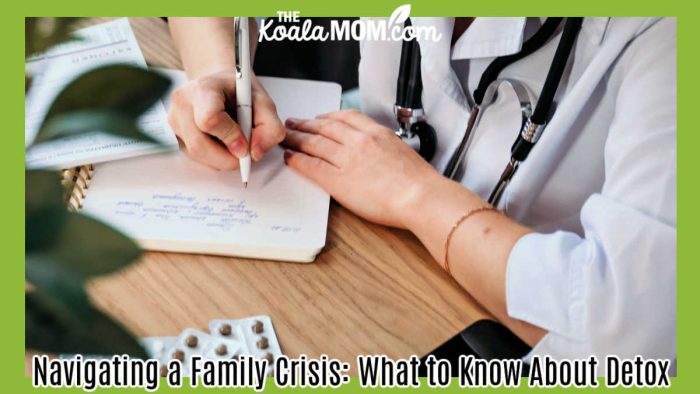
Addiction affects the entire family, but no one has to face it alone. Medical detox provides a safe starting point for people experiencing withdrawal while giving loved ones the reassurance that trained professionals are managing the immediate medical risks.
Recovery is rarely a straight path, and there may be setbacks along the way. But taking that first step toward professional treatment can open the door to long-term healing, healthier relationships, and renewed hope for everyone involved.
No Responses Yet