
Every child experiences the world differently, but for neurodiverse children, the home environment can have an even greater impact on daily life. Bright lights, noisy rooms, cluttered spaces, or rough textures can quickly become overwhelming. On the other hand, thoughtful changes around the home can help children feel calmer, more comfortable, and able to regulate their emotions.
Fortunately, you can create a sensory-friendly home without giving up on style or completely redesigning your space. Small, practical changes often make the biggest difference. If you’re supporting a child with ADHD, autism, sensory processing differences, or another form of neurodiversity, these ideas can help you create a home that works for your whole family.
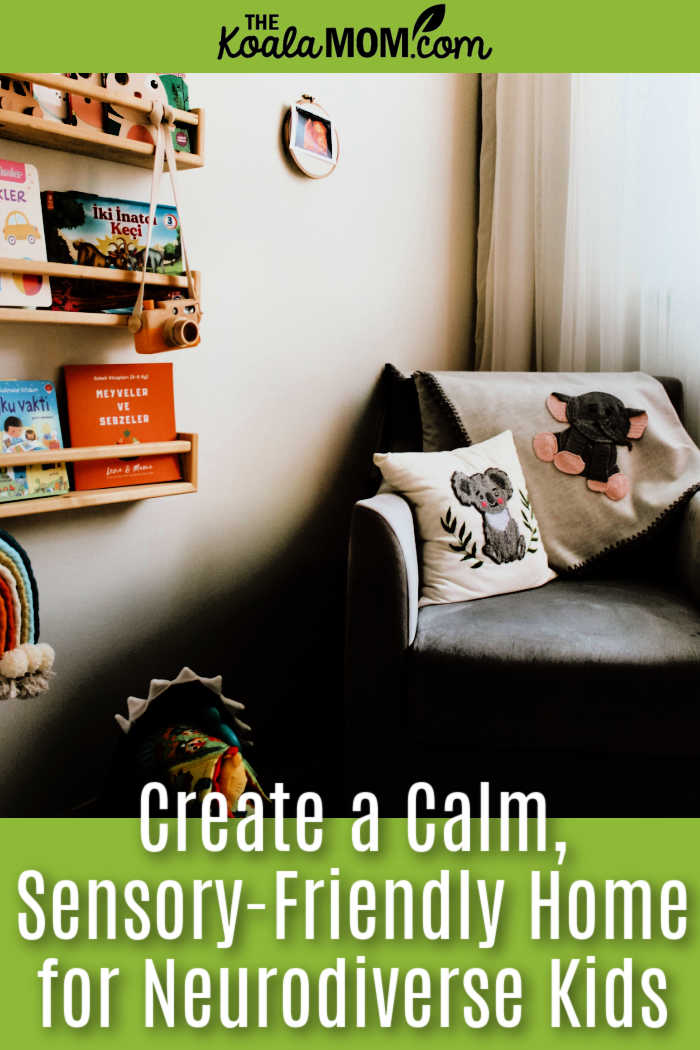
Start with a Calm Visual Environment
Busy rooms can make it difficult for children to focus or relax. While every child has different sensory preferences, many benefit from spaces that feel predictable and organised rather than visually overwhelming. That doesn’t mean your home needs to look minimalist. Instead, think about reducing unnecessary distractions.
You could try:
- keeping toys stored in labelled baskets or bins
- displaying only a few favourite books or activities at a time
- choosing calming wall colours in bedrooms or quiet spaces
- creating consistent places for everyday belongings.
Children with ADHD often find routines easier to follow when their environment stays organised. A tidy room also makes transitions between activities feel less stressful.
Use Soft Furnishings to Reduce Noise and Create Comfort
Many neurodiverse children are sensitive to sound. Hard flooring, bare walls, and large open spaces can make everyday household noise seem much louder. Soft furnishings naturally absorb sound while making rooms feel warmer and more inviting. Curtains, rugs, cushions, and upholstered furniture all help reduce echoes and soften busy family spaces.
If you’re updating a bedroom or playroom, choosing well-fitted window coverings can make a noticeable difference to both comfort and light control. Terrys Fabrics offers made-to-measure curtains that can suit both your décor and the practical needs of the room, helping create a quieter, more restful environment.
Even simple additions, such as a thick rug in a reading corner or extra cushions on a window seat, can turn an ordinary space into a comforting retreat.
Create Spaces for Different Sensory Needs
No single room has to meet every need. Instead, you’ll find it helpful to think of your home as offering different “zones” depending on how your child feels at that moment.
A quiet corner might include:
- a beanbag or comfortable chair
- favourite books
- noise-reducing headphones
- soft blankets
- gentle lighting.
Meanwhile, children who need movement may benefit from an area where they can safely bounce, stretch, dance, or use sensory equipment.
For example, we recently updated my son’s bedroom space to include a play couch that he can use to build forts or bounce into. This helps us keep the couch downstairs as a “quiet space” where his sisters spend a lot of time reading or drawing. All my kids have headphones now so they can listen to their favorite music and tune out the noises of the home (or not annoy their siblings if they are playing video games with repetitive music or listening to the same musical on repeat for a week).
Having separate spaces helps children learn what supports them when they’re feeling overwhelmed, energetic, or tired. It also gives parents practical tools instead of constantly trying to calm difficult moments in the middle of busy family areas.
Think Carefully about Lighting
Lighting often affects mood more than we realise. Very bright overhead lights can feel uncomfortable for some neurodiverse children, while dark rooms may make others feel unsettled.
Whenever possible, make use of natural daylight during the day. Sheer curtains can soften harsh sunlight without making a room feel gloomy, while blackout curtains may help children who struggle to settle at bedtime because of early mornings or lighter evenings.
Adding lamps around the room, rather than relying on one bright ceiling light, also lets you adjust the atmosphere for the activity. Reading, homework, relaxation, and bedtime all benefit from different levels of light.
Giving children some control over lighting, where practical, can also help them feel more comfortable in their own space.
Make Bedrooms Feel Safe Rather than Busy
Bedrooms should help children recharge after demanding school days and busy family life. Rather than filling the room with every toy or decoration, consider choosing a few comforting features that your child genuinely enjoys.
Some families find success with:
- soft bedding in preferred textures
- familiar colours
- limited wall decorations
- blackout curtains if light affects sleep
- white noise or calming background sounds
- favourite stuffed toy or comfort item.
Remember that sensory preferences vary widely and finding what works may take some trial and error. One child may love weighted blankets (like a couple of my girls), while another dislikes the feeling entirely (like my son, who prefers his weighted stuffed snake instead). Listening to your child’s feedback is far more useful than following trends.
The aim isn’t to create a picture-perfect room. It’s to build a space where your child feels relaxed, secure, and able to unwind.
Involve Your Child in the Process
Parents naturally want to make the “right” choices, but neurodiverse children often know what helps them feel comfortable.
Ask the following questions when making changes around the home:
- Do they prefer softer or brighter colours?
- Which blanket feels nicest?
- Does the room feel too noisy?
- Would they rather read in the bedroom or another quiet corner?
Even younger children can usually express what makes them feel comfortable when given choices. Involving them also builds confidence and helps them recognise their own sensory needs as they grow older.
Some ideas may work brilliantly, while others don’t quite fit. That’s perfectly normal. A sensory-friendly home evolves alongside your child, and small adjustments over time often prove more effective than trying to get everything perfect at once.



Creating a sensory-friendly home doesn’t require following strict design rules or buying endless specialist products. It’s about paying attention to how your child experiences their surroundings and making thoughtful adjustments that support everyday family life.
Whether you begin with quieter rooms, softer lighting, better organisation, or a cosy space to unwind, each change can help your child feel more comfortable in their own home. Over time, those small improvements can create an environment where every member of the family feels more settled, understood, and able to thrive.
No Responses Yet