


Creating a space where children can thrive, imagine, and play is a central goal for many parents. We want our homes to be safe havens that encourage creativity while providing a sense of comfort that grounds our busy family lives. As our children grow, their playrooms often evolve from simple corners into dedicated zones for learning and exploration. By focusing on sensory comfort and visual harmony, you can transform a drafty or impersonal room into a sanctuary that feels as warm as a hug.
Embrace Natural Textures for Visual Softness
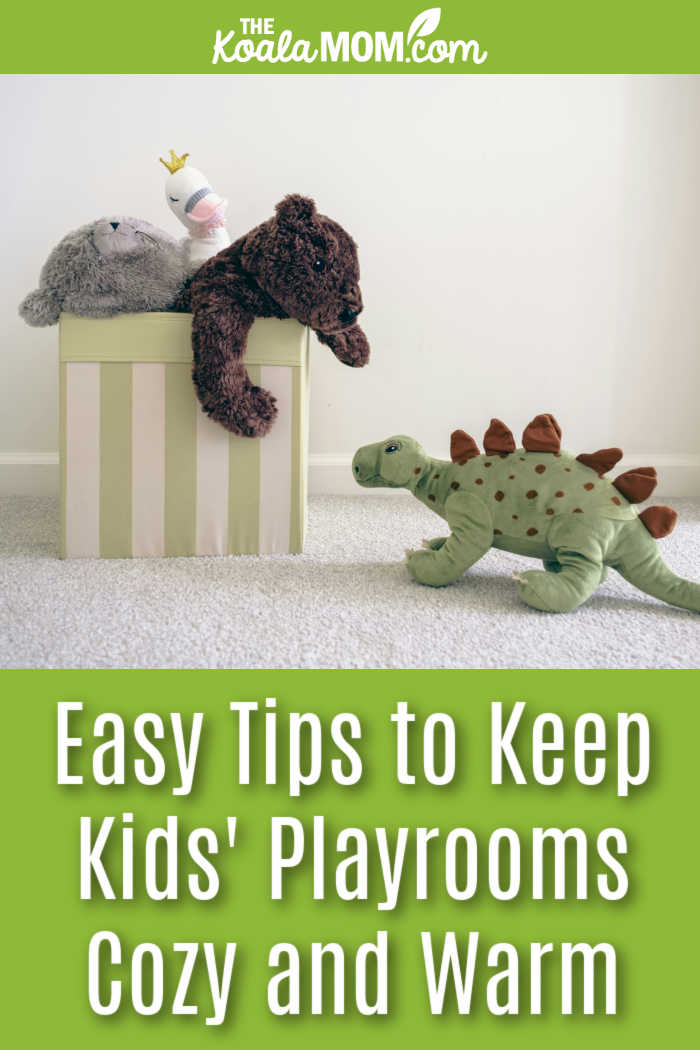
The foundation of a cozy room starts with how it feels to the touch. Incorporating natural elements helps balance the chaotic energy of toys and high-intensity play. Think beyond plastic bins and primary colors; instead, layer your space with woven baskets, cotton cushions, and soft blankets. Natural materials like wool, jute, or organic cotton bring an earthy, grounding quality to a playroom.
Visual softness is more than just an aesthetic choice; it actually helps regulate a child’s nervous system. When a room feels visually cluttered or stark, it can be overstimulating. By choosing items that invite tactile engagement, like a knitted throw over a reading chair, you signal to your children that the space is designed for both quiet reflection and active play.
The Foundation of Comfort
One of the most effective ways to instantly elevate the warmth of a playroom is by rethinking your flooring. Hard surfaces can feel cold and uninviting, especially during the winter months. Incorporating high-quality flooring choices is the perfect way to elevate your playroom.
Exploring options offered by RugNCarpet, for instance, can help you wind pieces that provide both insulation and a soft landing spot for little feet. A well-placed rug grounds the room, defines a specific play area, and prevents the “echo” effect of a hollow space. If you have sensory kids like I do, carpeting can also make a huge difference for them in how they play and hang out in the space.
Create Whimsical Nooks
Every child loves a secret space. Creating a dedicated “nook” within the larger room adds a sense of intimacy and mystery. Use a corner of the playroom to hang a canopy, set up a floor tent, or arrange floor pillows in a cozy cluster. Line these secret nooks with fairy lights, which provide a gentle, amber glow that is much softer on the eyes than harsh overhead lighting.
Adding personal touches, such as pages from their favorite classic books framed as wall art or a collection of plush stuffed animals, makes these nooks feel truly theirs. These small, enclosed areas are perfect for winding down after a long day of homeschooling or school activities, offering a quiet place to retreat with a book or a calm activity.
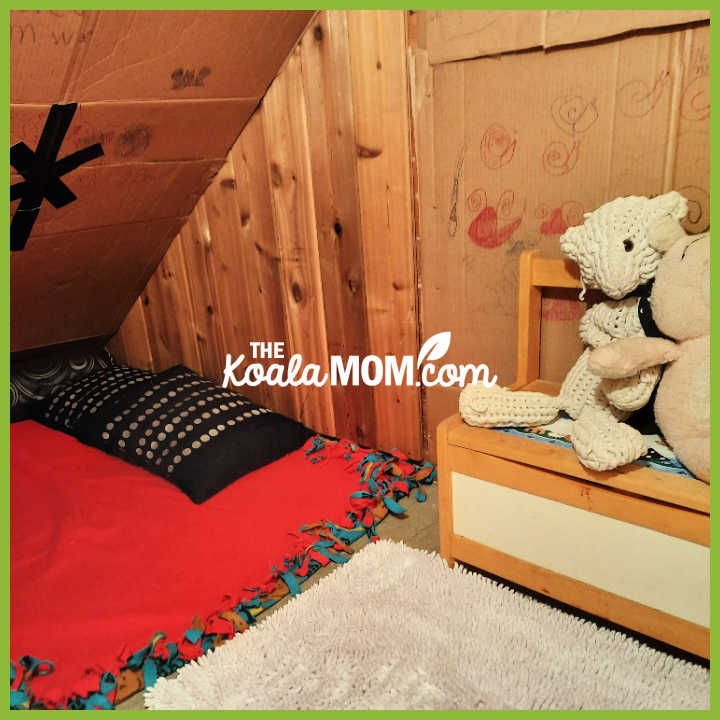
In one of our homes, I turned the space under the stairs into a play area for the kids. We used the cardboard moving boxes to cover the walls, and then they drew pictures all over the walls. The toy kitchen and a little toy bin fit in there, and I thrifted a few rugs and pillows to toss on the floor. They added some stuffies and blankets and had a very cozy play area, which they still talk about.
Simplify the Color Palette
While bright colors were once the standard for children’s room decor, there is a growing trend toward calmer, nature-inspired palettes. Colors like olive, pearl blue, sage green, and warm vanilla bring a sense of stability to a playroom. A simplified color scheme doesn’t mean the room has to be boring; it simply means the “visual noise” is reduced, allowing the toys and the kids themselves to be the focus of the room.
When you choose a more subdued palette, the room can easily adapt as your children get older. A neutral backdrop allows you to swap out decor, like wall art or throw pillows, without having to repaint or renovate the entire space. This flexibility is a wonderful way to keep your home environment sustainable and budget-friendly.
Lighting for a Calming Ambiance
Lighting dramatically impacts the “temperature” of a room. Avoid reliance on a single bright ceiling light, which can make a space feel like a clinical institution. Instead, layer your lighting. Add a small floor lamp with a warm-toned bulb near a reading chair, or use battery-operated fairy lights to accent bookshelves.
Diminished, warm light in the late afternoon helps prepare children for the transition from playtime to bedtime. It softens the edges of the room and creates a peaceful atmosphere that encourages slower, more intentional play. By creating a lighting scheme that you can adjust throughout the day, you create a versatile environment that serves the needs of your family from morning until night.
Keep Decor Simple and Adaptable
As parents, we know that our children’s interests change rapidly. Today’s obsession might be dinosaurs, while tomorrow it’s outer space. To keep your playroom both cozy and practical, focus on high-quality, long-term foundations—like the rug or a solid wood bookshelf—and keep the decorative “themes” easily changeable.
Using easily swappable decor is a smart way to save money and keep the room feeling fresh. You don’t need a complete overhaul to change the mood of the room. A different set of curtains or a new bin for toy organization can completely shift the vibe. This approach encourages children to appreciate the space they have, rather than constantly seeking new “stuff” to fill it.
Building a cozy playroom is about more than just decor; it’s about fostering an environment where your children feel secure, comfortable, and ready to explore. By incorporating natural textures, choosing the right grounding rugs, and creating calm, whimsical corners, you can turn any room into a cherished space for your family. Remember, the best playrooms are the ones that evolve alongside your children, providing a warm and constant backdrop for all the memories you will build together.
No Responses Yet