


We all know that a woman’s hormones change throughout her life, and pregnancy and childbirth bring some pretty dramatic changes of their own. But when I became a first-time mom, I had no idea how many ways those hormonal shifts would affect my body after the baby was born.
I expected to be tired. I expected to be sore. I expected my body to need some time to recover from pregnancy and childbirth, and I knew I’d be figuring out breastfeeding, bonding with my baby, and all the other new-mom things along the way. What I didn’t expect were some of the stranger changes that showed up in the weeks and months afterward.
Postpartum recovery can come with things like intense night sweats, loose-feeling joints that seem to linger, a sudden increase in hair shedding, vaginal dryness, changes in skin pigmentation, tooth sensitivity, and changes in body composition. Not every woman experiences all of these, and some may barely notice them at all. But knowing they can happen can make those unexpected changes a lot less alarming when you suddenly find yourself wondering, “Is this normal?”
And while the internet is full of stories about women who seem to bounce back almost immediately (something I definitely expected after my first baby), postpartum recovery doesn’t always look like that. Sometimes it looks more like standing in the shower and wondering how there can possibly be that much hair going down the drain at week twelve.
So, if your postpartum body has surprised you in ways you weren’t expecting, you’re definitely not alone. Here are seven physical changes that many new moms aren’t warned about, along with some practical things you can do to make them a little easier.
This post contains affiliate links; as an Amazon associate, I earn from qualifying purchases.
1. Night Sweats
One of the first postpartum surprises for me was waking up absolutely drenched in sweat. I knew my body had a lot of recovering to do after pregnancy and birth, but I wasn’t expecting to wake up in the middle of the night feeling like I’d just run a marathon. Night sweats were something I associated with my mother-in-law talking about menopause, not something I expected during pregnancy recovery.
Postpartum night sweats are often caused by the sharp drop in estrogen and other hormonal changes that happen after birth. Your body is also getting rid of some of the extra fluid it held onto during pregnancy, and sweating is one way it does that. For many women, the night sweats are especially noticeable during the first couple of weeks and then gradually settle down.
In the meantime, breathable cotton pajamas and lightweight bedding can make those sweaty nights a little more comfortable. And since you’re losing extra fluid through sweating (on top of everything else your body is doing), it’s important to keep drinking enough water. I found it helpful to keep a water bottle beside my bed, especially during those middle-of-the-night wakeups. If you’re breastfeeding, you can also keep one beside your usual spot for nursing the baby so you can take a few sips while you’re feeding.
Night sweats aren’t only a postpartum phenomenon, of course. Temperature regulation changes can happen later in life for different reasons, including hormonal changes, medications, and certain health conditions. But if you’re a new mom suddenly waking up soaked, postpartum hormones are a very likely explanation—particularly during those early weeks.

2. Joint Looseness
Another postpartum surprise I wasn’t expecting was how loose my joints could feel after having a baby. Pregnancy hormones don’t simply disappear the moment your baby is born. Relaxin, the hormone that helps loosen your ligaments and joints during pregnancy and birth, can remain in your body for a while afterward.
For some new moms, that can mean feeling a little less stable than usual, whether it’s your knees, hips, pelvis, or other joints. You may notice it particularly when you’re carrying the baby, going up and down stairs, or getting back into exercise.
This is one of those times when it’s worth easing back into your normal activities rather than assuming that because you’ve had the baby, your body is ready to do everything it did before pregnancy. Walking and other gentle exercise (like swimming) can be a good way to start moving again, but pay attention to how your body feels and give yourself time to build back up. High-impact activities such as running may need to wait until you’re ready for them and have received appropriate medical guidance.
Gentle pelvic floor and core exercises can also help rebuild strength and stability after pregnancy and birth. If your joints continue to feel unstable or painful, or you’re unsure about returning to a particular type of exercise, talk to your doctor or a physiotherapist who works with postpartum women. Sometimes a little guidance can make the transition back to feeling like yourself much easier.
3. Postpartum Hair Shedding
If there’s one postpartum change that seems to catch almost every new mom off guard, it’s the hair. During pregnancy, hormonal changes can keep more of your hair in the growing phase, which is one reason many women notice thicker, fuller hair while they’re expecting. Then, a few months after the baby arrives, those hormones drop and all that retained hair starts shedding.
I remember hearing a friend talk about how thick and glossy her hair had been during pregnancy, only to find that after her pregnancies it became noticeably thinner and more brittle. That delayed hair loss can be pretty alarming when you first notice it—especially when you’re standing in the shower watching what seems like half your hair circle the drain.
Postpartum hair shedding often starts around three months after birth and can be most noticeable during the following few months. The American Academy of Dermatology notes that as many as 60% of women may experience noticeable shedding during this period. The good news is that this is usually a temporary response to the hormonal changes of pregnancy rather than your hair suddenly becoming permanently thin.
There isn’t much you can do to stop the hormonal shift itself, but you can be gentle with the hair you have. Avoid excessive heat and tight hairstyles, and take care when brushing or washing your hair to minimize unnecessary breakage. If you want to try a hair-care treatment, Daniel Alain’s hair-shedding treatment serum is one option to consider as part of your self-care routine.
And don’t be surprised if the timing catches you off guard. By the time you’re three months postpartum, you may finally be settling into a routine with your baby—and then suddenly your hair starts coming out in handfuls. It’s another one of those postpartum changes that can feel alarming until you realize it’s a fairly common part of recovery.
4. Vaginal Dryness While Breastfeeding
Some postpartum changes are easy to talk about, while others are a little more awkward to bring up. Vaginal dryness falls into the second category—but it’s actually fairly common, especially if you’re breastfeeding.
Breastfeeding keeps estrogen levels lower, and that can affect the vaginal tissues, making them feel drier and sometimes more sensitive or uncomfortable during sex. If you weren’t expecting this, it can be another one of those postpartum surprises that leaves you wondering what happened to your body.
For many women, this improves as breastfeeding decreases and hormone levels begin to return to their usual pattern. In the meantime, a good water-based lubricant can make intimacy more comfortable. If dryness is persistent or particularly bothersome, it’s worth talking with your doctor or OB-GYN about your options. Hormonal treatments aren’t necessarily off-limits while breastfeeding, but the right choice depends on the specific treatment and your individual situation, so it’s best to get medical advice rather than assuming a product is safe or unsafe.
If you’d prefer a hormone-free option, NeuEve’s doctor-developed treatment for vaginal dryness is another option to look into. NeuEve describes its treatment as food-grade and designed to support the body’s own healing response.
Most importantly, don’t feel like you have to simply put up with discomfort because you’re a new mom. Your body is still adjusting to some pretty significant hormonal changes, and it’s okay to ask for help when something doesn’t feel right. Your pleasure during intimacy matters, too. Don’t just grit your teeth, put up with pain, and hope it eventually goes away. Take care of yourself and talk to your doctor if you need some help figuring out what’s going on.
5. Skin Changes
Just when you think you’ve figured out what your postpartum body is doing, your skin may decide to surprise you, too. Pregnancy can cause some noticeable changes in pigmentation, and unfortunately, they don’t always disappear as soon as the baby arrives.
The linea nigra—the dark line that runs down your belly during pregnancy—can stick around for several months after birth. Melasma, those darker patches that can appear on your face during pregnancy, may also take time to fade. Sun exposure can make melasma more noticeable, so wearing daily mineral SPF is especially helpful while your skin is still adjusting.
And then there are the breakouts. Some women (like me) find themselves dealing with postpartum acne even if they had beautifully clear skin throughout pregnancy. Hormonal changes can affect oil production and leave you wondering why you’re suddenly dealing with teenage skin again—just when you’re already exhausted enough.
Dry, sensitive skin can be another postpartum complaint. Hormonal changes can affect your skin’s moisture barrier, leaving it feeling tight, flaky, or more sensitive than usual. A mild, ceramide-rich cleanser and a good moisturizer can help keep things comfortable while your skin settles down.
The good news is that many of these changes gradually improve as your hormones settle and your menstrual cycle returns. In the meantime, be gentle with your skin. You don’t need to launch an aggressive new skincare routine just because your face or body looks different after having a baby. Sometimes your skin simply needs a little time to catch up with the rest of you.
6. Tooth Sensitivity and Gum Changes
I don’t think anyone puts “my teeth might suddenly hurt” on their list of things to expect after having a baby, but pregnancy and the postpartum period can bring some changes to your mouth, too.
Pregnancy hormones can make your gums more sensitive and prone to inflammation, and that irritation doesn’t necessarily disappear the day your baby is born. If your gums are still swollen, tender, or bleeding when you brush, you’re not imagining it. Changes in your daily routine can also make dental care harder when you’re exhausted and focused on keeping a tiny person fed and happy.
Some women also notice that their teeth have become more sensitive to cold drinks or sweet foods. Pregnancy-related nausea and vomiting can expose your teeth to stomach acid, which can gradually wear away enamel. Breastfeeding itself doesn’t pull calcium out of your teeth, but looking after yourself nutritionally and staying hydrated is still important while your body is producing milk.
A few simple changes can make your mouth more comfortable. Try an ultra-soft bristle toothbrush, especially if your gums are tender, and consider a remineralizing toothpaste if your dentist recommends one for your particular sensitivity. And don’t skip your regular dental care just because you have a new baby. A dental exam can catch gum problems, enamel wear, and cavities before they become bigger issues.
Your six-week postpartum checkup is a convenient reminder to think about your own health, but you don’t necessarily need to wait until then to see a dentist if you’re having pain or other concerns. Your teeth and gums deserve some attention, too—even when most of your attention is currently going to the baby.
7. Changed Body Composition
Perhaps the biggest postpartum change of all is simply that your body may look and feel different. Even if you eventually return to your pre-pregnancy weight, you may not have exactly the same shape or proportions you had before having children. I noticed this recently when I tried on my old grad gown. It still fits, but it definitely fits differently than it did when I was 18. After five kids, I have to wonder: can I blame breastfeeding for shrinking my bust?
Pregnancy changes where your body stores fat, and breastfeeding can affect your appetite, energy needs, and body composition, too. Your hips, waist, breasts, and abdomen may all look different. Some of those changes may gradually settle over time, while others may stick around. And that’s okay. Your body has just spent nine months growing a baby and then has been busy recovering and, possibly, producing milk.
You may also notice changes in how you carry yourself. Constantly picking up, feeding, rocking, and carrying a baby can leave your shoulders, neck, and back feeling very different by the end of the day. Paying attention to your posture and varying your carrying and feeding positions can help prevent some of those aches and pains.
Diastasis recti—the separation of the abdominal muscles that can happen during pregnancy—is another common postpartum concern. Rather than jumping straight back into your old abdominal workouts, give your core time to recover and consider working with a physiotherapist who specializes in postpartum care. Gentle breathing and core exercises can help you reconnect with your abdominal muscles and rebuild strength gradually.
You don’t have to rush back into your old workout routine just because you’ve had your postpartum checkup. Start where your body is, pay attention to how you feel, and increase activity gradually. If you have pain, significant abdominal separation, pelvic floor symptoms, or concerns about a particular exercise, talk with your doctor or physiotherapist.
And remember that postpartum recovery isn’t a race to get your “old body” back. Your body has changed because you’ve been through something enormous. Taking care of it doesn’t mean trying to undo every change—it means helping it become strong and comfortable in this new season of your life.
The Bottom Line
Looking back, I think one of the hardest things about postpartum recovery is that so much of it is unexpected. We talk about recovering from childbirth, getting the baby home, figuring out breastfeeding, and surviving on very little sleep. But nobody necessarily warns you that you might wake up soaked in sweat, lose what seems like an alarming amount of hair three months later, or suddenly discover that your joints, skin, teeth, or intimate life feel different.
Most of these changes are part of your body’s adjustment to pregnancy, childbirth, and the hormonal changes that follow. Some resolve within weeks or months, while others may take longer or become part of your new normal.
The important thing is to pay attention to your body rather than feeling like you simply need to “bounce back.” Drink the water. Be gentle with your hair and skin. Take care of your teeth. Give your core and joints time to rebuild their strength. Use whatever products or treatments make you more comfortable, and don’t be afraid to ask your doctor, dentist, or physiotherapist for help when something doesn’t feel right.
Most of all, remember that postpartum care includes you, not just your baby. Your comfort, health, and pleasure matter, too. You don’t have to ignore something that’s bothering you simply because you’re a new mom. Taking care of yourself is part of taking care of your family.
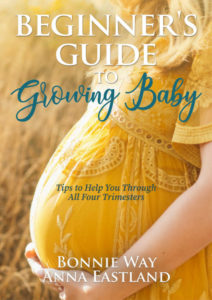 Love this post? You’ll find more tips and advice like it in Beginner’s Guide to Growing Baby: Tips to Help You Through All Four Trimesters, a book about pregnancy, birth, and baby’s first three months. Written with my good friend Anna Eastland (mom of 9 kids!), Beginner’s Guide to Growing Baby is an honest, practical look at pregnancy and beyond. We share what’s worked for us in growing, birthing and loving fourteen babies.
Beginner’s Guide to Growing Baby is available on Amazon.
No Responses Yet