


Bringing a newborn home changes everything in an instant. The early weeks of parenthood feel like a blur of sleepless nights, endless feeding cycles, and constant adjustments. Finding a rhythm takes time, patience, and a lot of trial and error. New parents often feel overwhelmed by the sheer volume of advice available, yet the best strategies are usually the simplest ones.

Keep Your Hands Free with Babywearing
Holding your infant close provides immense comfort to them while allowing you to reclaim your hands for daily tasks. Investing in a high-quality black baby carrier helps you stay mobile while keeping your little one secure against your chest. This simple tool makes it much easier to prep a quick meal, answer emails, or take a walk outside. Many parents find that keeping their infant close reduces crying and promotes deeper naps during the day.
My kids were all sensory seeking as babies and didn’t like to be placed by themselves in their crib or cradle. Instead, I wore them nearly all day, every day, for about the first six months. The right baby carrier makes a huge difference for protecting your back while carrying baby. With baby snug against me, I could do most of my regular activities while baby napped or just hung out close to me.
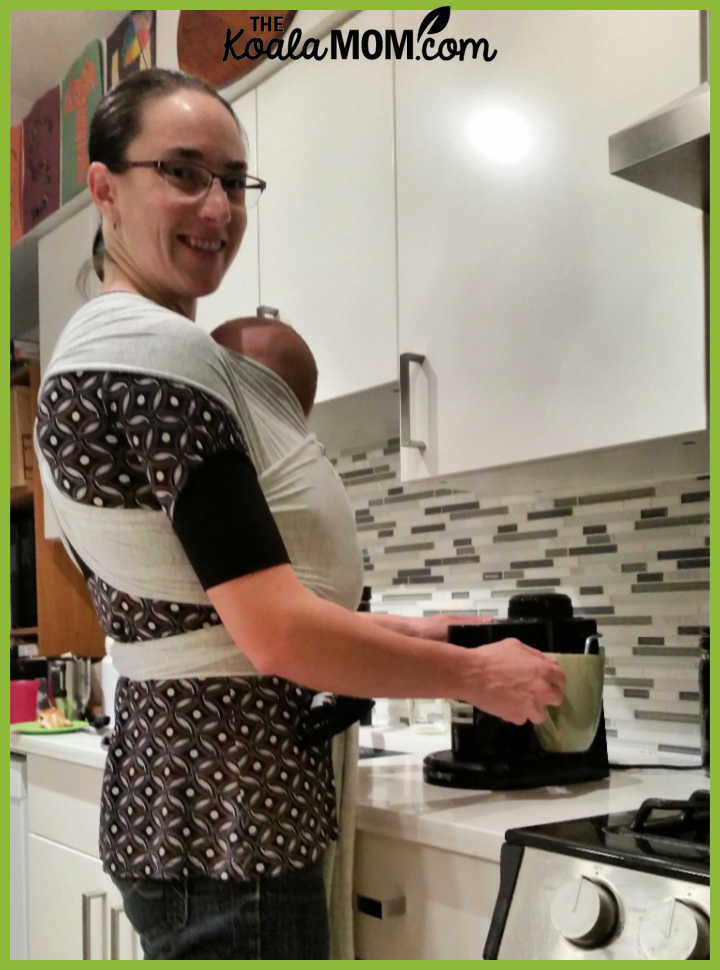
When using a wrap or structure for carrying, safety must always come first. A popular safety guide emphasizes the T.I.C.K.S rule, which reminds parents to keep the carrier tight, keep the infant in view at all times, keep them close enough to kiss, keep their chin off their chest, and ensure their back is supported.
Prioritize Physical and Emotional Bonding
Physical closeness does more than just soothe a fussy infant—it triggers positive hormonal changes in parents too. Spending time holding your infant skin-to-skin helps regulate their body temperature and heart rate.
Industry experts point out that carrying your baby creates valuable together time, releases oxytocin to boost happiness, and even supports healthy hip development. These small moments of connection build a strong emotional foundation and lower stress levels for everyone.
This is just as important for Dad as for Mom. If baby has been breastfed, then Dad could burp baby or rock baby to sleep; or if baby is bottlefed, parents can take turns with feeding baby.
Take Regular Breaks During the Day
While keeping your infant close is wonderful, physical breaks are necessary to prevent stiffness and exhaustion. Pay attention to how your body feels and change positions throughout the day.
A comprehensive safety checklist suggests that if you wear your baby for long stretches, they might get stiff, hot, or cranky, so it is wise to take a break every 1 to 2 hours.
- Step away for a few minutes while your partner takes over.
- Place the infant safely in a crib or swing to stretch your arms and back.
- Drink a full glass of water and sit down without any distractions.
Streamline Your Gear for Daily Mobility
It is easy to get swamped by the massive amount of baby gear on the market. In the current year of 2026, modern baby carriers have become a central part of daily life, functioning just like a stroller or a car seat for busy families on the go.
Focus on multi-functional products that grow alongside your child. Experienced product testers frequently recommend versatile options like the Ergobaby Omni Deluxe, which consistently earns top marks for comfort and adaptability across different stages of growth. I used my Ergo both with my newborns and with my toddlers because of its flexibility.
Adapt as Your Child Grows
Your baby’s physical capabilities and preferences will change rapidly during the first year. Gear that works perfectly during the first month might need adjustments by the fifth month.
According to advice from trusted parenting communities, once your child reaches around 5 months or can confidently hold their own head up, you can safely switch versatile carriers into an ergonomic forward-facing mode. Staying observant allows you to modify your setup to match their developing curiosity.
- Check the weight limits on your gear regularly.
- Adjust straps to distribute weight evenly as your baby gets heavier.
- Rotate toys and positions to keep your child engaged.

No one is meant to raise a child completely alone, and asking for help is a sign of strength. Connect with local parenting groups, family members, or online communities where you can share experiences without judgment. Simple acts like having a friend drop off a meal or watch the baby while you nap can make a world of difference. Embracing a supportive community allows you to rest, recharge, and show up as the best possible parent for your little one.
No Responses Yet