


As the busy hubs of our households, home cooks and caregivers do more than serve up scrumptious meals and the occasional baking masterclass. They’re also key decision-makers when it comes to a home’s impact on the planet. If you want to do your part for the environment while also saving some green, reducing food waste is a great place to start. Here’s how.
Smart Grocery Shopping
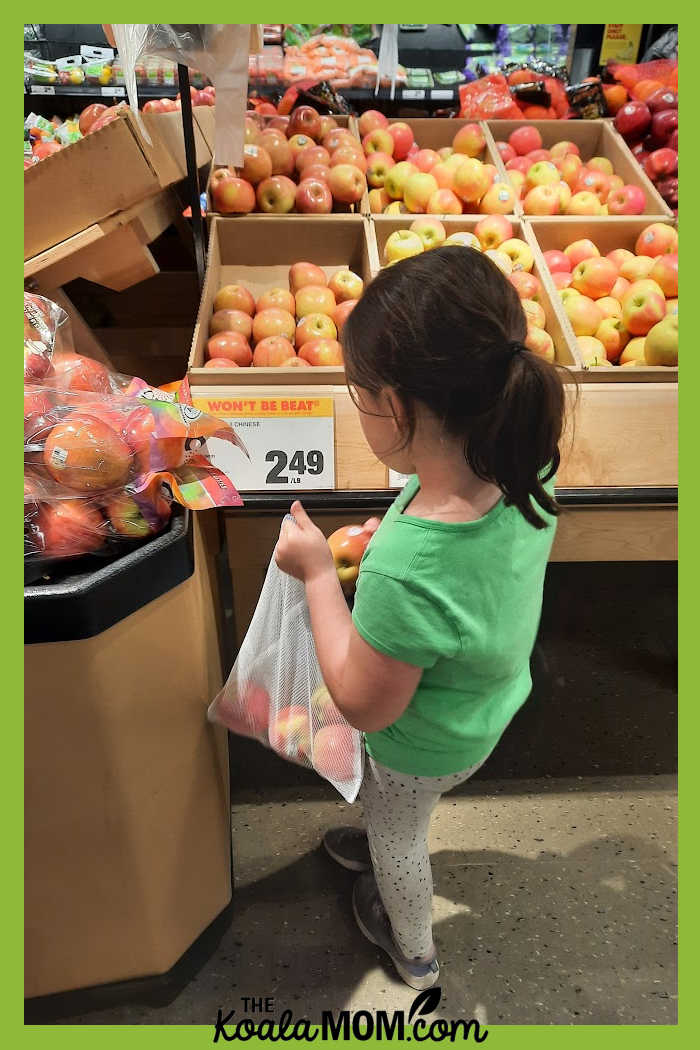
First up on the list is being a savvy shopper. Doing a quick fridge and pantry inventory before heading to the store can help prevent overstocking. As a rule of thumb here, make a grocery list and stick to it. We keep a grocery list on the side of the fridge; as soon as we run out of something in the kitchen, we write it on the list to ensure we restock it next time we are at the store. (Even the kids know to do this when they eat the last cracker or empty a jar of peanut butter!)
This also helps prevent that handful of fresh herbs from wilting away in the back of the fridge because you didn’t have enough recipes to use them. Also, remember not to shop when you’re hungry. We’re more prone to impulse purchases on an empty stomach!
Plan Your Meals
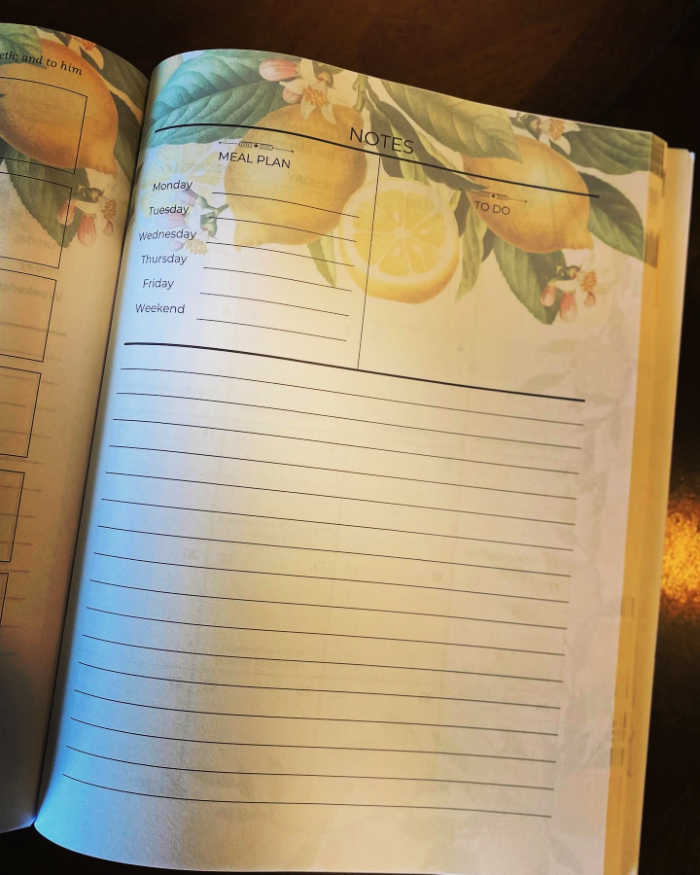
Meal planning is your secret weapon against food waste. Rather than deciding on the fly, plan the week’s meals in advance. Be flexible, but have a basic outline. Use the ingredients you already have on hand and check the expiration dates. My partner and I tend to brainstorm meals for the week on Sunday or Monday nights, and also to ask the kids for ideas. Then we can check the cupboards for ingredients for those meals and put whatever we don’t have on the grocery list.
This also lets us plan a leftover makeover night, where you transform yesterday’s roast chicken into today’s chicken salad!
Get Creative with Leftovers
Speaking of leftovers, let’s kick that old stigma to the curb. No, leftovers aren’t just a sign of overcooking. They can be the foundation for new, delicious meals! So, bring on those unused veggies or that extra scoop of rice. Make a stir-fry, whip up a casserole, or toss them into a pot for some comforting homemade soup. Learning to re-imagine leftovers takes a little creativity, but doing so reignites the fun in cooking (not to mention, it’s great for your wallet!).
Using leftovers is also a way to save time. For example, if I know that I’ll be busy with kids’ activities on Thursday afternoons and won’t have time to cook, I may cook an extra big pot of spaghetti or chili on Wednesday night so that I can simply reheat it on Thursday night for supper.

For families with kids in school, leftovers are also a great choice for school lunches. We have several sets of glass containers that are lunch-sized. Many of our leftovers get packed into these containers and then tossed in the freezer. My teenagers then have a selection of meals to grab for their lunches and microwave at schools. For younger kids who don’t have access to microwaves at school, hot lunches can be packed in thermoses before they head to school in the morning.
Understand Food Expiry Dates
Navigating through those “use by,” “best before,” and “sell by” dates can be confusing. So here’s a quick rundown:
- “Best before” is about quality, not safety. After this date, food might not be at its best, but it is usually still safe to eat.
- “Sell by” is a note to retailers, and the food can typically be safely consumed a few days after this date.
- “Use by” is the one to pay close attention to, as eating food past this date could be a risk to health.
Understanding these can help prevent edible food from being discarded unnecessarily.
Composting
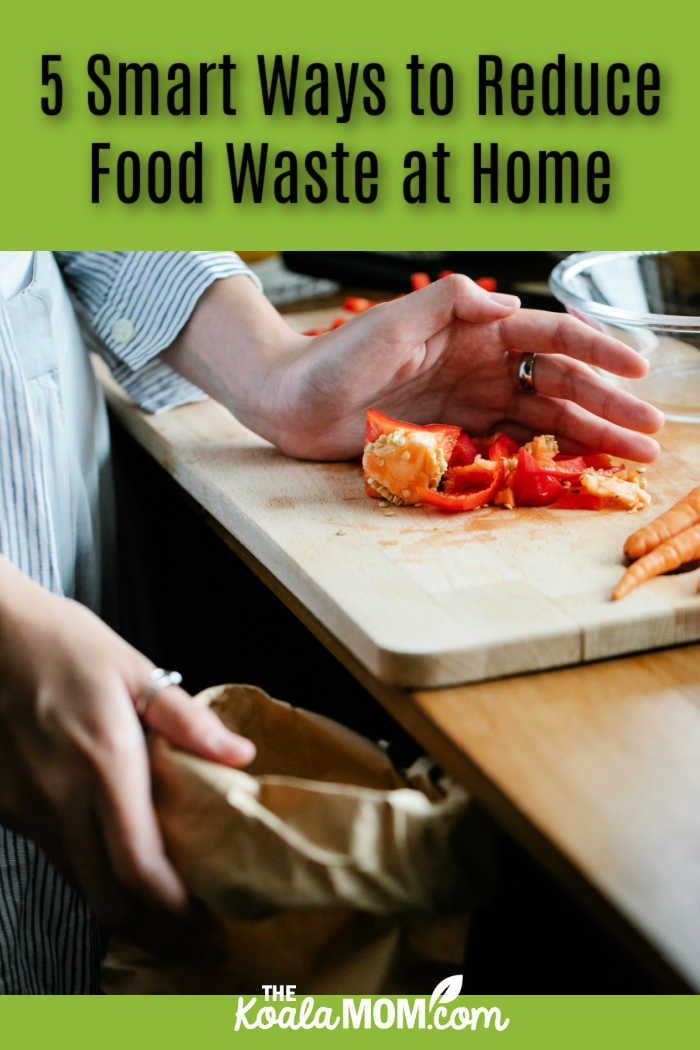
Finally, there’s composting. Yes, it might sound a little extra, but it’s an excellent way to take organic waste out of the trash cycle. Plus, it can enrich your garden soil, if you’ve got green fingers! The basics of composting include using vegetable scraps, coffee grounds, and eggshells while avoiding meats, dairy, and oils. There might be an initial learning curve, but trust me, it’s totally worth it!
Remember, every little bit counts, so don’t feel you have to master all five at once – start where you can and build from there. Any step taken towards reducing food waste is a step in the right direction. And hey, you’ll reap the benefits too with a smaller grocery bill. Let’s channel our inner eco-warrior and create a kitchen that is just as kind to our planet as it is to our taste buds.
No Responses Yet