


Homeschooling works best when parents understand how children learn. Many families begin with good intentions, but later struggle with focus, progress, or confidence. These challenges are often not about effort but about method. When teaching is guided by early learning principles, lessons become clearer, smoother, and more effective. Knowing why a child responds in a certain way can completely change how learning feels at home.
Early learning principles give homeschool parents a strong foundation. They explain how children grow, think, and process information at different stages. With this knowledge, parents can make better choices about lessons, pacing, and expectations. The result is a homeschool environment that supports both learning and emotional well-being, while helping children build skills that last far beyond early education.
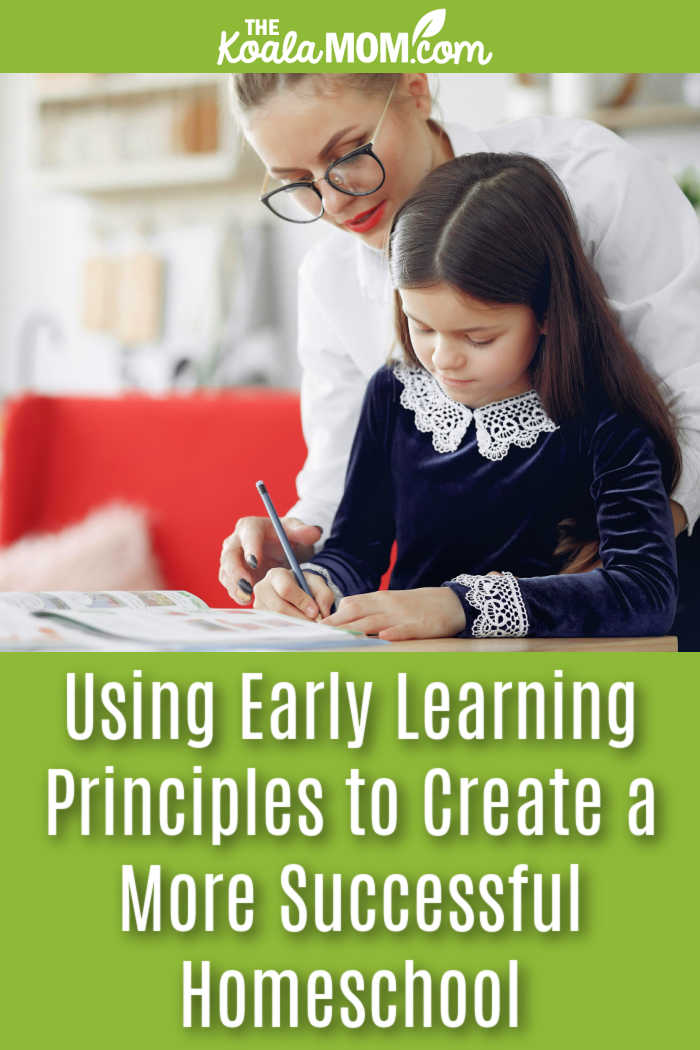
Understanding Child Development Milestones
Every child grows and learns at a different pace, but there are common development stages that guide learning. Understanding these stages helps homeschool parents set realistic goals and avoid unnecessary pressure. When lessons match a child’s development level, learning feels more natural and less frustrating. Parents can also recognize when a child needs more time or a different approach. This awareness supports confidence, patience, and stronger outcomes across subjects.
For example, when my oldest was about Kindergarten age, she knew several other children who’d learned to read at age 3. Sunshine’s dad began comparing her to these kids, questioning why she hadn’t yet learned to read and wondering if we should be pushing her harder somehow. I knew it was important to wait for children to show signs of wanting to learn to read and that reading isn’t usually assessed until children are age 8, as their reading skills can be all over the place before then. Sunshine did learn to read in grade 1 and soon became a voracious reader. Knowing appropriate reading milestones for children helped me avoid comparing her to other kids.
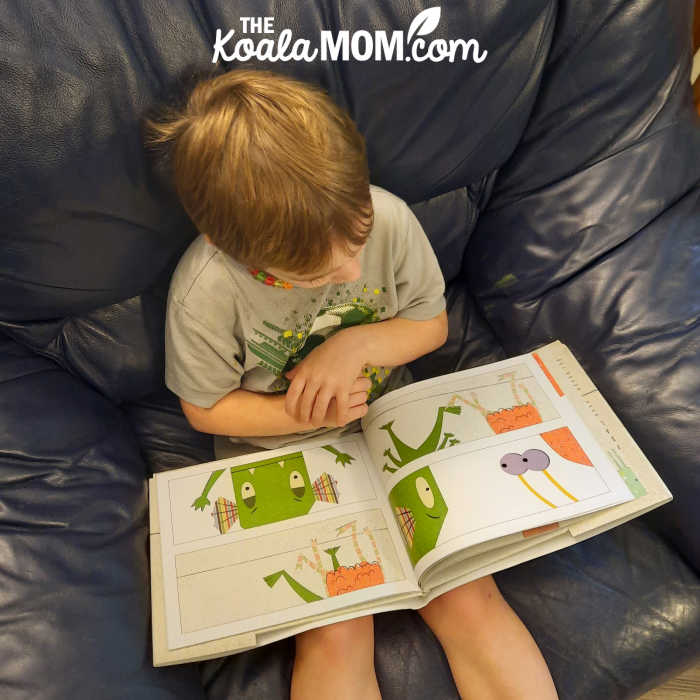
Building Strong Foundations with Formal Training
Learning how children develop is not only helpful for classrooms but also for homeschool settings. Just as classroom teachers get frequent professional development days, homeschool parents should consider investing in their own education as parents. They may wish to read books about homeschooling or more general parenting advice. They can also attend homeschool conferences.
Another option for homeschooling parents is to pursue a Bachelor of Arts in Early Childhood Education online, which offers structured learning that supports their teaching goals. A parent who loves homeschooling could turn that into a long-term career by becoming a homeschool teacher (in provinces / states where there is funding for homeschooling and schools that support home learners) or an online teacher.
Parents who study early education principles often feel more confident planning lessons, managing challenges, and adjusting teaching styles based on their child’s needs. Bachelor of Education programs focus on child development, supportive environments, and effective teaching practices. This type of education helps parents apply research-based strategies at home while gaining a deeper understanding of how children learn during their most important developmental years.
Creating an Environment that Inspires Growth
A supportive homeschool space helps children feel calm, curious, and focused. This does not require expensive supplies or a separate room. Simple organization, clear routines, and accessible materials can make a big difference. We mostly homeschool at the dining room table, but my kids can also move to the living room or their own rooms to find quiet, comfortable spaces to complete their work.
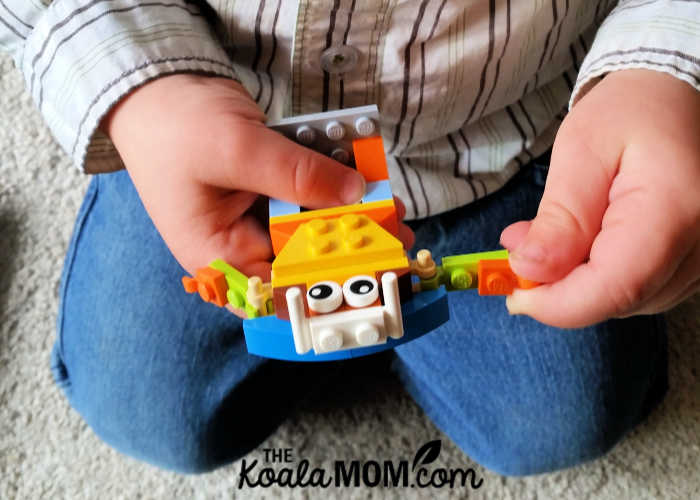
Children learn best when they feel safe and know what to expect. A consistent environment encourages independence and reduces distractions. Thoughtful setup allows learning to happen naturally throughout the day, not just during formal lessons. Knowing how your kids learn and what they are learning helps you make greater connections between formal learning (such as what they’ve read in their textbooks) and everyday life (such as how that math lesson applies to baking or how a science principle is related to their Lego project).
Using Play as a Teaching Tool
Play is one of the most powerful ways young children learn. Through play, children explore ideas, practice problem-solving, and develop social skills. Games, role-play, and creative activities help children stay engaged while getting familiarized with key concepts. Play-based learning also supports emotional growth and communication. When homeschool parents include play intentionally, study becomes enjoyable and meaningful instead of rigid or stressful.
Too often as homeschool parents, we feel extra pressure to “do school” and to make home learning look the same as it does in a brick-and-mortar school. The truth is that sitting at a desk in a classroom is not actually the optimal way for children to learn. Knowing more about how children learn and how to use play, fun and creativity to foster learning can give a parent more confidence to let their child pursue their learning, without pressure to buy a textbook or write an essay about it.
Incorporating Hands-On Experiences
Hands-on learning helps children connect ideas to real life. Activities like cooking, gardening, art projects, and simple science experiments turn everyday moments into lessons. These experiences strengthen understanding and memory because children actively participate. It also supports different styles, especially for children who struggle with worksheets alone. By involving movement and creativity, parents help children build confidence and curiosity while reinforcing important skills.

Many parents find social studies / history and science the easiest subjects to teach, because they are naturally more hands-on than math or reading. It can take more creativity (or more time learning about teaching methods) to come up with ways to make math and reading hands-on. My kids have always loved having math manipulatives that let them see different aspects of math, such as money, counting squares, pattern blocks, and more.
Supporting Social and Emotional Growth
Education is not only about reading and numbers. Children also need support with emotions, behavior, and social skills. Early learning principles emphasize helping children understand feelings, practice patience, and communicate clearly. In a homeschool setting, parents can guide this growth through daily routines, conversations, and shared activities.
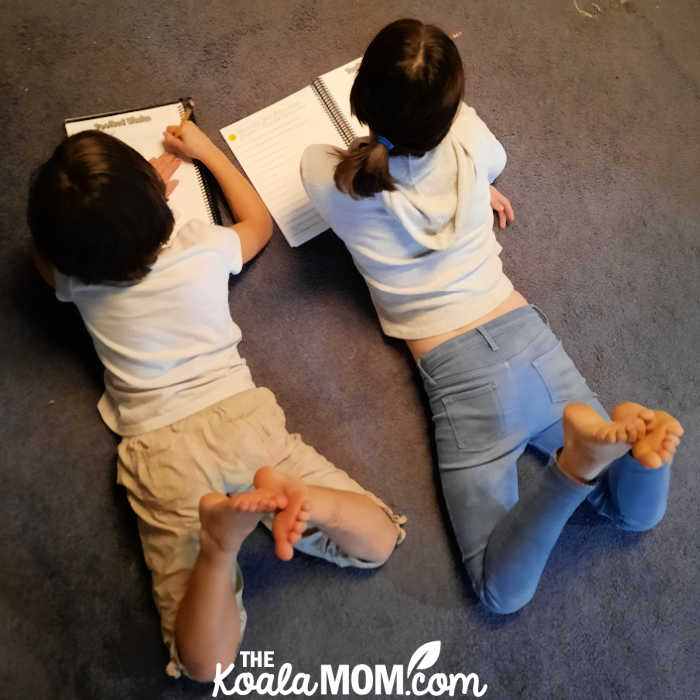
As a parent, you know your child better than anyone else. You know their unique history, needs, and personality. You can cater their learning in every area to address their struggles and encourage their strengths. Simple habits like discussing emotions or solving small conflicts together help children feel secure. Strong social and emotional skills make learning easier and support long-term confidence.
Blending Individual Interests with Goals
Children learn more effectively when lessons connect with their personal interests. Early learning principles support using these interests to increase motivation and focus. For example, a child who enjoys animals can practice reading, writing, and math through animal stories, counting activities, or simple research projects. This method keeps study time engaging while still meeting educational goals.
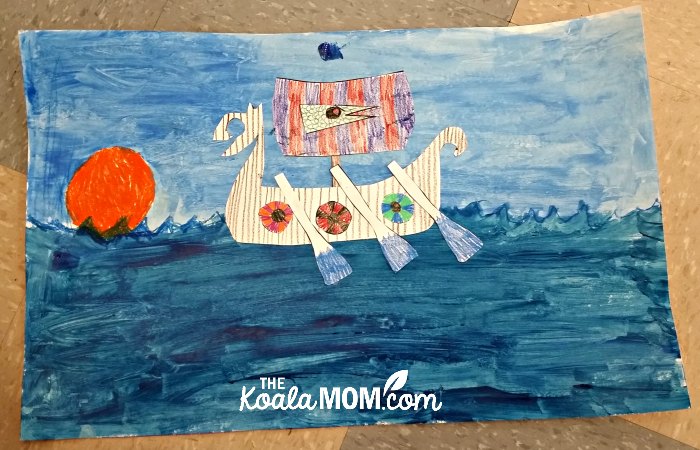
When children feel involved, they are more open to new challenges. Interest-based teaching also allows parents to adjust lessons easily, reducing frustration and creating a more positive homeschool experience. Again, science and social studies are great areas for parents to allow children to have some freedom in choosing the topics they study. Most science and social topics can be taught at any level, so ask your child is she prefers Egyptian history or Viking history or if he’d rather learn about insects or marine animals.
Using Observation Instead of Pressure
Early education focuses on observing progress rather than forcing outcomes. In homeschooling, observation allows parents to notice strengths, challenges, and changes over time. This might include watching how a child approaches tasks or how long they stay focused. Gentle observation helps parents adjust lessons without stress. Instead of comparing progress to rigid timelines, parents can respond to real needs. This approach creates a calmer environment and supports steady, meaningful growth.
Encouraging Curiosity and Independent Thinking
Curiosity plays an important role in how children learn and grow. Early learning principles encourage asking questions, exploring new ideas, and thinking independently. Homeschool parents can support this by giving children time to investigate topics they enjoy, make small decisions, and solve age-appropriate problems on their own.
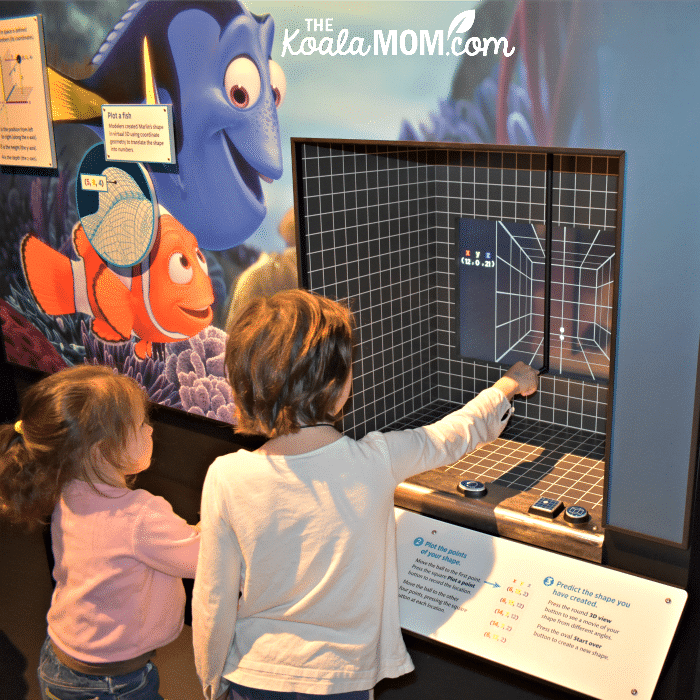
When children are trusted to explore and think, they gain confidence in their abilities. This approach makes education feel natural and engaging, while also strengthening critical thinking and problem-solving skills over time.
Balancing Structure with Flexibility
Structure helps children feel secure, but flexibility allows education to stay responsive. Early learning principles support routines that guide the day while allowing room for change. In homeschooling, this balance helps parents adjust lessons based on energy levels, interests, or unexpected challenges. A flexible approach reduces stress and prevents burnout for both parent and child. When structure and flexibility work together, learning remains consistent without feeling rigid or overwhelming.
Using early learning principles can make homeschooling more effective and enjoyable. These ideas help parents understand how children grow, learn, and respond at different stages. By focusing on development, play, curiosity, and emotional support, homeschooling becomes more intentional and confident. Parents do not need to be perfect teachers—just informed and responsive. With the right foundation, homeschooling can support strong learning habits and a positive experience that benefits children well beyond their early years.
No Responses Yet