
Family homes are constantly evolving. Needs change, routines shift, and spaces are asked to adapt again and again. During these in-between phases, short-term self-storage is not about putting life on pause, but about making everyday living easier while change is happening in the background. It offers families the flexibility to create space without committing to long term decisions too early.
When a home has to do too much at once
Most family homes are already working hard before anything unexpected happens. Bedrooms double as play areas, dining tables become homework stations, and spare rooms quietly turn into catch all storage spaces. When something changes, even temporarily, the balance is easily disrupted.
Short term storage becomes useful when the home simply needs relief. It creates an external buffer so that daily life can continue without everything piling up in shared spaces. This is often less about organization and more about preserving calm and functionality during busy periods.
These moments can include home updates, temporary moves, welcoming new family members, or even just a season where routines feel heavier than usual. Storage gives families the ability to respond without turning the entire house upside down.
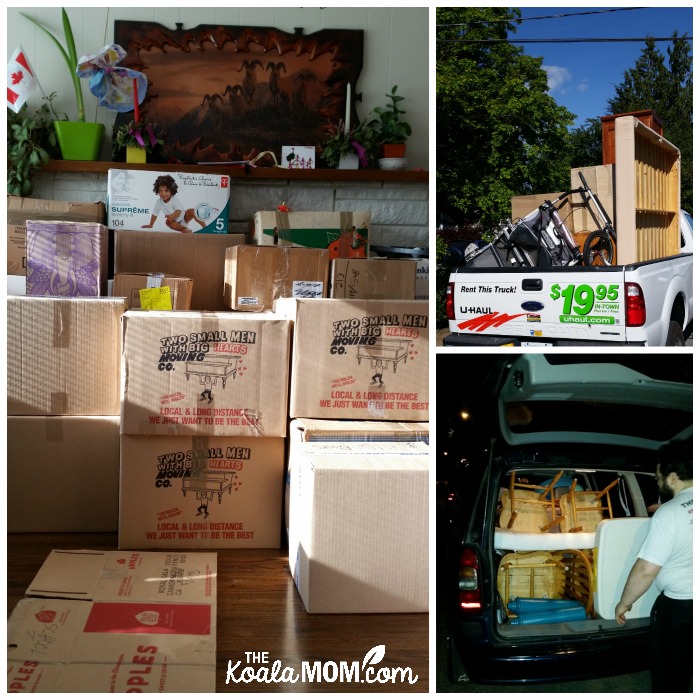
For example, we’ve used short-term storage solutions to organize belongings for a move across the country, to store things while we renovated a bedroom, and as we sorted artwork and furnishings from my aunt’s and uncle’s estates after they passed away. In all of these situations, it was hugely helpful to have a safe, dedicated space to store the contents of a room or rooms.
Creating breathing room during transitions
Transitions rarely come one at a time. A small change often overlaps with another, and suddenly the home feels too full for the life happening inside it.
Clearing space temporarily allows families to manage change in layers instead of all at once. Instead of making rushed decisions about furniture, clothing, or sentimental items, those belongings can be set aside safely while priorities are addressed. This reduces pressure and helps families stay focused on what matters most in the moment. I know from personal experience that making decisions immediately after a loved one has passed away is very difficult; place some items in storage can allow space for grieving now, and better decisions can be made later.
Breathing room also makes transitions feel less overwhelming, especially for children. When their environment remains relatively stable, even while changes are happening, it is easier for them to adapt emotionally and practically.
When clutter affects more than just space
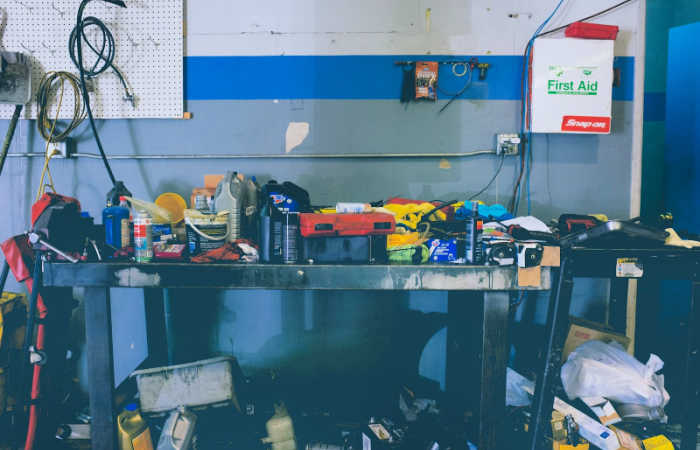
Clutter is not only about how a home looks. It directly affects how it feels and how smoothly daily routines run. Clutter in the home tends to make my brain feel more cluttered; decluttering and organizing always helps me feel more calm mentally.
When items overflow into living areas, simple tasks take more effort. Cooking becomes less enjoyable, cleaning takes longer, and relaxing feels harder. Over time, this constant friction can increase stress and fatigue, particularly for parents already juggling multiple responsibilities.
Short term storage helps reduce this hidden load. By removing excess items from the immediate environment, families often notice an immediate shift in energy. Rooms feel lighter, movement is easier, and the home starts to support daily life again instead of complicating it.
Flexibility without permanent commitment
One of the biggest advantages of short term storage is flexibility. It allows families to clear space now without locking themselves into long term choices.
Life rarely follows a perfect plan. Projects take longer than expected (like our closet renovation that spread over three weekends instead of one), schedules change, and priorities shift. Temporary storage accommodates this unpredictability. Items can be stored for as long as needed, then brought back thoughtfully when the time is right.
This flexibility is especially valuable for families who want to be intentional about what stays in the home. Distance from belongings often provides clarity. Items that truly add value stand out, while others may no longer feel necessary. These decisions are much easier to make without the pressure of immediate space constraints. Instead of feeling that you just need the space so the item needs to leave, you can calmly consider the item and whether you need it (and want to find a better space for it) or not (and can pass it on).
Supporting everyday routines while change happens
One of the biggest challenges during home transitions is maintaining a sense of normalcy. Children still need routines, adults still need functional spaces, and life does not stop just because the house is in flux.
Short term storage helps protect those routines. By relocating non essential items, families can keep key areas usable. Bedrooms remain restful, kitchens stay functional, and common spaces continue to serve their purpose.
This separation between living space and transition space reduces disruption. Instead of the entire home feeling unfinished, change is contained, making it easier to move forward without burnout.
A practical response to unpredictable timelines
Many family changes come with uncertain timelines. Renovations run late, move dates shift, and plans evolve as circumstances change (like the year we planned to move across country and then didn’t because we got a better job offer closer to home).
When belongings are stacked in hallways or spare rooms waiting for an undefined next step, frustration builds. Storage removes that pressure by giving those items a proper place until decisions can be made calmly.
This approach also prevents repeated reorganization. Instead of moving the same items from room to room as plans shift, families can focus on progress rather than constant adjustment.
Space as a tool for better decision making
It is difficult to make good decisions in a crowded environment. When every object demands attention, decision fatigue sets in quickly. Creating temporary space simplifies the mental landscape. With fewer visual distractions, it becomes easier to think clearly about what the family actually needs. This often leads to more intentional choices and fewer regrets later.
Storage creates a pause that allows families to separate urgency from importance. That pause can make all the difference during demanding seasons of life.
Helping children understand change and adaptability
Family homes are powerful learning environments. How space is managed teaches children subtle lessons about flexibility, patience, and change.
When children see that items can be stored temporarily and brought back when needed, they learn that homes are adaptable. Spaces can change without everything being permanent. This helps normalize transitions and reduces anxiety around change.
It also encourages healthier relationships with belongings. Items are valued for their use and meaning, not simply because they exist in the home.
Short term storage as a lifestyle support
Rather than being a last resort, short term storage can be part of a broader approach to managing family life. It supports seasonal shifts, temporary overload, and evolving needs without forcing constant purging or permanent expansion. It allows families to live more comfortably within the space they already have.
Used intentionally, storage becomes a quiet support system that absorbs pressure during busy times and steps back when balance is restored.
A home should make life easier, not harder. When space becomes too tight, even temporarily, the effects are felt everywhere. Short term self storage helps restore that balance. It gives families room to adapt, think, and move forward without sacrificing comfort or routine.


By creating temporary breathing room, families gain more than physical space. They gain clarity, flexibility, and a greater sense of control during periods of change.
When the home is no longer overwhelmed, it can return to its real purpose: supporting family life as it grows, shifts, and evolves.
No Responses Yet