


As parents, we spend years helping our children learn new skills, navigate challenges, and become more independent. But when your child has unique support needs, the path to adulthood may look a little different than you expected. You might be wondering whether they’ll be able to live on their own, what kind of support they’ll need, or how you’ll know when it’s time to consider a group home or supported living arrangement.
These questions can feel especially complicated when you’ve been your child’s primary caregiver for years. You’re used to managing appointments, advocating at school, keeping track of medications, and making sure their daily needs are met. The thought of stepping back can be both exciting and overwhelming.
The good news is that independent living doesn’t have to mean doing everything alone. For some young adults, it means living in their own apartment with occasional help. For others, it means sharing a home with roommates and having staff available when needed. The goal is to find an arrangement that gives your child as much independence as possible while providing the support they need to feel safe and thrive.
With some planning, practical skill-building, and the right support network, you can help your young adult prepare for this next chapter at a pace that works for them.
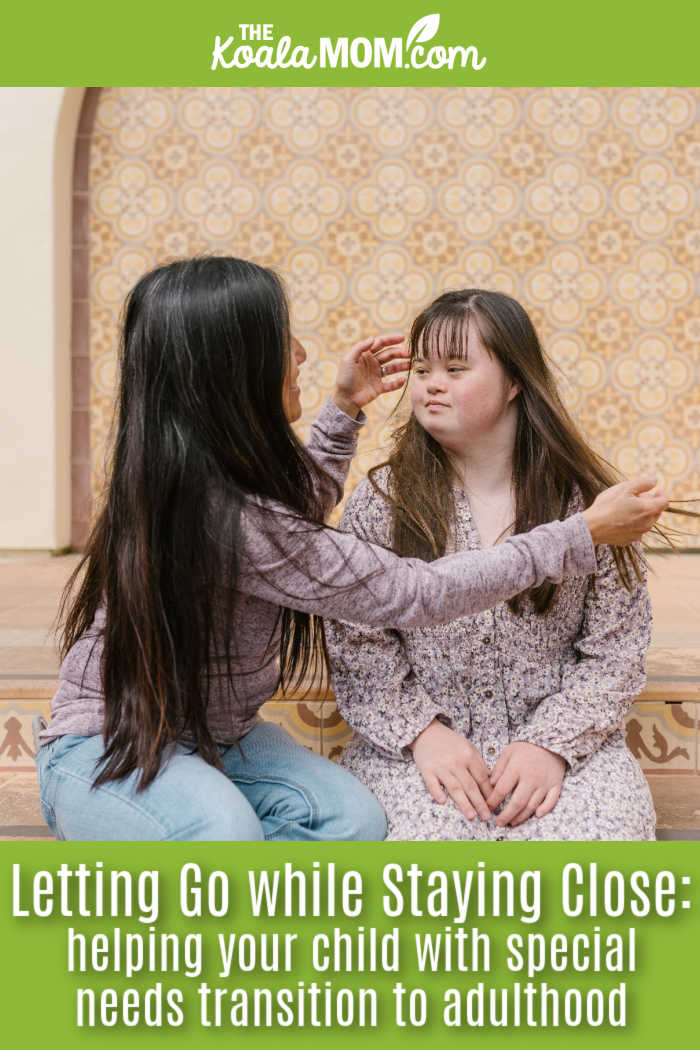
How Do You Navigate the Emotional Shift of Letting Go?
If you’ve spent years advocating for your child, you may find it difficult to imagine handing some of that responsibility to someone else. You know their routines, recognize their signs of distress, and understand what helps them through a difficult day. Trusting other people to provide that same level of care can take time.
It’s also normal to have mixed feelings. You may be proud of your child’s growing independence while worrying about their safety, friendships, finances, or ability to handle unexpected situations. You might even feel guilty about wanting more time for yourself.
Remember that stepping back doesn’t mean walking away. Your role is changing, not disappearing. Instead of managing every detail of your child’s life, you can gradually become more of a mentor, advocate, and trusted source of advice.
Here are a few ways to make that transition easier:
- Include your child in conversations about their future. Talk about where they’d like to live, what kind of daily routine they want, and which responsibilities they’d like to manage themselves. Their preferences should be central to the decision.
- Start small. Give your child more responsibility for one or two daily tasks before handing over an entire routine. You can build on each success.
- Talk honestly about your concerns. Rather than assuming your child isn’t ready, discuss specific situations that worry you and work together to find solutions.
- Allow room for mistakes. Everyone needs opportunities to learn from experience. When it’s safe to do so, resist the urge to step in immediately if something doesn’t go as planned.
- Make space for your own feelings. Talking with other parents, a counselor, or a support group can help you process the changes without putting the burden of reassuring you on your child.
Most importantly, remember that independence isn’t an all-or-nothing milestone. Your child can become more independent in some areas while continuing to need substantial support in others.
What Kind of Supported Living Arrangement Is Right for Your Child?
There’s no single living arrangement that works for every adult with support needs. The right choice depends on your child’s abilities, preferences, health needs, communication style, and the amount of assistance they need throughout the day.
Some adults thrive in their own apartments with occasional help from a support worker. Others prefer shared housing, where they can enjoy the company of roommates while receiving assistance with everyday tasks. For those who need more consistent supervision or hands-on support, a staffed residential home may be a better fit.
If you’re exploring personalized residential services, providers such as Elite Residential Habilitation offer one option to investigate as you compare support arrangements for your family.
When evaluating a residential program, look beyond the building itself. Think about the quality of support, the atmosphere, and whether the environment will allow your child to build the life they want.
Questions to ask when visiting a potential home include:
- What support is available overnight, on weekends, and during emergencies?
- How are residents involved in decisions about meals, activities, visitors, and daily routines?
- How does staff support residents with medications, personal care, and healthcare appointments?
- What happens when a resident becomes overwhelmed or needs additional emotional or behavioural support?
- How are disagreements between roommates handled?
- Can residents maintain friendships, hobbies, relationships, and connections with family?
- What training do staff members receive, and how often does staffing change?
- How are families kept informed, and how does the provider respect the adult resident’s privacy?
- What are the costs, funding options, and policies for changing or ending the arrangement?
If possible, visit more than once. A home may feel different during a busy afternoon than it does during a quiet morning. Observe how staff speak to residents and whether they encourage people to make choices for themselves.
You can also ask whether your child could spend time at the home before moving in, perhaps by joining an activity or having a meal there. A gradual introduction may make the transition less intimidating.
Finally, consider whether the arrangement can adapt as your child’s needs change. The goal isn’t simply to find a place to live; it’s to find a place where they can continue growing.
How Can You Build Daily Living Skills Before Moving Day?
You don’t have to wait until your child is preparing to move out to start practicing independent living skills. Everyday family life provides plenty of opportunities to learn.
The key is to focus on practical skills that matter to your child’s future rather than expecting them to master everything at once. Some tasks may come naturally, while others will require repetition, visual reminders, adapted tools, or ongoing assistance.
Start with personal care and daily routines
Depending on your child’s needs, personal care may include brushing their teeth, showering, choosing appropriate clothing, managing menstrual hygiene, or remembering to take prescribed medication with the appropriate support.
Try breaking each task into smaller steps. A visual checklist in the bathroom, for example, can help your child remember their morning routine without needing you to provide every reminder.
If your child struggles with transitions or executive functioning, alarms, picture schedules, labelled storage bins, or phone reminders may help. Practise using these supports at home so they become familiar before a move.
The aim isn’t to insist that your child complete every task independently. It’s to discover which tools and supports help them participate as fully as possible.
Teach simple cooking and food safety
Everyone needs to eat, but meal preparation can involve many separate skills: planning meals, checking ingredients, using kitchen appliances, handling hot food, and cleaning up afterward.
Start with a few meals your child enjoys and can realistically learn to prepare. Sandwiches, microwave meals, simple pasta dishes, and assembling a salad can be good starting points, depending on their abilities.
Practice related skills, too:
- Making a grocery list based on a few planned meals.
- Checking expiry dates and storing food safely.
- Recognizing when food is spoiled.
- Using appliances safely and knowing when to ask for help.
- Cleaning counters, washing dishes, and putting food away.
- Following a simple recipe or visual cooking guide.
If your child has sensory sensitivities, dietary restrictions, or difficulty managing several steps at once, adapt the process to their needs. Learning to prepare two reliable meals independently may be more useful than attempting a complicated recipe.
Practice laundry and household chores
Laundry, cleaning, and organizing are easy to overlook when you’re helping your child with school or other responsibilities. However, these everyday tasks can make a big difference when they begin living away from home.
Show your child how to sort clothes, measure detergent, select a washing machine cycle, transfer laundry to the dryer, and put clean clothes away. A simple reminder on the machine or a step-by-step checklist can help them repeat the process.
You can also teach basic cleaning skills, such as wiping surfaces, taking out the garbage, changing bed linens, and keeping a bathroom tidy.
Rather than doing everything for your child because it’s faster, choose a few manageable responsibilities and give them regular opportunities to practice. Over time, you can reduce your reminders as they become more comfortable.
Introduce budgeting and money management
Managing money involves more than knowing how much things cost. Your child may need help understanding bills, recognizing scams, planning purchases, and deciding how much to save.
Start with everyday situations. Give your child a small budget for a grocery trip or help them compare prices when shopping for something they want. Practice checking a receipt and making sure a debit card purchase is correct.
As their skills develop, you can introduce:
- Creating a simple weekly budget.
- Distinguishing needs from wants.
- Tracking spending and checking account balances.
- Understanding recurring expenses, such as phone bills or subscriptions.
- Recognizing suspicious messages and requests for money.
- Knowing what to do if a bank card is lost or a purchase seems fraudulent.
Some adults will need ongoing help managing their finances, and that’s perfectly reasonable. The important thing is to establish a system that protects their money while giving them as much control as possible over their own choices.
Build communication and self-advocacy skills
Being able to ask for help is an important part of independence. Your child should know how to communicate their needs, express discomfort, and speak up when something doesn’t feel right.
Practice everyday scenarios together. What could they say if they don’t understand instructions from a support worker? How could they tell a roommate they need quiet time? What should they do if someone pressures them to share personal information or money?
Depending on your child’s communication style, self-advocacy might involve spoken words, written messages, visual supports, or an assistive communication device.
Help them identify trusted people they can contact when they need advice. It’s also important to teach them that they can say no, ask questions, and request changes to their support.
These skills can help your child participate more actively in decisions about their home, relationships, and future.
How Can You Prepare for Healthcare and Emergencies?
Moving away from home doesn’t eliminate healthcare needs. If your child takes medication, attends regular appointments, or has difficulty recognizing when something is wrong, planning ahead can help make the transition safer.
Start by creating an accessible record of essential information. With your child’s involvement and appropriate consent, this might include:
- A current medication list and instructions for taking each medication.
- Contact information for their family doctor, specialists, pharmacy, and other healthcare providers.
- Allergies and important medical information.
- Details about communication needs, sensory sensitivities, and helpful strategies for managing distress.
- Emergency contacts and instructions for situations that require immediate assistance.
Practice common scenarios together. Your child could learn how to book an appointment, explain a symptom, request a prescription refill, or contact someone if they feel unwell.
For more complex needs, ask prospective residential providers how they coordinate healthcare and medication support. Clarify who is responsible for appointments, prescription renewals, and communication with family members.
It’s also worth discussing decision-making arrangements before the move. Turning 18 generally brings changes to legal adulthood and privacy rights, depending on where you live. If your child needs assistance making healthcare or financial decisions, explore appropriate supported decision-making options and any necessary legal arrangements with qualified local professionals. Don’t assume that being a parent automatically gives you authority to make decisions for an adult child.
Finally, make sure your child and their support team know what constitutes an emergency and when to call for help. Practising these steps in advance can make unfamiliar situations easier to manage.
How Can You Help Your Child Build a Social Life?
A successful transition to adult living is about more than managing meals and laundry. Your child also needs opportunities to develop friendships, pursue interests, and feel connected to their community.
For some young adults, moving into a shared home naturally creates opportunities to socialize. Others may prefer quieter activities or need help finding settings where they feel comfortable.
Think about what your child genuinely enjoys. They might like gaming groups, art classes, volunteering, sports, music, faith communities, or spending time with a few close friends. Look for activities that match their interests rather than choosing opportunities based on what you think they should enjoy.
You can also help them practice the practical details of participating in community life:
- Planning how to get to and from an activity.
- Checking schedules and remembering event times.
- Contacting an organizer to ask questions or request accommodations.
- Managing spending during an outing.
- Recognizing personal boundaries and staying safe with new acquaintances.
- Deciding how to handle a change of plans or an uncomfortable situation.
Ask potential residential providers how they support community participation. Do residents have choices about outings, or does everyone follow the same schedule? Are transportation and activity costs included? Can residents continue attending activities they already enjoy?
Maintaining familiar friendships and routines can help a new living arrangement feel more like home.
How Do You Make the Transition to Supported Living Less Stressful?
Even when everyone agrees that a move is the right next step, the transition can be difficult. Your child may be excited one day and anxious the next. You might feel confident about the plan until you begin packing their belongings.
Whenever possible, avoid making the move feel like a sudden break from everything familiar.
Start by discussing the transition well in advance. Explain what will change, what will stay the same, and who will be available to help. If your child benefits from visual information, create a calendar showing important dates, visits, and moving-day activities.
Here are a few practical ways to ease the adjustment:
- Visit the new home beforehand. Familiarity with the layout, staff, and other residents can reduce uncertainty.
- Bring familiar belongings. Favourite bedding, photographs, comfort items, or familiar kitchen supplies can help the new space feel personal.
- Keep some routines consistent. Familiar meals, bedtime habits, and weekly activities can provide stability during a period of change.
- Agree on communication expectations. Discuss how often you’ll call or visit, while allowing your adult child to have privacy and space.
- Plan for setbacks. Decide in advance whom your child can contact if they’re overwhelmed or having difficulty adjusting.
- Review the arrangement together. Schedule check-ins after the move to discuss what’s working, what feels difficult, and what support may need to change.
Remember that the first few weeks may not reflect how well the arrangement will work in the long term. Give your child time to settle in while remaining attentive to genuine concerns about safety, care, or quality of life.
 offer one option to investigate as you compare support arrangements for your family. When evaluating a residential program, look beyond the building itself. Think about the quality of support, the atmosphere, and whether the environment will allow your child to build the life they want. **Questions to ask when visiting a potential home include:** - What support is available overnight, on weekends, and during emergencies? - How are residents involved in decisions about meals, activities, visitors, and daily routines? - How does staff support residents with medications, personal care, and healthcare appointments? - What happens when a resident becomes overwhelmed or needs additional emotional or behavioural support? - How are disagreements between roommates handled? - Can residents maintain friendships, hobbies, relationships, and connections with family? - What training do staff members receive, and how often does staffing change? - How are families kept informed, and how does the provider respect the adult resident's privacy? - What are the costs, funding options, and policies for changing or ending the arrangement? If possible, visit more than once. A home may feel different during a busy afternoon than it does during a quiet morning. Observe how staff speak to residents and whether they encourage people to make choices for themselves. You can also ask whether your child could spend time at the home before moving in, perhaps by joining an activity or having a meal there. A gradual introduction may make the transition less intimidating. Finally, consider whether the arrangement can adapt as your child's needs change. The goal isn't simply to find a place to live; it's to find a place where they can continue growing. ## How Can You Build Daily Living Skills Before Moving Day? You don't have to wait until your child is preparing to move out to start practising independent living skills. Everyday family life provides plenty of opportunities to learn. The key is to focus on practical skills that matter to your child's future rather than expecting them to master everything at once. Some tasks may come naturally, while others will require repetition, visual reminders, adapted tools, or ongoing assistance. ### Start with personal care and daily routines Depending on your child's needs, personal care may include brushing their teeth, showering, choosing appropriate clothing, managing menstrual hygiene, or remembering to take prescribed medication with the appropriate support. Try breaking each task into smaller steps. A visual checklist in the bathroom, for example, can help your child remember their morning routine without needing you to provide every reminder. If your child struggles with transitions or executive functioning, alarms, picture schedules, labelled storage bins, or phone reminders may help. Practise using these supports at home so they become familiar before a move. The aim isn't to insist that your child complete every task independently. It's to discover which tools and supports help them participate as fully as possible. ### Teach simple cooking and food safety Everyone needs to eat, but meal preparation can involve many separate skills: planning meals, checking ingredients, using kitchen appliances, handling hot food, and cleaning up afterward. Start with a few meals your child enjoys and can realistically learn to prepare. Sandwiches, microwave meals, simple pasta dishes, and assembling a salad can be good starting points, depending on their abilities. Practise related skills, too: - Making a grocery list based on a few planned meals. - Checking expiry dates and storing food safely. - Recognizing when food is spoiled. - Using appliances safely and knowing when to ask for help. - Cleaning counters, washing dishes, and putting food away. - Following a simple recipe or visual cooking guide. If your child has sensory sensitivities, dietary restrictions, or difficulty managing several steps at once, adapt the process to their needs. Learning to prepare two reliable meals independently may be more useful than attempting a complicated recipe. ### Practise laundry and household chores Laundry, cleaning, and organizing are easy to overlook when you're helping your child with school or other responsibilities. However, these everyday tasks can make a big difference when they begin living away from home. Show your child how to sort clothes, measure detergent, select a washing machine cycle, transfer laundry to the dryer, and put clean clothes away. A simple reminder on the machine or a step-by-step checklist can help them repeat the process. You can also teach basic cleaning skills, such as wiping surfaces, taking out the garbage, changing bed linens, and keeping a bathroom tidy. Rather than doing everything for your child because it's faster, choose a few manageable responsibilities and give them regular opportunities to practise. Over time, you can reduce your reminders as they become more comfortable. ### Introduce budgeting and money management Managing money involves more than knowing how much things cost. Your child may need help understanding bills, recognizing scams, planning purchases, and deciding how much to save. Start with everyday situations. Give your child a small budget for a grocery trip or help them compare prices when shopping for something they want. Practise checking a receipt and making sure a debit card purchase is correct. As their skills develop, you can introduce: - Creating a simple weekly budget. - Distinguishing needs from wants. - Tracking spending and checking account balances. - Understanding recurring expenses, such as phone bills or subscriptions. - Recognizing suspicious messages and requests for money. - Knowing what to do if a bank card is lost or a purchase seems fraudulent. Some adults will need ongoing help managing their finances, and that's perfectly reasonable. The important thing is to establish a system that protects their money while giving them as much control as possible over their own choices. ### Build communication and self-advocacy skills Being able to ask for help is an important part of independence. Your child should know how to communicate their needs, express discomfort, and speak up when something doesn't feel right. Practise everyday scenarios together. What could they say if they don't understand instructions from a support worker? How could they tell a roommate they need quiet time? What should they do if someone pressures them to share personal information or money? Depending on your child's communication style, self-advocacy might involve spoken words, written messages, visual supports, or an assistive communication device. Help them identify trusted people they can contact when they need advice. It's also important to teach them that they can say no, ask questions, and request changes to their support. These skills can help your child participate more actively in decisions about their home, relationships, and future. ## How Can You Prepare for Healthcare and Emergencies? Moving away from home doesn't eliminate healthcare needs. If your child takes medication, attends regular appointments, or has difficulty recognizing when something is wrong, planning ahead can help make the transition safer. Start by creating an accessible record of essential information. With your child's involvement and appropriate consent, this might include: - A current medication list and instructions for taking each medication. - Contact information for their family doctor, specialists, pharmacy, and other healthcare providers. - Allergies and important medical information. - Details about communication needs, sensory sensitivities, and helpful strategies for managing distress. - Emergency contacts and instructions for situations that require immediate assistance. Practise common scenarios together. Your child could learn how to book an appointment, explain a symptom, request a prescription refill, or contact someone if they feel unwell. For more complex needs, ask prospective residential providers how they coordinate healthcare and medication support. Clarify who is responsible for appointments, prescription renewals, and communication with family members. It's also worth discussing decision-making arrangements before the move. Turning 18 generally brings changes to legal adulthood and privacy rights, depending on where you live. If your child needs assistance making healthcare or financial decisions, explore appropriate supported decision-making options and any necessary legal arrangements with qualified local professionals. Don't assume that being a parent automatically gives you authority to make decisions for an adult child. Finally, make sure your child and their support team know what constitutes an emergency and when to call for help. Practising these steps in advance can make unfamiliar situations easier to manage. ## How Can You Help Your Child Build a Social Life? A successful transition to adult living is about more than managing meals and laundry. Your child also needs opportunities to develop friendships, pursue interests, and feel connected to their community. For some young adults, moving into a shared home naturally creates opportunities to socialize. Others may prefer quieter activities or need help finding settings where they feel comfortable. Think about what your child genuinely enjoys. They might like gaming groups, art classes, volunteering, sports, music, faith communities, or spending time with a few close friends. Look for activities that match their interests rather than choosing opportunities based on what you think they *should* enjoy. You can also help them practise the practical details of participating in community life: - Planning how to get to and from an activity. - Checking schedules and remembering event times. - Contacting an organizer to ask questions or request accommodations. - Managing spending during an outing. - Recognizing personal boundaries and staying safe with new acquaintances. - Deciding how to handle a change of plans or an uncomfortable situation. Ask potential residential providers how they support community participation. Do residents have choices about outings, or does everyone follow the same schedule? Are transportation and activity costs included? Can residents continue attending activities they already enjoy? Maintaining familiar friendships and routines can help a new living arrangement feel more like home. ## How Do You Make the Transition to Supported Living Less Stressful? Even when everyone agrees that a move is the right next step, the transition can be difficult. Your child may be excited one day and anxious the next. You might feel confident about the plan until you begin packing their belongings. Whenever possible, avoid making the move feel like a sudden break from everything familiar. Start by discussing the transition well in advance. Explain what will change, what will stay the same, and who will be available to help. If your child benefits from visual information, create a calendar showing important dates, visits, and moving-day activities. Here are a few practical ways to ease the adjustment: - **Visit the new home beforehand.** Familiarity with the layout, staff, and other residents can reduce uncertainty. - **Bring familiar belongings.** Favourite bedding, photographs, comfort items, or familiar kitchen supplies can help the new space feel personal. - **Keep some routines consistent.** Familiar meals, bedtime habits, and weekly activities can provide stability during a period of change. - **Agree on communication expectations.** Discuss how often you'll call or visit, while allowing your adult child to have privacy and space. - **Plan for setbacks.** Decide in advance whom your child can contact if they're overwhelmed or having difficulty adjusting. - **Review the arrangement together.** Schedule check-ins after the move to discuss what's working, what feels difficult, and what support may need to change. Remember that the first few weeks may not reflect how well the arrangement will work in the long term. Give your child time to settle in while remaining attentive to genuine concerns about safety, care, or quality of life. ## Finding Peace of Mind While Your Adult Child Builds Independence Preparing a young adult with special needs for independent or supported living is a process, not a single decision. It involves practical preparation, honest conversations, careful planning, and a willingness to adjust as you learn what works. You don't have to teach every skill before your child moves out, and your child doesn't have to do everything alone to have a meaningful adult life. The goal is to identify their strengths, provide the support they need, and give them opportunities to make choices and develop confidence. As you explore housing options, build daily living skills, and connect with community resources, remember to include your child in the process as much as possible. Their preferences, goals, and sense of belonging matter just as much as the practical details. And give yourself some grace, too. After years of being the person who keeps everything running, stepping into a different role takes adjustment. You can remain a loving, involved parent without managing every part of your adult child's life. With thoughtful preparation and a reliable circle of support, you can help your child move toward greater independence while giving yourself room to embrace this new stage of family life. Woman and girl with Down syndrome engaging in play and learning together indoors. Photo by Antoni Shkraba via Pexels.](https://thekoalamom.com/wp-content/uploads/2026/10/special-needs-child-transition-to-adult-700x394.jpg)
Finding Peace of Mind while Your Adult Child Builds Independence
Preparing a young adult with support needs for independent or supported living is a process, not a single decision. It involves practical preparation, honest conversations, careful planning, and a willingness to adjust as you learn what works.
You don’t have to teach every skill before your child moves out, and your child doesn’t have to do everything alone to have a meaningful adult life. The goal is to identify their strengths, provide the support they need, and give them opportunities to make choices and develop confidence.
As you explore housing options, build daily living skills, and connect with community resources, remember to include your child in the process as much as possible. Their preferences, goals, and sense of belonging matter just as much as the practical details.
And give yourself some grace, too. After years of being the person who keeps everything running, stepping into a different role takes adjustment. You can remain a loving, involved parent without managing every part of your adult child’s life.
With thoughtful preparation and a reliable circle of support, you can help your child move toward greater independence while giving yourself room to embrace this new stage of family life.
No Responses Yet