


Between school drop-offs, work, errands, appointments, practices and everything else on your calendar, finding time to eat a proper meal can sometimes feel like another item on the to-do list.
Maybe you planned to make lunch, but a meeting with your child’s teacher ran late. Maybe you’re driving from one kid’s activity to another and realize you haven’t eaten since breakfast. Or perhaps you’ve got five minutes to grab something before heading out the door to pick up your teenager.
Busy days happen. And while grabbing whatever is easiest isn’t necessarily a problem once in a while, regularly going for hours without eating can make it harder to get the nutrients your body needs.
Protein is one of those nutrients worth paying attention to. Your body uses it to build and repair tissues, produce enzymes, transport nutrients and support normal immune and energy functions. Most people can get plenty of protein from a balanced diet, but there are times when a convenient protein-rich snack can make life a little easier.
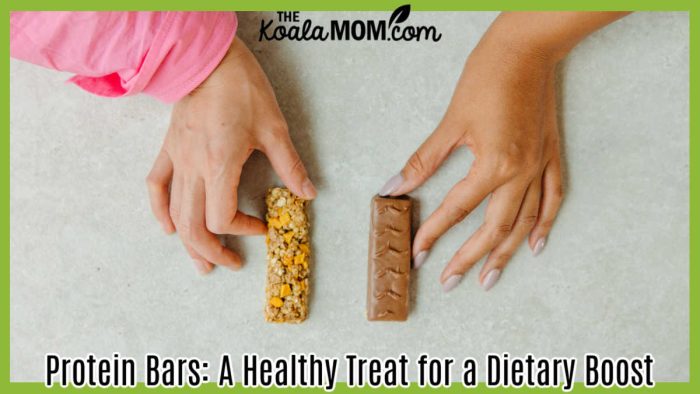
That’s where a protein bar can come in handy. A nutritious and well-formulated protein bar can be easy to keep in your purse, desk drawer, gym bag or car. With many bars providing around 10 to 25 grams of protein, they can give you something satisfying to eat when your next proper meal is still a few hours away.

Is It Okay to Eat a Protein Bar Every Day?
For many busy moms, the appeal of a protein bar is pretty simple: it’s there when you need it.
Certain people and life stages may also have higher protein needs, including older adults, breastfeeding women and people following vegetarian or vegan diets. If you’re regularly exercising, particularly with endurance or strength training, you may also need to pay more attention to your protein intake.
A protein bar can be a convenient way to add some protein to your day, but it doesn’t need to replace balanced meals. Think of it as one tool in your snack toolbox rather than something you have to eat every day.
Here are a few situations where one might come in handy:
- When you’re genuinely hungry between meals. Protein can help you feel satisfied, so a protein bar can be a more substantial option than grabbing a handful of crackers or sweets when you’re starving at 3 p.m. And if you have a sweet tooth, a chocolate-flavoured bar can feel like a treat while still providing protein.
- Before or after a workout. If you’re heading to the gym after work, walking the dog, squeezing in a run or fitting exercise into an already-packed day, a protein bar can be an easy snack to have before or after your workout. Some bars also contain carbohydrates, which can provide energy for activity.
- When your schedule doesn’t leave much time for food. Sometimes the biggest benefit is simply convenience. Keeping a protein bar in your bag means you have something available when you’re stuck in traffic, running errands or waiting through your child’s appointment.
- When you’re trying to manage hunger. A protein-rich snack may help you feel fuller between meals. Just remember that a protein bar is still a snack, not a magic weight-management food. The overall nutritional content matters, too.
- When you want more than just protein. Depending on the ingredients, some protein bars also provide fibre, healthy fats and other nutrients from foods such as nuts, seeds, oats and dried fruit.
How to Choose a Good Protein Bar
Walk into almost any grocery store or supplement shop and you’ll find plenty of protein bars to choose from. They can look very similar on the shelf, but their nutritional profiles can be quite different. Instead of choosing based only on the flavour or the biggest number on the front of the package, take a quick look at the nutrition label and ingredient list.
Look at the protein, fibre and sugar
A bar containing around 10 to 20 grams of protein can work well as an everyday snack, while higher-protein options may contain more than 20 grams per serving.
It’s also worth looking at fibre and added sugar. A bar that provides some fibre and isn’t loaded with added sugar may be a more balanced choice. And don’t assume that a bar is automatically healthy just because it says “protein” on the package. The rest of the nutrition label matters, too.
Check the ingredients
If you have dietary restrictions or allergies, the ingredient list is particularly important. For example, someone following a vegan diet may want to look for plant-based protein sources such as soy or pea protein rather than whey or milk protein. If you have food allergies, check both the ingredients and allergen statements carefully.
You may also want to pay attention to sugar alcohols such as maltitol and xylitol. They can cause bloating, gas or a laxative effect for some people, particularly when eaten in larger amounts.
Consider the whole bar, not just the protein
A 20-gram protein bar isn’t necessarily a better choice than a 10-gram bar. It depends on why you’re eating it and what the rest of your diet looks like. Check the calories, protein, carbohydrates, sugar and fibre per serving. If you’re eating the bar as a quick snack between meals, you may have different needs than if you’re using it to supplement a meal after a long workout.
And pay attention to serving sizes. If you’re eating a bar straight from your purse while answering emails and dealing with a toddler meltdown, it’s easy to forget that the whole package still counts as one serving—or sometimes more than one.
Think about when you’ll actually eat it
There’s no universal “best time” to eat a protein bar. It depends on your routine and what you’re using it for. You might have one before exercising, after a workout or simply when you need something to tide you over until dinner. Your age, activity level, overall diet and individual protein needs can all play a role.
The most useful protein bar is often the one you’ll actually have with you when hunger strikes. For busy moms, that may be the biggest advantage of all. You don’t need a perfectly planned day to make nutritious choices. Sometimes you just need something easy to grab when the day doesn’t go according to plan.
No Responses Yet