


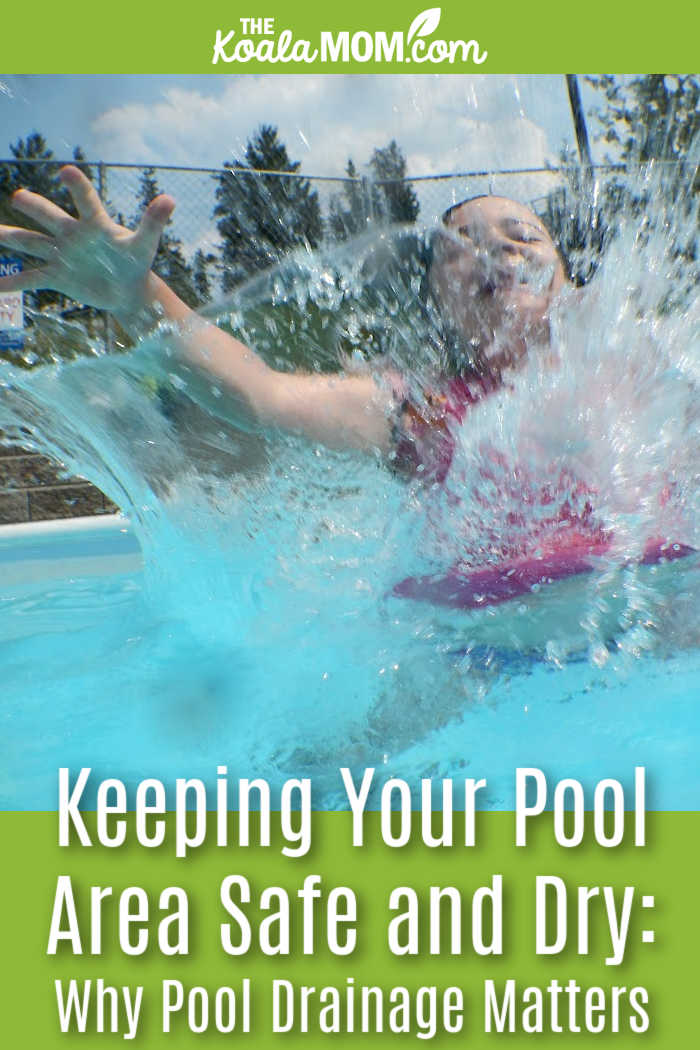
Our family loves playing in the water. Whether we’re spending a lazy afternoon in the pool or the kids are competing to see who can make the biggest splash, a backyard pool can become the centre of summer family life.
Of course, once you have a pool, you quickly discover that keeping the water in the pool is only part of the job. Water gets splashed onto the deck, carried around on wet feet, and dumped everywhere when the kids decide that the pool is apparently also a giant water bucket. Add a summer rainstorm, and suddenly there’s a lot more water moving around your yard than you planned for.
That’s where good drainage comes in. It may not be the most exciting part of your pool design, but it can make your outdoor space safer, cleaner, and much easier to maintain.
What Does a Channel Drain Do Around a Pool?
A channel drain is a long, narrow drainage system installed along a surface where water naturally collects or flows. Around a pool, it helps capture runoff before it spreads across the deck or heads toward areas where you don’t want it. Think of it as giving all that water somewhere to go.
A properly designed drainage system works with the slope of the pool deck to direct water toward an appropriate drainage outlet. You might see channel drains along the edge of a pool deck, between patio areas, or wherever the layout of the yard naturally encourages water to collect.
The grate itself may be fairly inconspicuous, but that’s actually part of the point. Good drainage should do its job without becoming the star of your backyard.
If you’re considering pool channel drain installation, don’t choose one based on appearance alone. The material, deck slope, expected rainfall, and amount of runoff all matter. A beautiful drain that can’t handle the amount of water your yard produces isn’t going to be much help when the next big storm rolls through.
Water Doesn’t Stay Where You Put It
Anyone with children knows that water has a remarkable ability to escape. Some of it comes from the pool itself. Kids splash. Adults splash. Dogs shake themselves off. People walk across the deck dripping from head to toe. Then there’s rain, pool maintenance, and the occasional enthusiastic attempt to move water from one container to another.
All of that water needs somewhere to go. When it doesn’t, you can end up with puddles around the pool deck. Besides creating a slipping hazard, standing water can encourage algae and mildew growth and contribute to staining or deterioration of concrete, pavers, and other hardscaping.
In some yards, poor drainage can even direct water toward the house foundation or other areas where it can cause more serious problems.
The frustrating thing is that drainage problems don’t always announce themselves immediately. You might notice one corner that stays wet longer than the rest of the deck. Maybe a few pavers start shifting or a patch of landscaping begins eroding. Eventually, you realize that these aren’t isolated problems—they’re all connected to where the water is going.
And, like so many home maintenance problems, it’s much easier to deal with a drainage issue when you notice it than after you’ve spent an entire season ignoring it.
Signs Your Pool Area Needs Better Drainage
So how do you know whether your pool area has a drainage problem?
Some signs are pretty obvious, while others are easy to overlook. Keep an eye out for:
- Water that remains on the deck for hours after swimming or rain
- Slippery areas that stay damp longer than the surrounding surface
- Mildew, algae, or persistent staining around the edges of the deck
- Erosion in nearby grass or garden beds
- Loose pavers, cracked concrete, or sections of decking that have shifted
- Water flowing toward your house, fence, patio, or other areas where it shouldn’t collect
You may also notice less obvious changes in your pool maintenance routine. Leaves and dirt may collect in the same wet spots, runoff may carry more debris into the pool, or you may find yourself constantly cleaning an area that never seems to stay clean.
If your pool gets a lot of use from children, guests, or pets, standing water can become especially frustrating. A busy pool area already has plenty of wet feet and flying pool toys. You don’t need another source of slippery surfaces.
How Good Drainage Makes Pool Life Easier
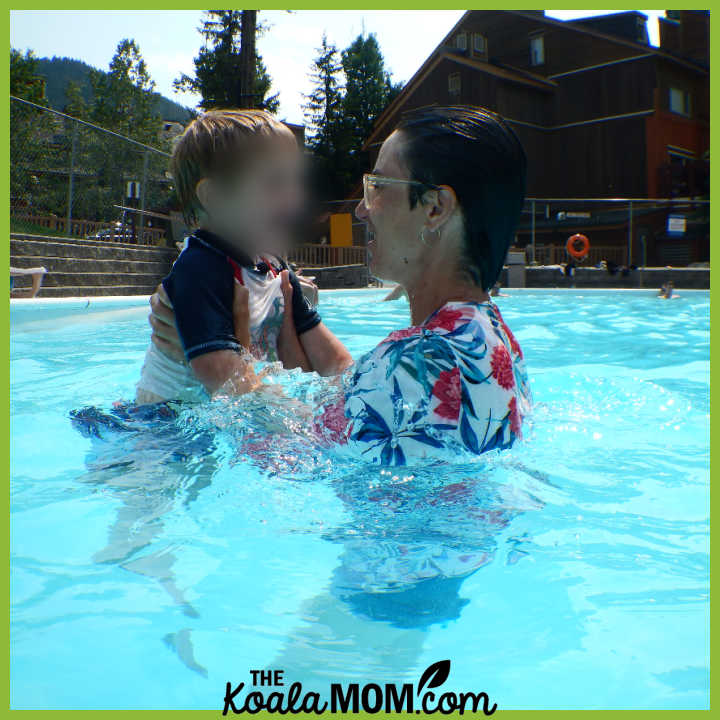
Drainage isn’t just about preventing expensive repairs. It can make your pool area more pleasant to use. For a family like mine, that’s important. We want the backyard to be a place where the kids can swim, play, and spend the afternoon without me constantly worrying about where the water is collecting.
A well-drained deck is safer because it reduces the amount of standing water underfoot. That matters when children are running around with wet feet and approximately zero interest in walking carefully.
Good drainage also helps protect the surfaces around your pool. Concrete, stone, tile, and pavers can all suffer when they’re repeatedly exposed to excess moisture. Keeping water moving where it belongs can help reduce problems such as cracking, shifting, erosion, and discoloration.
There’s a maintenance benefit, too. When runoff is directed away from the pool instead of carrying leaves, dirt, and other debris toward it, you may have less work to do with skimming and cleaning. It won’t eliminate pool maintenance—we can all dream—but every little bit helps.
What to Consider Before Installing a Drain
If you’ve noticed drainage problems around your pool, don’t assume that simply adding a drain will fix everything. Start by looking at the whole yard.
Where does the water come from? Consider rain, pool splash-out, deck cleaning, landscaping, and any other sources of runoff.
Where does it go now? Watch the water during a rainstorm if you can. You may be surprised by where it collects and which direction it naturally wants to travel.
How does the deck slope? Water should be able to flow toward the drain. If the grading is wrong, installing a drain without addressing the slope may not solve the underlying problem.
What material will work best? Different drainage systems are designed for different amounts of water and types of use. You’ll want something durable enough for your particular pool area.
How easy will it be to clean? Pool areas collect plenty of debris, from leaves and grass clippings to sunscreen residue and whatever the kids have dragged outside. A drainage system that is easy to inspect and clean will be much easier to live with.
And don’t forget about local requirements. Depending on where you live, there may be building codes or drainage regulations governing where runoff can be directed, particularly if it could affect a neighbouring property or municipal drainage system.
Think About Drainage When You Design Your Pool Area
When you’re planning a new pool or updating an existing one, it’s tempting to focus on the fun stuff: the pool itself, comfortable furniture, pretty landscaping, lighting, and all the things that make you want to spend the entire summer outside.
But some of the most important parts of a good outdoor space are the things you barely notice. Drainage is one of them.
You probably won’t stand beside your channel drain admiring how beautifully it works. But after a summer storm, you’ll appreciate not having a huge puddle sitting beside the pool. When the kids are running around on wet feet, you’ll appreciate a deck that drains properly. And when you’re cleaning the pool, you’ll appreciate not having runoff constantly carrying more dirt back into the water.
For families who actually use their pools—especially families with kids—those little practical details make a big difference.
A well-designed pool area isn’t just somewhere that looks beautiful in a backyard photo. It’s a space that works for real family life, including the splashing, mess, wet towels, running children, and occasional chaos that come with it.
Good drainage quietly does its part to keep all that family fun a little safer and a lot easier to manage.
No Responses Yet