


Your home doesn’t have to be bigger to become more useful. The space that you already have can be even more useful if you can give it a clear purpose. This is something that my partner and I are constantly discussing about our space, as we live in a small duplex with a large family. Most areas of our home need to do double duty, but with some creativity, it all works out.
A small corner of your property can become a productive workspace; a cluttered garage can support hobbies and storage; and a small area of the backyard can become a favorite spot to relax. The goal is simple: get more out of your current property. Here are a few ways we do that.
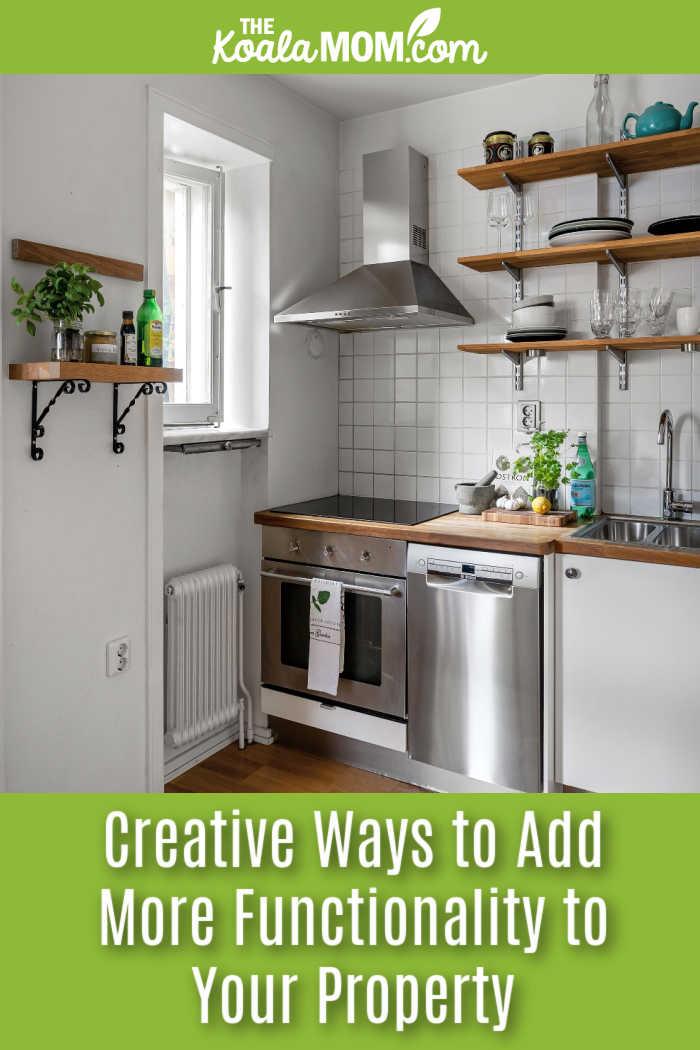
Turn Forgotten Corners Into Useful Spaces
In every home, some spaces seem to do nothing. These areas could be under the stairs, on a landing, in a long hall, or in a small alcove.
Give these areas a job.
A narrow space can become a home office with a wall-mounted desk. You can use the space beneath a staircase for storage with drawers or custom-designed shelving (this is on our to-do list!). A narrow shoe drawer can provide extra storage space in an entryway or hallway near the door. A window corner can be designed as a reading area and include a bench that doubles as storage.
Design around the missing functions in your home instead. This should lead to more functional choices.
Give the Garage More Than One Job
The garage – once the hub of home activities – can easily fall into a black hole for items in the home that have no specific place to call their own. (Our garage too often becomes the “dumping zone” for things we don’t want to deal with now, like all the camping gear after a trip or the leftovers from a renovation project.)
Creating zones changes that.
Wall racks can store bicycles and tools and ski gear, while overhead shelves can hold items such as seasonal decorations and the odd non-essential item. A well-organized, well-stocked set of cabinets can create a productive home workshop without overwhelming the garage. My garage is divided into two sections; the outer section has the sports gear which can be easily rolled out to use or load onto a vehicle. The inner garage has metal shelving with clear plastic storage bins for tools, camping gear, seasonal items, a pantry space, and more.
If you use your garage for hobbies, at-home fitness (like my neighbours), or DIY projects, add better lighting, improved ventilation, increased insulation, and access to power points.
Extend Everyday Living Outdoors
Use an existing patio or deck to create a functional space designed around what people will actually do there. Over the years, my patio has been a play space for my children, whether they are playing in a small sandbox or drawing chalk art there.
You can also create a patio or deck area for summer meals. You can put comfortable seating for quiet nights or add some shade for sunny days. Our dream is to transform a corner of our patio into an outdoor seating area with a gazebo and couches for either reading or visiting.
Additional features, such as lighting and storage, can make the most of a patio or deck after dark by keeping cushions, garden toys, and equipment close at hand without creating clutter. I particularly love having large items like couches or tables double as storage instead of just taking up space.
Any additional electrical outlets or equipment added to outdoor living spaces must be safe. For electrical safety information and a list of qualified electricians, homeowners can contact the Electrical Safety Foundation International (ESFI).
Divide the Backyard Into Purposeful Zones
A large lawn is not always the best use of your yard.
Instead of using your entire lawn for recreation, section off different parts of your yard for different activities, like gardening and playing. For example, you can set up a corner with raised beds for your vegetables and then move to the other side of the yard for play. You can set up a shaded area with seating, then leave another paved area for outdoor dining and cooking.
You don’t have to section off the different areas with walls and fences. Simply changing the plants, paving, furniture, and lighting is enough to create different areas within the yard.
This lets your yard serve multiple functions while still maintaining a unified look.
Add a Separate Multipurpose Structure
Don’t dismiss the possibility of extra space outside the main house.
A garden studio, detached workshop, or upgraded shed could provide space for remote work, hobbies, storage, or creative pursuits. Some people opt to convert a shed into a room rather than using up valuable space in a house by converting a bedroom or living area into a home office. My friend uses her garden shed as her writing studio, with twinkly lights for inspiration and a space heater for colder winter days.
Today’s home offices could be tomorrow’s art studios or hobby rooms, so think about future uses as well as current ones.
To get started, check local zoning, building permits, and other regulations, such as how far a detached building can be from the main house.
Hide Storage in Unexpected Places
More storage does not necessarily require more floor space. Look up and down.
For example, you can add storage under your bed with drawers or storage bins, as I’ve done for most of our beds. In your entryway, you can place a bench with storage space for shoes. In addition, window seats can include storage space for things such as blankets and out-of-season clothing.
Tall shelves make the most of a room’s height. They make the best use of space, allowing you to accommodate areas where it would be difficult to fit conventional-size furniture. To further reduce the appearance of clutter, you can install doors on most Ikea bookshelves. If you have small kids, this can also be a great way to keep them out of board games or other things on the shelves.
Storage should be easy to access so the room looks full rather than crowded.
Choose Rooms That Can Change Roles
A household’s needs are constantly changing. So rooms shouldn’t have a fixed purpose.
Depending on your needs, you can convert a guest room into a home office. The dining room can become a homework station. Sometimes a room can serve several functions; for example, a spare room can be a gym until relatives arrive to stay with you. My partner and I both work from desks in the corner of our master bedroom. When my mom comes to visit, we put curtains up over the shelves in the garage, install a lamp in the corner, and inflate an air mattress for her.
The right furniture can make a difference. Folding desks, modular shelving, temporary tables and room dividers, a sleeper sofa, a sofa bed, and other furniture can help you make the most of a room. That flexibility can also reduce the need for costly renovations when a room’s function changes.
Upgrade the Infrastructure You Use Every Day
Poor lighting above a kitchen counter, insufficient electrical outlets, or a poorly lit path to a backyard can make excellent spaces almost unusable.
Add task lighting, additional electrical outlets, motion-sensitive controls, and/or recharge stations where needed. For example, one of the first things I did when moving in was install a bar light over my kitchen sink. I like a well-lit space and that area of the kitchen was dark on winter nights. It was a small, easy upgrade that made a huge difference.
Energy-related home improvements not only add value to your home, but they can also make your home more comfortable. Energy Saver by the U.S. Department of Energy includes information on home improvements, including insulation, heating, cooling, and energy efficiency.
Take a moment to look around your home and think about where the annoyance or frustration is. Sometimes the frustration is so small you barely notice it (like me peeling potatoes in the shadows at the sink), but when you do, you can start brainstorming ways to solve that little problem. Just because it’s a little problem doesn’t mean it’s not worth spending a few minutes fixing it!
Make Your Existing Space Work Harder
Carefully consider what your house is worth before starting an extension or major refit.
Which spaces collect clutter? Which areas rarely get used? Where do everyday routines feel inconvenient? Those places often hold the greatest opportunities.
A corner of your home that currently houses junk can become a workstation, your underutilized backyard can become a space to host events and activities, and your clutter-filled garage can become a highly organized space that serves many purposes.
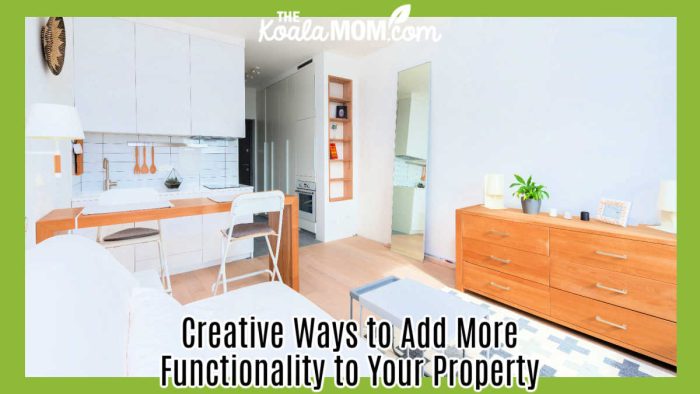
Adding functionality to a home is not about filling every available space with more rooms and using every nook and cranny. It’s about creating spaces you’ll use.
No Responses Yet