


Every parent hopes to raise a child who can adapt to challenges, stay curious, and approach learning with confidence. While academic success often gets the spotlight, research shows that resilience is just as important. Resilience is the ability to recover from setbacks, manage emotions, and keep trying.
The encouraging news is that resilience isn’t something children either have or don’t have. It develops over time through everyday experiences, supportive relationships, and healthy routines. Small, steady habits at home build strong foundations for children to learn and grow.
Create Predictable Daily Routines
Children thrive on consistency. Predictable routines reduce uncertainty. This helps young minds focus on learning, not worrying about what comes next.
Simple habits can build security. Eat breakfast together. Pack school bags the night before. Keep a regular bedtime routine. According to Harvard University’s Center on the Developing Child, stable, responsive environments help build healthy brain architecture during childhood.
Parents don’t need to schedule every minute of the day. Instead, aim for consistent anchors that children can rely on, particularly around mornings, mealtimes, homework, and bedtime.
Early in a family’s wellness journey, many parents look for help with their kids’ nutrition. They can learn about healthy routines. They may also consider products that support focus and well-being. Reputable sources such as fenixhealthscience.com provide science-based information that can help parents better understand the role nutrition may play as part of a balanced lifestyle, alongside healthy sleep, physical activity, and supportive parenting.
Prioritize Sleep as a Learning Tool
Sleep is one of the most overlooked ingredients in children’s learning.
During sleep, the brain strengthens newly formed memories, processes information, and prepares for the next day’s challenges. The American Academy of Sleep Medicine recommends The American Academy of Sleep Medicine says most school-age kids need 9 to 12 hours of sleep each night. Teenagers usually need 8 to 10 hours.
Good sleep habits often include:
- maintaining a consistent bedtime and wake time
- limiting screen exposure before bed
- creating a calm, predictable evening routine
- keeping bedrooms cool, quiet, and comfortable.
Well-rested children are often better equipped to concentrate, regulate emotions, and participate actively in learning.
Encourage Mistakes Instead of Perfection
Children who fear making mistakes may become reluctant learners. They can begin avoiding challenges simply because they’re worried about failing.
Psychologist Carol Dweck’s research on growth mindset shows that children benefit from knowing abilities can grow. They develop through effort, practice, and persistence.
Instead of praising only outcomes, parents can recognize the learning process itself:
- “You kept trying even when it was difficult.”
- “I noticed how you changed your strategy.”
- “That must have taken a lot of patience.”
These conversations teach children that mistakes are valuable opportunities to learn rather than signs they’ve failed.
Fuel Growing Brains with Balanced Nutrition
The brain requires a steady supply of nutrients to support normal growth and development throughout childhood.
Rather than focusing on individual “superfoods,” many nutrition experts recommend looking at overall dietary patterns. A balanced diet with fruits, vegetables, whole grains, lean proteins, healthy fats, and plenty of water supports health. It also provides nutrients that help the brain work normally.
Foods that regularly appear in healthy eating patterns include:
- oily fish that naturally contain omega-3 fatty acids
- eggs, which provide choline
- colorful berries and vegetables rich in antioxidants
- nuts and seeds where age-appropriate
- whole grains that provide steady energy throughout the day.
The World Health Organization emphasizes that healthy nutrition during childhood supports optimal growth, development, and lifelong well-being.
Make Reading a Shared Experience
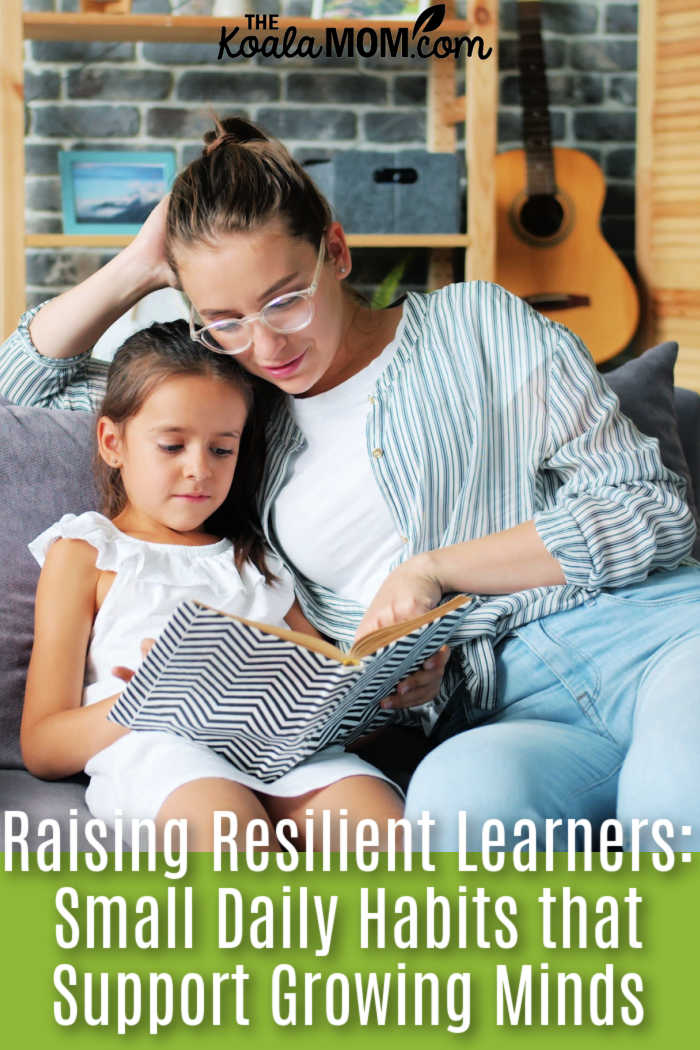
Reading together remains one of the simplest and most powerful ways to support learning. Shared reading helps develop vocabulary, comprehension, imagination, and communication skills while strengthening the parent-child relationship.
Children don’t always need formal lessons. Asking open-ended questions while reading together can encourage deeper thinking:
- “Why do you think that character made that choice?”
- “What do you think will happen next?”
- “Would you have done anything differently?”
These conversations encourage critical thinking while making reading enjoyable rather than something that feels like homework.
Build Emotional Vocabulary Every Day
Resilience isn’t just about solving problems. It’s also about understanding emotions. Children who can identify and express their feelings are often better prepared to manage frustration, disappointment, and conflict.
Parents can naturally build emotional awareness by naming feelings during everyday situations:
- “It looks like you’re feeling disappointed.”
- “That seemed frustrating.”
- “You look proud of yourself.”
Over time, children build a stronger emotional vocabulary. It helps them communicate better and seek support when needed.
Make Movement Part of Everyday Life
Physical activity benefits far more than muscles and bones. Research has shown that regular movement supports overall physical health while also benefiting mood, sleep quality, and cognitive performance.
Children don’t necessarily need organized sports every day. Walking the dog, riding bicycles, dancing in the kitchen, climbing at the playground, or playing active games together all contribute to healthy movement.
The World Health Organization recommends that children and adolescents accumulate an average of at least 60 minutes of moderate-to-vigorous physical activity each day.
Let Children Solve Small Problems
Parents naturally want to help, but solving every problem for children can unintentionally reduce opportunities to develop independence. Age-appropriate challenges help children practice decision-making and build confidence.
For example, instead of immediately offering solutions, parents might ask:
- “What ideas do you have?”
- “What could you try first?”
- “What worked last time?”
These conversations teach children that they are capable problem-solvers, even when situations feel difficult.
Model Curiosity Yourself
Children often learn more from what adults do than what adults say. Parents who demonstrate curiosity (trying new recipes, reading books, asking questions, learning new skills, or admitting they don’t know something) show that learning continues throughout life.
Children quickly recognize that learning isn’t simply something that happens at school. It’s an ongoing process that adults value, too.
As author and educator Rita Pierson famously said: “Every child deserves a champion—an adult who will never give up on them.”
Supportive relationships remain one of the strongest protective factors in helping children become resilient learners.
Conclusion
There is no single habit that creates confident, resilient learners overnight. Instead, resilience grows through hundreds of small moments repeated over time: consistent routines, healthy sleep, balanced nutrition, meaningful conversations, opportunities to solve problems, and adults who encourage effort rather than perfection.
Parents don’t need perfect systems or elaborate schedules to make a lasting difference. By focusing on simple, sustainable daily habits, families can help children build confidence, adaptability, and curiosity. These traits support learning inside and outside the classroom.
References
American Academy of Sleep Medicine. (2016). Recommended amount of sleep for pediatric populations: A consensus statement of the American Academy of Sleep Medicine. Journal of Clinical Sleep Medicine, 12(6), 785–786.
Center on the Developing Child at Harvard University. (n.d.). Brain architecture.
Dweck, C. S. (2006). Mindset: The new psychology of success. Random House.
Pierson, R. (2013, May). Every kid needs a champion [Video]. TED Conferences.
World Health Organization. (2020). WHO guidelines on physical activity and sedentary behaviour.
World Health Organization. (2020). Healthy diet.
No Responses Yet