


Weekend trips or even a quick overnight getaway take a little more planning once you have a baby. Along with diapers, extra outfits, and snacks, you’ll also want to think about how you’ll feed your little one while you’re away from home.
If you breastfeed and want to pump regularly (or even occasionally), a compact, wearable breast pump can make those outings much easier. Instead of carrying a bulky machine or searching for a private place to pump, many newer pumps fit comfortably inside your bra and slip easily into a diaper bag or purse. Pair your pump with a few simple accessories like storage bags, extra flanges, and a cleaning kit, and you’re ready for everything from family road trips to weekends at Grandma’s.
Whether you plan to pump every day or simply want a backup option, it’s worth thinking about your breast pump before your baby arrives. Taking a little time now to shop breast pumps, compare features, and decide what fits your lifestyle can save you from making a rushed decision during those sleep-deprived newborn weeks. Here’s what I’d recommend adding to your baby registry—and why it’s easier to plan ahead than scramble later.
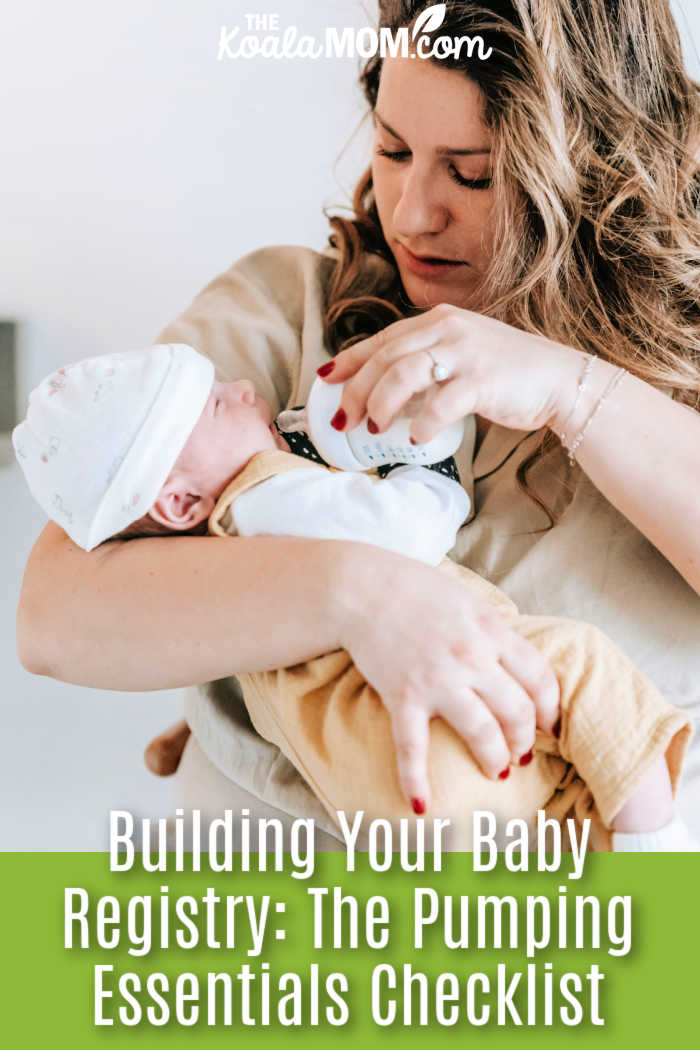
Why It’s Worth Choosing a Pump Before Baby Arrives
Most of us spend months picking out the perfect stroller or crib but don’t give much thought to a breast pump until we’re suddenly told we need one because we’re engorged or latching isn’t working or baby has special feeding needs. Having a pump ready before your baby is born gives you one less thing to worry about during those busy first weeks.
Babies Have Their Own Timetable
Babies don’t always stick to their due dates. My third daughter was due around the same time as one of her cousins. Her cousin arrived early, mine decided to stay cozy for another couple of weeks, and they ended up being born almost a month apart.
Whether your baby arrives early, late, or right on schedule, having your feeding supplies ready means you’re prepared if you need to express milk sooner than expected.
You’ll Appreciate Learning It Ahead of Time
I’ll be honest—figuring out how to assemble a breast pump isn’t something I would have wanted to tackle while recovering from birth and running on two hours of sleep.
Take a few minutes during pregnancy to unpack it, learn how the pieces fit together, and practice assembling and cleaning it. Even if you don’t use it immediately, you’ll be much more confident when the time comes.
Give Yourself Time to Research
Not every pump works equally well for every parent. If possible, ask friends, your local breastfeeding group, or the moms at church what they liked (and what they didn’t). Hearing real-life experiences can be just as valuable as reading product descriptions.
If your insurance covers a breast pump, ordering ahead also gives you plenty of time to complete the paperwork instead of trying to sort it out after your baby arrives.
More Than Just the Pump
When you’re building your baby registry, it’s easy to focus on the breast pump itself and forget about everything that goes with it. A few inexpensive accessories can make pumping much easier.
Extra flanges
One size definitely doesn’t fit everyone (just like one bra size doesn’t fit everyone). Using the correct flange size makes pumping more comfortable and can even improve milk output. Having an extra set is also handy when you don’t feel like washing parts after every session.
Storage bags and bottles
A good supply of milk storage bags or bottles means you won’t find yourself making an emergency store run with a newborn in tow. Look for leak-proof, BPA-free options that are easy to label with the date.
Cleaning supplies
Pump parts need regular cleaning, so a dedicated cleaning kit is something you’ll use far more often than you might expect. This is also a wonderful job to hand off to your partner. They may not be able to breastfeed the baby, but having clean bottles and pump parts ready to go is a practical way they can support you every day.
Helpful extras
Depending on your routine, you might also appreciate a hands-free pumping bra, a cooler bag for transporting milk, or replacement tubing to have on hand just in case.
Shopping Online Makes Comparing Pumps Easier
One thing I appreciate about shopping online is being able to compare several different pumps without driving from store to store.
You can read reviews from parents who’ve actually used them, compare features like battery life and noise level, and often find bundles that include accessories you’d probably end up buying anyway. If you’re considering a wearable model, shopping online also makes it easier to compare different brands side by side before making a decision.
When Should You Buy a Pump?
I think the second trimester is a great time to start researching pumps and adding one to your baby registry. It gives you time to compare options, process any insurance paperwork, and receive everything before those final weeks of pregnancy.
Once it arrives, don’t feel like you need to become an expert overnight. Simply unpack it, make sure all the pieces are there, and familiarize yourself with how it works. Future you will be thankful.
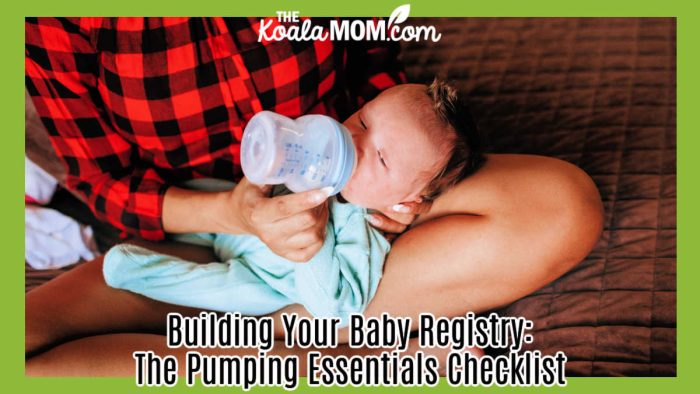
Every breastfeeding experience looks a little different. Some parents pump every day, while others only use a pump occasionally. Some moms stay at home with their newborn and pump just for the occasional date night while others return to work and need to maintain a breastfeeding routine during a busy work schedule.
No matter what your feeding journey ends up looking like, having a breast pump and a few key accessories ready ahead of time gives you more flexibility and one less thing to think about after your baby arrives.
As you build your baby registry, think beyond the pump itself. Extra flanges, storage bags, cleaning supplies, and a few practical accessories can make those early weeks much easier. Taking a little time to research your options now means you’ll be ready if and when you need them—and that’s one piece of baby prep you’ll probably be glad you checked off your list.
No Responses Yet