


Maintaining an organized home environment serves as a powerful antidote to the fast-paced nature of modern life. When every item possesses a defined purpose and a specific location, the mental load required to manage a household drops significantly.
Achieving such tranquility does not require expensive renovations or an overnight transformation. Small, intentional changes foster lasting habits that promote long-term serenity for every member of the household.
The Foundation Of Daily Order
Establishing a solid baseline of order begins with the surfaces we encounter most often. Kitchen counters, entryway tables, and nightstands act as magnets for clutter, pulling stray items into their gravitational orbit. Clearing these spaces regularly prevents visual noise from accumulating and affecting your mood.
Sorting through mail, keys, and incoming items immediately upon entering the house prevents the dreaded pile-up. Developing a landing zone near the door keeps essential items contained and ready for use, rather than scattered across the living area.
Dedicating a permanent home for every single object ensures that items never drift into unauthorized zones. When everything has a designated place, the time spent searching for misplaced essentials vanishes, allowing for a smoother start to every day.
Maximize Vertical Space
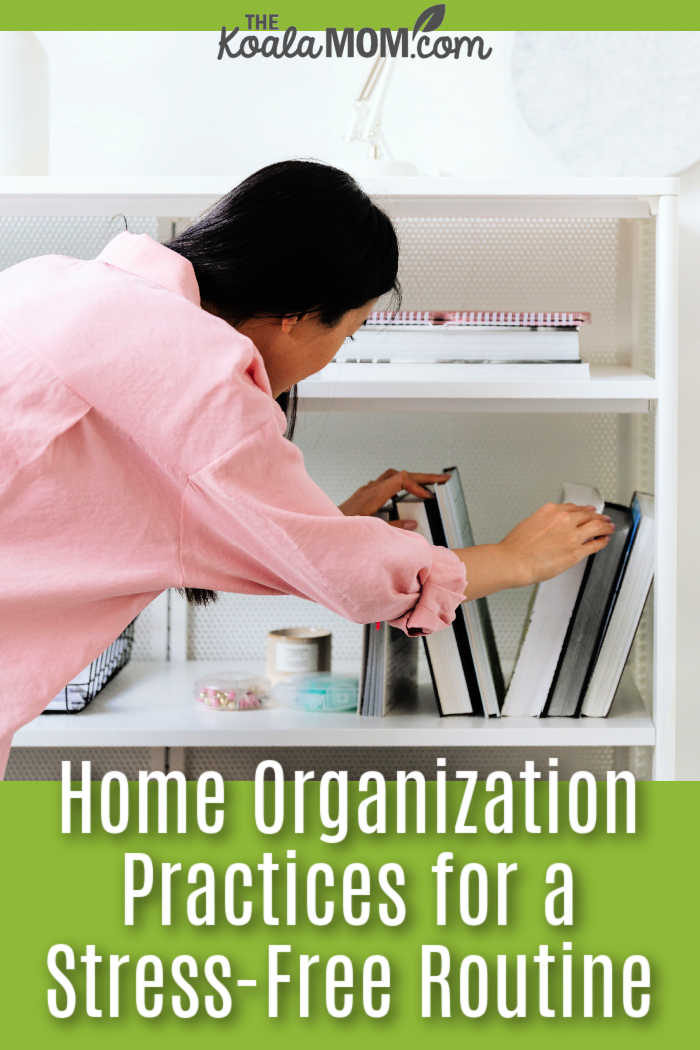
Walls offer untapped potential for storage that remains ignored in many floor plans. Shelving units elevate belongings off the floor, clearing pathways and making rooms feel significantly larger.
Vertical storage units can increase your usable floor space by 40 percent when implemented correctly. Relying on height rather than width helps protect your square footage while adding architectural interest to empty walls.
Using tall bookcases, wall-mounted racks, or floating shelves provides the necessary capacity to house books, decorative accents, and essential supplies. Embracing vertical storage clears the floor, creating an airy, open atmosphere that feels inherently calmer and more breathable.
Use External Storage Options
Sometimes, the home simply lacks the physical capacity to house every possession we own. Seasonal items, keepsakes, and large equipment can crowd living areas, leading to unnecessary frustration when space feels tight.
Living with excess clutter prevents us from fully enjoying our living rooms, bedrooms, and kitchens. Prioritizing the items used daily is essential for maintaining a sense of openness and flow throughout the residence.
For those in need of more breathing room, a professional service like a Mansfield storage facility offers a secure location for possessions that do not need to be accessed daily. Removing these items allows your primary living space to function as a sanctuary rather than a repository.
Maintain Consistency
Consistency always beats intensity when building sustainable organizational practices. Attempting to overhaul the entire house in a single weekend often results in burnout and a quick return to old, messy habits.
Fifteen minutes of tidying in the evening prevent the accumulation of large, unmanageable piles. Dedicating a brief period before bed to reset the house ensures that you wake up to a clean environment rather than a collection of yesterday’s problems.
Building these brief, rhythmic intervals into the nightly schedule ensures they become ingrained actions. The maintenance of the home becomes second nature rather than a burdensome chore that requires immense willpower to start.
Reduce Mental Clutter through Minimalism
Visual noise affects brain function, often contributing to a feeling of restlessness or anxiety. Clear lines, open spaces, and minimal decor make for a peaceful home that supports relaxation.
Keeping only what is necessary or brings genuine joy allows you to curate an environment that reflects your true values. Every object removed from the home represents a small victory in the battle against excessive stimulation.
Evaluate possessions regularly to ensure the home remains a place of comfort rather than a complex inventory to manage. Editing the environment serves as an ongoing process of refinement that keeps the space functional, beautiful, and deeply personal.
Create Sustainable Habits for Families
Involving everyone in the household transforms the organization from a solo burden into a shared community effort. Children learn valuable lessons about responsibility and ownership when they participate in the care of their shared living environment.
Make the process of putting items away fun, logical, and accessible for all ages. Labeling bins clearly ensures that even the youngest family members know exactly where toys, books, and supplies belong, removing ambiguity from the tidying process.
Shared goals create a unified environment where maintenance becomes a natural part of daily life. When every person contributes to the upkeep, the home thrives, and the collective stress levels associated with managing the space decrease substantially.
The journey toward a peaceful home is a marathon, not a sprint. It requires patience, grace, and small, deliberate actions rather than sudden, overwhelming overhauls of your lifestyle.
This transformation requires time to manifest, but the benefits for your mental well-being are immeasurable. Enjoy the renewed sense of calm and clarity that naturally follows an organized living space.
No Responses Yet