


Choosing the right bedding for your child can feel surprisingly complicated. Between changing safety recommendations, evolving sleep habits, and endless product options, many parents wonder what their child actually needs at each stage. The truth is that bedding requirements change dramatically from infancy through the school-age years, and creating the right sleep environment can have a major impact on the entire family’s sleep quality.
This age-by-age bedding guide combines expert-backed safety recommendations with practical sleep-transition strategies to help you create a comfortable, secure, and developmentally appropriate sleep space from babyhood through childhood.
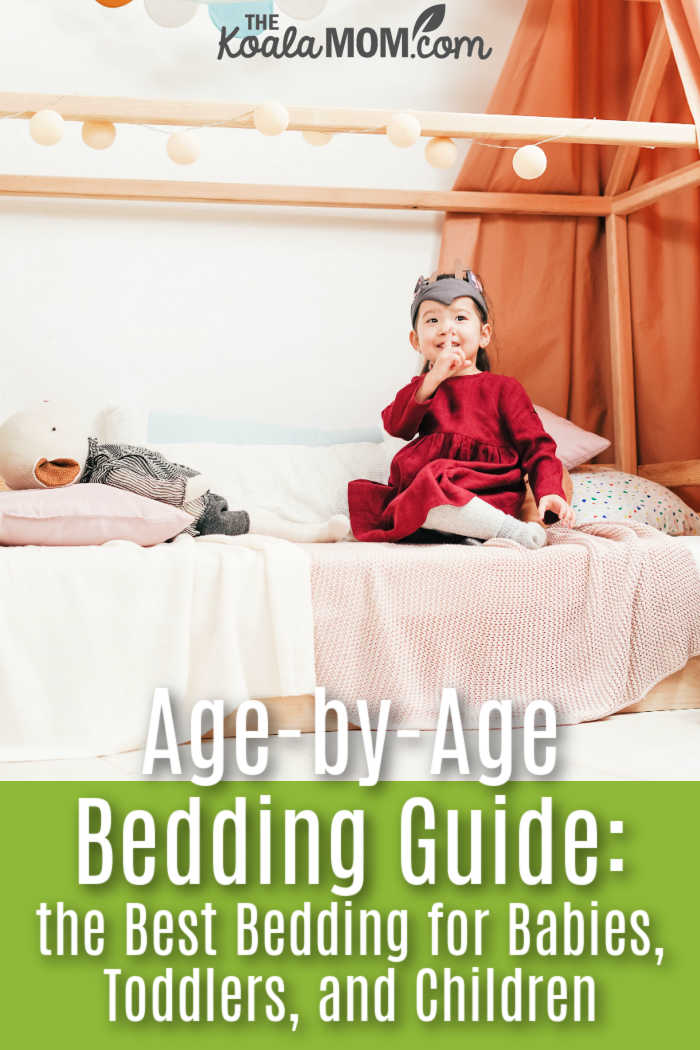
Why the Right Sleep Environment Matters
A well-designed sleep environment supports healthy sleep hygiene, encourages longer sleep duration, and helps children feel secure at bedtime. While bedding plays a central role, successful sleep also depends on consistent routines and emotional readiness.
For toddlers, many sleep experts recommend the “10-10-10 Rule,” which involves spending three intentional 10-minute blocks of connection before bedtime. This focused attention can reduce bedtime resistance and make independent sleep easier. When paired with a comfortable bed, breathable bedding, and a predictable routine, children are often better prepared to settle themselves to sleep.
Temperature regulation is equally important. Overheating can disrupt sleep cycles, while soft, breathable fabrics help children stay comfortable throughout the night.
Baby Bedding (0–18 Months): Prioritizing Bare-Is-Best Safety
When it comes to infant sleep, simplicity is safest. The American Academy of Pediatrics recommends a firm mattress covered only by a snug-fitting fitted sheet. Loose blankets, crib bumpers, pillows, stuffed animals, and other soft items should stay out of the crib.
This “bare-is-best” approach helps reduce sleep-related risks while creating a safe sleeping environment for babies.
Parents should focus on breathable, temperature-regulating materials that fit securely around the mattress. A high-quality, breathable crib sheet from Crane Baby can provide a comfortable foundation while maintaining safe sleep standards.
Instead of traditional blankets, choose wearable blankets or sleep sacks designed specifically for infants. These alternatives provide warmth without introducing loose bedding into the sleep space.
Key priorities for baby bedding include:
- Firm crib mattress
- Snug-fitted sheet
- Breathable fabrics
- Wearable blanket or sleep sack
- No loose bedding or soft accessories
When and How to Transition to a Toddler Bed
One of the most common parenting questions is: Should a 2.5-year-old still be in a crib?
In many cases, yes. If your child is not climbing out, has not exceeded the manufacturer’s height recommendations, and continues sleeping comfortably, there is often no rush to transition. Many children remain safely in a crib until closer to age three.
Signs your child may be ready for a toddler bed include:
- Climbing out of the crib.
- Outgrowing crib height limits.
- Requesting a “big kid” bed.
- Demonstrating increased self-control and understanding of boundaries.
To make the transition smoother:
- Let your child help choose new bedding.
- Use an OK-to-Wake clock to reinforce sleep expectations.
- Maintain familiar bedtime routines.
- Introduce a Bedtime Pass that allows one approved trip out of bed for common requests, such as water or a hug.
These strategies help children adjust to their new sleep environment while preserving healthy bedtime habits.
Toddler Bedding (18 Months–3 Years): Introducing Comfort
Parents frequently ask, What kind of bedding should a 2-year-old have?
The best and safest bedding setup for a 2-year-old should include:
- tightly fitted sheet
- lightweight, breathable blanket
- low-profile toddler pillow
- firm crib or toddler mattress
At this stage, children can typically begin using a light blanket made from breathable materials such as cotton muslin. A toddler pillow measuring approximately 2–3 inches thick may also be appropriate, helping provide comfort without excessive neck elevation.
Avoid:
- heavy adult comforters
- bulky duvets
- full-sized adult pillows
- excessively thick bedding layers
Most toddler beds continue using a standard crib mattress, which measures approximately 28 x 52 inches, making the transition relatively simple and cost-effective.
Big Kid Bedding (Preschool & Up): Layering for Coziness
As children enter preschool and elementary school, bedding becomes less about strict safety concerns and more about comfort, durability, and self-expression.
Parents often wonder: What goes first in a bed?
Follow this simple layering order:
- Mattress protector or mattress pad
- Fitted sheet
- Flat sheet
- Lightweight quilt or blanket
- Comforter or duvet
- Sleeping pillows
- Decorative accents or throws
As children move into twin or full-size beds, they often enjoy participating in design decisions. Favorite colors, themes, characters, or patterns can make bedtime more appealing and encourage a sense of ownership over their sleep space.
Because older children spend more time reading, relaxing, and playing in bed, durability becomes increasingly important when selecting bedding materials.
For added comfort during cozy evenings and slow weekend mornings, many families appreciate soft layering pieces, such as Saranoni blankets and robes, that provide warmth beyond bedtime.
Choosing the Best Bedding Fabrics for Kids
Fabric choice directly impacts comfort, breathability, and temperature regulation.
Organic Cotton Percale
Ideal for children who sleep hot. Its crisp, lightweight weave promotes airflow, creating a cool sleeping surface.
Organic Washed Cotton and Jersey
Soft, relaxed, and comfortable from day one. Jersey bedding feels similar to a favorite t-shirt and works well for children who prefer a cozy texture.
Cotton, Muslin, and Gauze
Exceptionally breathable and lightweight. These fabrics work well year-round and are excellent for layering.
Fabrics to Limit
Standard polyester and other synthetic-heavy fabrics can trap heat and moisture, potentially leading to discomfort during sleep.
Maintenance, Care, and Safety Certifications
Children’s bedding should be easy to clean and durable enough to withstand frequent washing. Look for machine-washable fabrics and avoid products that require dry cleaning whenever possible.
For everyday maintenance:
- Wash sheets weekly.
- Use mild, hypoallergenic detergents.
- Wash muslin and gauze fabrics in cool or warm water.
- Tumble dry on low heat to reduce shrinkage and preserve softness.
Parents should also pay attention to safety certifications.
OEKO-TEX Standard 100
This certification verifies that textiles have been tested for harmful substances and meet strict safety standards.
GOTS (Global Organic Textile Standard)
GOTS certification ensures organic fiber content and evaluates environmental and social criteria throughout the production process. These certifications provide additional confidence that bedding products are suitable for sensitive skin and everyday use.

The best bedding for children evolves as they grow. Babies need a simple, safety-focused sleep space. Toddlers benefit from carefully introduced comfort items and thoughtful transition strategies. Older children thrive with layered bedding that reflects their personality while supporting restful sleep.
By combining age-appropriate bedding choices with healthy sleep habits, parents can create a sleep environment that encourages comfort, independence, and better rest for years to come.
No Responses Yet