
Dental emergencies don’t follow schedules. They show up late at night, on weekends, or right before an important day. For families, knowing when to seek a 24-hour emergency dentist can make the difference between quick relief and long-term oral health problems. Some issues can wait for a regular appointment, but others need immediate attention to stop pain, prevent infection, or save a tooth.
Understanding what qualifies as a true emergency helps families act quickly and confidently. Dental emergencies happen abruptly, and delaying care often leads to more complicated treatment later. A 24-hour provider exists for one reason: to handle urgent problems when waiting for your regular dentist or dental specialist isn’t an option.
Below are the most common situations where waiting isn’t advisable, and immediate dental care is necessary to protect oral health and prevent further damage.
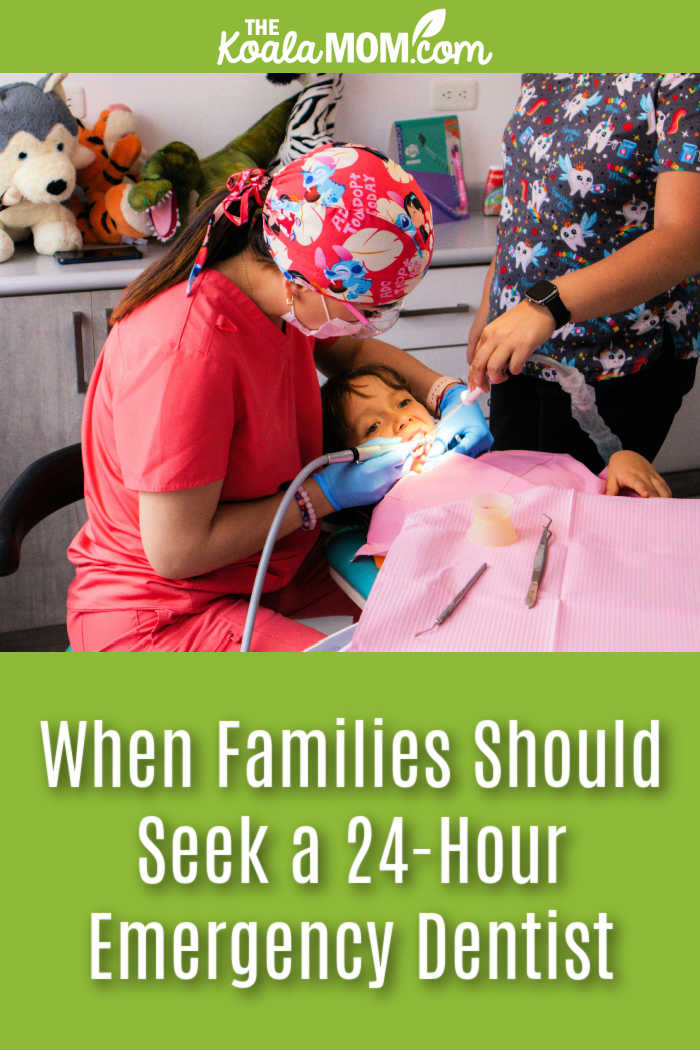
Severe Tooth Pain that Won’t Ease Up
Dental pain that lingers or intensifies usually signals an underlying problem. Sharp, throbbing, or radiating pain may point to a dental infection, nerve damage, or an abscessed tooth. Over-the-counter pain relievers might dull the discomfort temporarily, but they don’t treat the cause.
If tooth pain keeps someone awake, interferes with eating, or spreads to the jaw or ear, emergency dental care is needed. An emergency dentist can diagnose the issue and provide proper toothache relief through targeted treatment.
Swelling, Infection, or Signs of an Abscess
Swollen gums, facial swelling, or a pimple-like bump along the gum line can signal a dental abscess. Infections like this don’t resolve on their own and can spread quickly if care is delayed. Fever, a bad taste in the mouth, or increasing pressure are signs that urgent treatment is needed.
When an infection is involved, proximity matters. Families benefit from having an emergency provider nearby, especially when swelling worsens or pain escalates outside regular hours. So, if, for instance, you’re in Plainfield, Illinois or nearby cities, choosing a local Plainfield dentist makes it easier to get fast, same-day attention without long travel times, which can be critical when an infection is actively progressing.
Early intervention often limits the extent of treatment and helps prevent complications that affect surrounding teeth and tissue. It’s a good idea to know your own dentist’s hours and where you can go nearby for emergency care when your dental clinic is closed.
Knocked-Out or Loose Teeth After Injury
Dental trauma from sports, falls, or accidents is common among children and teens, but adults aren’t immune. A knocked-out permanent tooth requires immediate action. The tooth should be handled by the crown only, kept moist, and brought to an emergency dentist right away. Quick care increases the chance of saving the tooth.
Loose teeth or teeth pushed out of position also qualify as dental emergencies. These injuries often need stabilization, digital X-rays, and careful monitoring. Waiting can result in permanent damage or tooth loss.
Cracked, Broken, or Chipped Teeth with Pain
Not every chipped tooth needs emergency care, but cracks that cause pain or expose the inner tooth layers do. A cracked tooth can worsen with chewing and temperature changes. Left untreated, it may lead to infection or require tooth extraction.
Emergency dentistry focuses on stabilizing the tooth and relieving pain. Depending on the damage, treatment may involve a temporary filling, a dental crown, or restorative dental treatments that protect the tooth structure.
Uncontrolled Bleeding or Soft Tissue Injuries
Bleeding that doesn’t stop after 10 minutes of pressure needs urgent attention. This applies to injuries involving the lips, tongue, cheeks, or gums. Soft tissue injuries can become infected without proper care and infection control.
A 24-hour emergency dentist can clean the area, assess the damage, and provide stitches if needed. Families should seek help right away if bleeding is heavy or follows dental trauma.
Jaw Pain, Swelling, or Difficulty Opening the Mouth
Swollen jaw issues and jaw pain may signal infection, impacted teeth, or injury. Difficulty opening the mouth can interfere with eating and speaking. These symptoms shouldn’t be ignored, especially if swelling increases or pain spreads.
An emergency dentist can evaluate the jaw, take digital X-rays, and determine whether urgent treatment is needed. In some cases, wisdom teeth removal or other restorative work may be required to resolve the issue.
Broken Crowns, Fillings, or Dentures Causing Pain
Lost fillings, broken crowns, or broken dentures don’t always seem urgent, but they can expose sensitive areas and cause significant discomfort. Sharp edges may injure the mouth, and exposed teeth are more vulnerable to decay and infection.
Emergency dental services can replace lost fillings, smooth rough surfaces, or secure temporary restorations until permanent repairs are completed. This prevents further damage and restores basic function.
Dental Distress in Children
Children often struggle to explain dental distress clearly. Crying during meals, avoiding chewing, or touching the face repeatedly can signal a problem. Dental emergencies in children can escalate quickly due to developing teeth and smaller anatomy.
Emergency appointments help address pain early and prevent long-term complications. Pediatric-focused emergency dental care also helps children feel safer during stressful situations or when experiencing dental anxiety.


Knowing when to seek a 24-hour emergency dentist protects both comfort and long-term oral health. Severe pain, swelling, trauma, and signs of infection shouldn’t wait for regular office hours. Quick action helps prevent complications and saves teeth. Families who understand dental emergencies and respond promptly are better equipped to handle unexpected situations with confidence and less stress.
No Responses Yet