


As your due date gets closer, it’s normal to feel a mix of excitement and nerves. You’re looking forward to being done with pregnancy, but you may also wonder whether you have everything you need to care for your new baby.
It’s tempting to browse baby stores and online shops, adding every cute outfit and toy to your cart. But before you know it, you could end up with a pile of things your baby doesn’t need (and overspend your budget!). The good news is that you don’t need to buy everything before your baby arrives. Start with the basics, and you can always pick up other things as you discover what works for your family.
Here’s a checklist of essentials to help you get ready for those first few days of parenthood.

This post contains affiliate links; as an Amazon associate, I earn from qualifying purchases.
Nursery Essentials
It’s easy to get caught up in decorating a nursery, but you don’t need a picture-perfect room before your baby arrives. Focus on a few practical essentials that will make life easier for both you and your little one.
- Crib: Your baby needs a safe place to sleep. A convertible crib that later transforms into a toddler bed can be a good investment, since you’ll be able to use it for several years rather than buying a new bed as your child grows.
- Crib mattress: Choose a firm, flat mattress that fits snugly in the crib and is designed for infant sleep. If you’re not sure which mattress to choose, Mommyhood 101 has recommendations to help you compare your options.
- Night light: You’ll appreciate having a little light for those middle-of-the-night feedings and diaper changes. A dim light lets you see what you’re doing without turning on bright overhead lights and fully waking yourself (or your baby) up.
- Rocking chair: A comfortable chair can be a lifesaver during late-night feedings, lullabies, and cuddles. A rocking chair or glider offers a gentle motion that may help soothe your baby. Take some time to try out different rocking chairs before choosing one. You’ll be spending plenty of time sitting with your baby, so your own comfort matters too.
Diapering Essentials
Get ready for lots of diaper changes! They’re a big part of life with a newborn, and having your supplies close at hand makes the job a little easier.
A changing table can be handy, but it isn’t a must-have, especially if you’re short on space. I had one for my first three babies, but by the time my last two came along, I’d switched to a system a friend had shown me years earlier. I kept all the diapering supplies in a basket (or the bottom drawer of a dresser), spread a changing pad on the floor, and changed the baby there.
This setup saved space and meant I didn’t have to worry about the baby rolling off a raised changing table. Wherever you change your baby, keep a hand on them and have everything you need within reach.
A changing pad gives your baby a softer, easier-to-clean surface. Many are foldable or roll up for storage, making them a practical choice for smaller homes. You can tuck one under a bed or couch when it’s not in use and pull it out when you need it.
You’ll also need somewhere to put all those dirty diapers. A Diaper Genie or similar diaper pail can help contain unpleasant smells. You might be surprised by just how stinky a poopy diaper can get! These pails come in different sizes and styles, so you can choose one that fits your space and budget. A regular garbage can with a lid is another option.
And, of course, you’ll need plenty of diapers. Newborns can go through 70 or more diapers a week, and some use even more. My first baby absolutely hated being wet, so we sometimes went through close to 100 diapers in a week! We had to ask our cloth diaper service to send us extras because we changed her so frequently.
Since you won’t know exactly how quickly your baby will grow or which diaper size will fit best, it’s a good idea to start with a smaller package or two rather than stocking up on newborn diapers. You can always buy more once you know what your baby needs.
Baby Clothes
Shopping for baby clothes is one of the fun parts of preparing for a new arrival. Those tiny outfits are hard to resist! But babies grow quickly, so try not to buy too much in any one size. A baby size chart can help you get an idea of what sizes to look for, although every baby grows at their own pace.
For the first few weeks, focus on comfortable basics. You’ll want several sleepers or pajamas, along with some undershirts and simple one-piece outfits. Sleep sacks can also be useful, as long as you choose one that fits your baby properly and is appropriate for their age and the room temperature.
A few other items are worth having on hand, too:
- Hats: Depending on the weather and your baby’s needs, a hat may help keep them warm when you’re outdoors. Follow safe-sleep guidance and avoid hats during indoor sleep.
- Mittens: Some parents find baby mittens helpful for preventing scratches, although keeping your baby’s nails trimmed is another option.
- Socks: A few pairs of socks can help keep little feet warm, especially in cooler weather. A classic baby socks collection is one option if you’re looking for something cute and practical.

It’s worth thinking about clothing and other baby gear before your little one arrives, but you don’t need to fill the nursery with everything you might possibly use. Start with the basics, see what your baby likes, and add more as you go. You’ll save money, avoid clutter, and have a better idea of what your family actually needs.
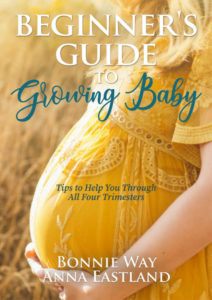
Looking for more pregnancy and baby advice? Check out Beginner’s Guide to Growing Baby: Tips to Help You Through All Four Trimesters, a book about pregnancy, birth, and your baby’s first three months.
My good friend Anna Eastland (a mom of nine!) and I wrote Beginner’s Guide to Growing Baby to share an honest, practical look at pregnancy and life with a newborn. Between us, we’ve grown, birthed, and loved thirteen babies, and we share what we’ve learned along the way.
Beginner’s Guide to Growing Baby is available on Amazon.
No Responses Yet