


The transition occurs quickly when an elderly family member moves in. One day, the house runs on school schedules and work calls; the next, it needs to support someone who moves more carefully and notices things others breeze past.
Families who trade real-life parenting experiences and home advice often talk about adapting on the fly, and this is one of those moments. Welcoming Grandma means making sure the home feels steady, respectful, and easy to navigate, not restrictive or clinical. A practical safety audit, done room by room, helps everyone relax into the change instead of bracing for it.
Stairs and entryways first: setting the tone
The front of the house quietly decides how confident Grandma feels coming and going. Your entire day could be disrupted by a single misstep on a broken stair. Rough spots matter, so pay attention to how the railings feel in your hands. Light matters too, especially when buildings obscure the sun. Think about grip underfoot. Smooth concrete tricks you until it doesn’t. Shoes piled near the door? They wait like traps for tired feet. A mat that slides is worse than none at all. Clear space makes room for calm. Brightness should reach the corners, not just the center.
When stairs become tricky, getting around the house changes. California Mobility’s stair lifts could be just what Grandma needs. These fit well where steps twist or rise sharply. Split-levels often hide corners hard to climb. Knees stiffen with time. Going up slowly beats struggling each day.
Minor fixes that make a big difference everywhere
Most people ignore lighting, even though it’s among the simplest fixes. Hallways and tight spaces benefit from better lighting. Clearer vision means quicker responses. When darkness falls, lights that turn on by themselves beat the jolt of sudden bright ceilings. It’s a small change, yet it shifts how spaces feel more welcoming.
Take a slow walk through the house and look down. Loose rugs, curled edges, cords, and uneven flooring transitions cause most falls. Securing or removing them takes minutes and can prevent months of recovery. Decluttering does not require stripping the house of personality. The goal is to keep the meaningful items and remove anything that could cause someone to fall.
Living room and family spaces: comfort without obstacles
Family rooms invite lingering, so they need to support safe movement. Chairs with arms and firmer cushions make standing easier. Very low sofas may look stylish, but they challenge joints and balance. Rearrange furniture so walkways stay wide and predictable.
Electronics bring hidden trouble. Cables lying on the ground and controllers left on furniture can cause accidents. You can avoid these dangers by placing a bin nearby. It might also help to use small racks to keep gadgets organized.
Pest infestations can bring greater health risks for seniors. Since bugs and rodents favor quiet areas like storage rooms and food pantries, early attention makes a real difference. Handling the issue early helps reduce infection or respiratory concerns and points households toward the ultimate pest control solution that keeps the home comfortable and safe. Finding the ultimate pest control solution early helps keep homes safe from unwanted visitors.
Kitchen: keeping independence intact
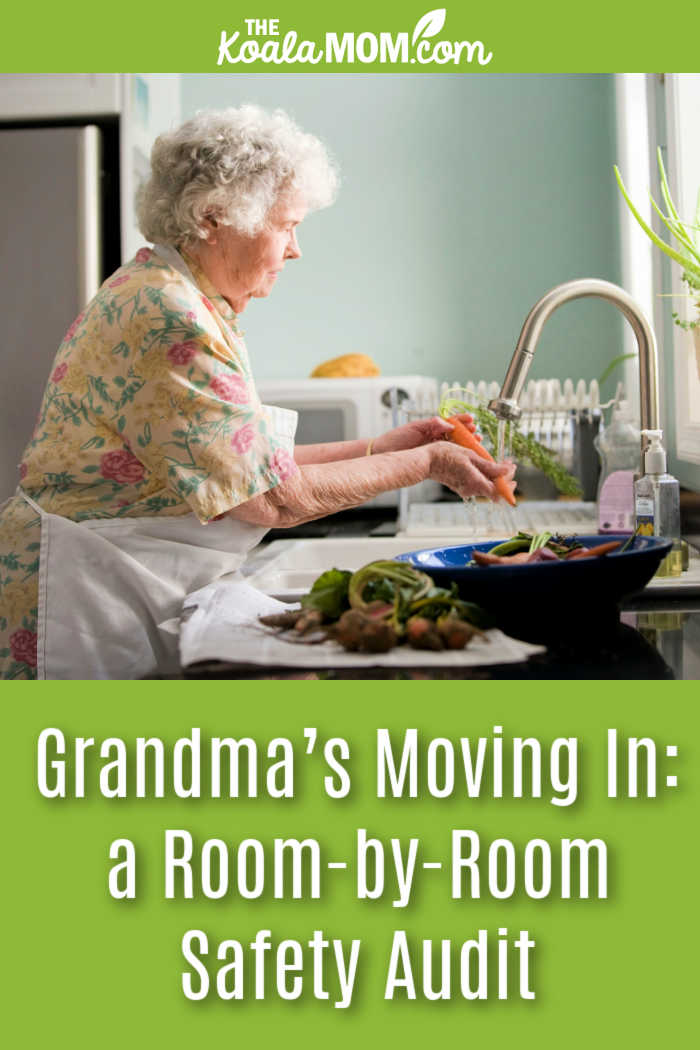
The kitchen often holds strong opinions and decades of habit. Reachable spots work best for things you grab often because there’s less climbing and less stretching. Spills happen fast in the kitchen, and non-slip mats by sinks keep water where it lands.
Good lighting over counters and stoves reduces mistakes. When lighting dimmers, bold labels on cutting boards help older eyes see clearly. Use pan handles that face the center of the stove. Select kettles that shut off on their own. Keep heat-resistant gloves close at hand. These easy steps fit into daily routines and lower the risk of burns.
Bathroom: where prevention matters most
Few people consider how often accidents occur in bathrooms. Near the toilet, grab bars give steady help when needed. Inside the shower, they offer balance. Tired legs find relief with a non-slip mat underfoot. Sitting while washing eases strain with a simple chair. Water direction is easier with a handheld nozzle than with fixed ones.
Nighttime trips deserve extra care. Soft lighting between the bedroom and bathroom prevents disorientation without ruining sleep. Minor upgrades here protect privacy and independence.
Bedroom: calmer mornings start here
The bedroom should support both rest and independence. The right mattress supports safe movement and comfortable mornings. Stumbles at night are less likely when there is a clear route to the restroom. Keep necessities like a phone or glasses by the bed. Always have a drink of water on hand. To ensure that nothing ends up on the floor, keep the setup basic.
Most closets work better after some changes. Reducing discomfort can be achieved by adding accessible shelves and lowered rods. Add firm seating for dressing.
Emergency plans should reassure older people. Often, a nearby charged phone is sufficient.
Laundry, garage, and other forgotten areas
Laundry rooms test balance and strength. Rolling bins and top-fill units help reduce physical effort. Sheds and utility corners can hide sloping surfaces and leftover supplies that need to be secured.
Heat affects older adults more than many realize. Good ventilation is essential for comfort when temperatures rise. Opening windows to let in fresh air might aid in the natural cooling process. Even if they seem fine, warmth sneaks up quietly.
A quick health and mobility check
When Grandma is able to freely discuss changes in her eyesight, balance issues, hearing, or medications, safety planning gets better. Mobility devices, such as walkers or canes, facilitate easier mobility and reduce clutter when kept in a single location.
Maintain open communication with Grandma as well as her other care providers about her health and needs. Be prepared to adjust as her health or mobility changes. This may require getting other supports, such as an in-home nurse or respite care at times, or asking other family members for help as well.
A few households opt for an expert evaluation of their homes. Others spot changes by observing daily routines more closely.
A home that supports everyone
Fixing up the place for Grandma isn’t about control. It’s clearing small hurdles that turn regular days into tough ones. Once the space works with her rhythm and ease, telling her to take it easy becomes less necessary. What remains is shared space, shared routines, and the quiet relief of knowing the house works for everyone under its roof.
No Responses Yet